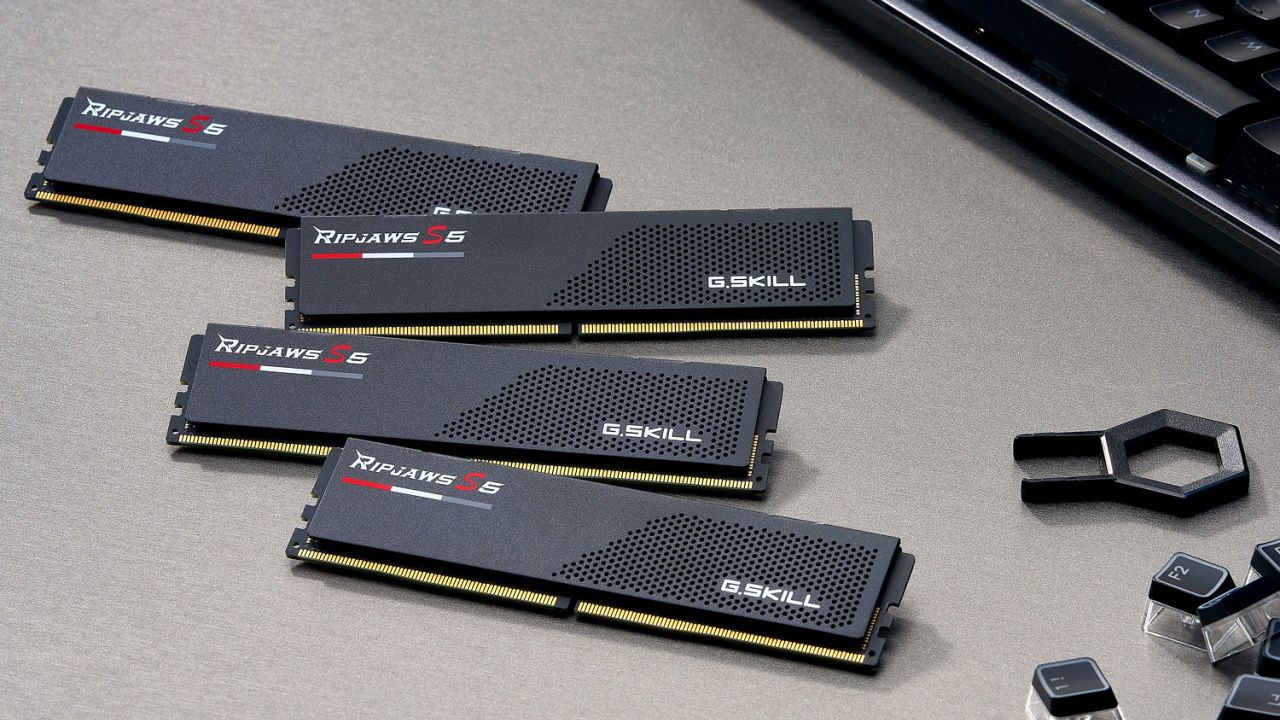
A Decade of Scarcity? AI’s Insatiable Appetite Threatens SSD and RAM Price Surge
The digital landscape is undergoing a seismic shift, driven by the explosive growth of Artificial Intelligence (AI). As AI models become increasingly sophisticated and data-intensive, the demand for computing hardware, particularly Solid State Drives (SSDs) and Random Access Memory (RAM), is skyrocketing. This unprecedented demand, coupled with existing supply chain complexities, is leading us to predict a potential decade-long pricing apocalypse for these essential components. At Gaming News, we delve into the intricate factors fueling this impending hardware crunch and explore what it could mean for consumers and the broader tech industry.
The AI Data Center Revolution: A Hardware Hunger Game
The primary catalyst behind this projected price surge is the insatiable hunger of AI data centers. Modern AI, especially the large language models (LLMs) and sophisticated machine learning algorithms that are rapidly transforming industries, require colossal amounts of data to train and operate. This data needs to be stored, accessed, and processed at incredible speeds, placing immense pressure on the underlying storage and memory infrastructure.
Training AI: The Memory and Storage Bottleneck
Consider the process of training a large AI model. It involves feeding massive datasets through complex neural networks, a process that is inherently iterative and computationally intensive. During training, the model constantly needs to access and update its parameters, which reside in memory and are often loaded from storage.
- Data Sets of Unfathomable Size: AI models are trained on datasets that can range from petabytes to exabytes of information. This includes text, images, videos, and sensor data. Storing and managing these vast archives necessitates a significant increase in high-capacity SSD storage.
- In-Memory Computing: To accelerate the training process, researchers and engineers are increasingly leveraging in-memory computing techniques. This involves loading as much of the model’s parameters and intermediate data as possible directly into high-speed RAM. The more RAM available, the less time the system spends waiting for data to be fetched from slower storage devices. This directly translates to more computational power being utilized, thus speeding up the training cycles.
- Rapid Data Access for Inference: Beyond training, the deployment of AI models for inference – the process of using a trained model to make predictions or generate outputs – also demands rapid data access. Whether it’s a chatbot generating responses, an autonomous vehicle processing sensor data, or a recommendation engine suggesting products, the speed at which data can be retrieved from SSDs and loaded into RAM directly impacts the performance and responsiveness of these AI applications.
The sheer scale of these operations means that a single AI training cluster can require tens of thousands of high-performance SSDs and hundreds of terabytes, if not petabytes, of high-density RAM. When multiplied across the countless AI projects underway globally, the demand becomes staggering.
The Shifting Sands of Semiconductor Manufacturing
The semiconductor industry, responsible for producing SSDs and RAM, is a complex global ecosystem characterized by long lead times, significant capital investment, and susceptibility to geopolitical factors. This inherent fragility is exacerbated by the current AI-driven demand.
Limited Manufacturing Capacity: A Bottleneck Years in the Making
The production of advanced SSDs and RAM involves highly specialized fabrication plants (fabs) and intricate manufacturing processes. Expanding this capacity is not a quick fix.
- Gigafabs Require Years and Billions: Building a new semiconductor fab, particularly one capable of producing cutting-edge NAND flash for SSDs or DRAM for RAM, can take three to five years and cost tens of billions of dollars. These facilities require extremely clean environments, specialized machinery, and a highly skilled workforce.
- Prioritization Shifts: As AI hardware demand escalates, semiconductor manufacturers are increasingly prioritizing production lines and resources for components that directly serve AI data centers. This includes high-bandwidth memory (HBM), which is often found in AI accelerator chips, and the associated advanced SSDs and DRAM modules. This prioritization inevitably means fewer resources are available for consumer-grade components.
- Supply Chain Dependencies: The global semiconductor supply chain is a complex web of dependencies, from raw material extraction to the manufacturing of specialized equipment. Disruptions at any point in this chain, whether due to natural disasters, trade disputes, or pandemics, can have ripple effects that limit the output of SSDs and RAM.
The Rise of AI-Specific Memory and Storage Solutions
The demands of AI are not just about raw capacity; they are also about speed and efficiency. This is driving the development of specialized memory and storage technologies that command premium prices.
- High-Bandwidth Memory (HBM): HBM is a type of RAM designed to provide much higher bandwidth than traditional DRAM. It stacks multiple DRAM dies vertically and connects them with through-silicon vias (TSVs), allowing for significantly faster data transfer. HBM is a critical component in AI accelerators like NVIDIA’s GPUs and is in extremely high demand. The specialized nature and complex manufacturing of HBM contribute to its higher cost.
- NVMe SSDs and Beyond: NVMe (Non-Volatile Memory Express) is a protocol designed specifically for accessing SSDs over a PCIe interface, offering significantly lower latency and higher throughput compared to older SATA interfaces. As AI workloads demand faster data access, the adoption of high-performance NVMe SSDs is accelerating. Furthermore, newer storage technologies are emerging that promise even greater performance for AI applications, which will likely come with a higher price tag.
- Computational Storage: Emerging technologies like computational storage are beginning to integrate processing capabilities directly into storage devices. This allows certain AI tasks, such as data pre-processing or filtering, to be performed closer to the data itself, reducing the need to transfer massive datasets to separate compute units. While promising for efficiency, these advanced solutions are currently expensive to develop and manufacture.
The Graphics Card Parallel: A Cautionary Tale
Many in the tech industry are drawing parallels between the current situation and the graphics card (GPU) shortage that plagued the gaming community for years. While the underlying drivers differ, the outcome of constrained supply and soaring demand can be remarkably similar.
From Gaming to AI: The GPU’s Dual Role
Graphics cards, once primarily associated with gaming, have become indispensable for AI development and deployment. Their parallel processing capabilities, embodied in thousands of cores, are perfectly suited for the matrix multiplications and complex calculations required by neural networks.
- AI Training and Inference on GPUs: The vast majority of AI training and inference tasks are performed on GPUs. This dual-use nature means that the demand for GPUs from both the gaming sector and the burgeoning AI industry creates a significant conflict.
- Cryptocurrency Mining’s Impact: While the direct impact of cryptocurrency mining on GPU prices has lessened, the infrastructure and manufacturing capacity built to satisfy that demand indirectly influenced the market. The AI boom, however, represents a more sustained and fundamental demand driver.
- Limited GPU Supply: Similar to SSDs and RAM, the manufacturing of high-end GPUs is concentrated among a few companies and relies on complex supply chains. When demand outstrips supply, prices inevitably climb.
The lessons learned from the GPU shortage – the frustration of consumers unable to purchase essential hardware at reasonable prices, the rise of scalpers, and the innovation in alternative solutions – are highly relevant as we face a similar challenge with SSDs and RAM.
Consumer Impact: What Does This Mean for You?
The projected surge in SSD and RAM prices will have far-reaching consequences, extending beyond the data centers and impacting everyday consumers and businesses.
The Gaming Community: A Stunted Upgrade Path
For gamers, SSDs and RAM are not just optional upgrades; they are essential components for modern gaming experiences.
- Faster Load Times and Smoother Gameplay: Modern games are becoming increasingly demanding, with larger game worlds and higher-resolution textures. Fast SSDs are crucial for reducing game load times, and sufficient RAM is vital for smooth multitasking and preventing in-game stuttering.
- Increased Cost of New Builds and Upgrades: As prices for SSDs and RAM rise, the overall cost of building a new gaming PC or upgrading an existing one will increase significantly. This could price out many gamers or force them to compromise on performance.
- Extended Lifespan of Older Systems? Conversely, the rising cost of new components might incentivize gamers to keep their older systems running for longer, potentially leading to a renewed focus on optimizing existing hardware. However, without affordable upgrades, the performance gap between older and newer systems will only widen.
Content Creators and Professionals: A Performance Plateau
Beyond gaming, professionals who rely on fast storage and ample memory will also feel the pinch.
- Video Editing and 3D Rendering: Demanding applications like video editing, 3D rendering, and complex data analysis are heavily reliant on high-speed SSDs for quick access to project files and large amounts of RAM to handle large datasets and complex scenes. Price increases will directly impact the affordability of the powerful workstations needed for these tasks.
- Productivity Software: Even general productivity software can benefit from faster SSDs and more RAM, leading to a smoother and more efficient user experience. Price hikes could make these essential upgrades less accessible for small businesses and individual professionals.
The Enterprise Sector: AI Adoption Under Pressure
Businesses looking to leverage AI for their operations will also face significant challenges.
- Increased Capital Expenditure: The cost of equipping servers and data centers with the necessary SSDs and RAM for AI workloads will skyrocket, increasing the barrier to entry for AI adoption. This could disproportionately affect smaller businesses and startups.
- Prioritization of AI Investments: Organizations may be forced to make difficult decisions about where to allocate their limited IT budgets, potentially slowing down the widespread adoption of AI-driven solutions.
Mitigation Strategies and Future Outlook
While the forecast for SSD and RAM prices appears bleak, there are potential avenues for mitigation and glimmers of hope for the future.
Innovation in Storage and Memory Technologies
The semiconductor industry is not static. Continuous innovation aims to improve performance and potentially reduce costs.
- New NAND Flash Architectures: Manufacturers are constantly developing new architectures for NAND flash memory, such as QLC (Quad-Level Cell) and PLC (Penta-Level Cell), which can increase storage density and potentially lower costs per gigabyte. However, these advancements often come with trade-offs in endurance and performance compared to higher-tier solutions.
- Emerging Memory Technologies: Research into new memory technologies, such as 3D XPoint (though its future is uncertain) and other non-volatile memory types, could offer new alternatives with different cost-performance profiles.
- Optimized Software and Algorithms: Advances in software and AI algorithms can also help reduce the hardware burden. More efficient data compression, smarter caching mechanisms, and optimized AI models can potentially lessen the demand for raw storage and memory.
Diversification of Supply Chains and Manufacturing
Geopolitical stability and the desire for greater control over critical technology are driving efforts to diversify semiconductor manufacturing.
- Government Incentives and Investment: Many governments worldwide are investing heavily in bringing semiconductor manufacturing back to their shores or establishing new fabrication facilities. While this is a long-term solution, it could eventually alleviate some of the global supply constraints.
- Increased Competition: The emergence of new players in the semiconductor manufacturing space, though challenging, could foster greater competition and drive innovation, potentially leading to more competitive pricing in the long run.
A Shift in Consumer Behavior and Market Dynamics
The market will undoubtedly adapt to the new economic realities.
- Focus on Efficiency: Consumers and businesses may shift their focus towards more energy-efficient and performance-per-watt solutions, prioritizing hardware that offers the best bang for its buck in the face of rising prices.
- Second-Hand Market and Refurbished Components: The demand for used and refurbished SSDs and RAM could see a significant increase, providing a more affordable alternative for those on a tighter budget.
- Cloud Computing and As-a-Service Models: For businesses, the accelerated adoption of cloud computing and as-a-service models could become even more attractive. Outsourcing the need for massive on-premises storage and memory infrastructure to cloud providers, who can leverage economies of scale, might become the more financially viable option.
Conclusion: Navigating the Decade Ahead
The convergence of the AI revolution with the inherent complexities of the semiconductor industry paints a stark picture for the future of SSD and RAM pricing. We are potentially looking at a sustained period of high demand and constrained supply that could last for the better part of a decade. The implications are significant, impacting everything from the affordability of gaming PCs and content creation workstations to the pace of AI adoption for businesses.
At Gaming News, we believe that understanding these underlying forces is crucial. While the “pricing apocalypse” might sound alarmist, it represents a fundamental shift in hardware demand. As AI continues its exponential growth, the need for the building blocks of computation – SSDs and RAM – will only intensify. This presents both challenges and opportunities. Consumers and businesses will need to be more strategic in their hardware choices, while the industry must continue to innovate and explore new avenues for manufacturing and technological advancement. The next ten years will undoubtedly be a test of resilience, adaptability, and foresight in the ever-evolving world of technology. The era of cheap, abundant SSDs and RAM may be drawing to a close, ushering in a new, more expensive, and critically important phase driven by the relentless progress of Artificial Intelligence.