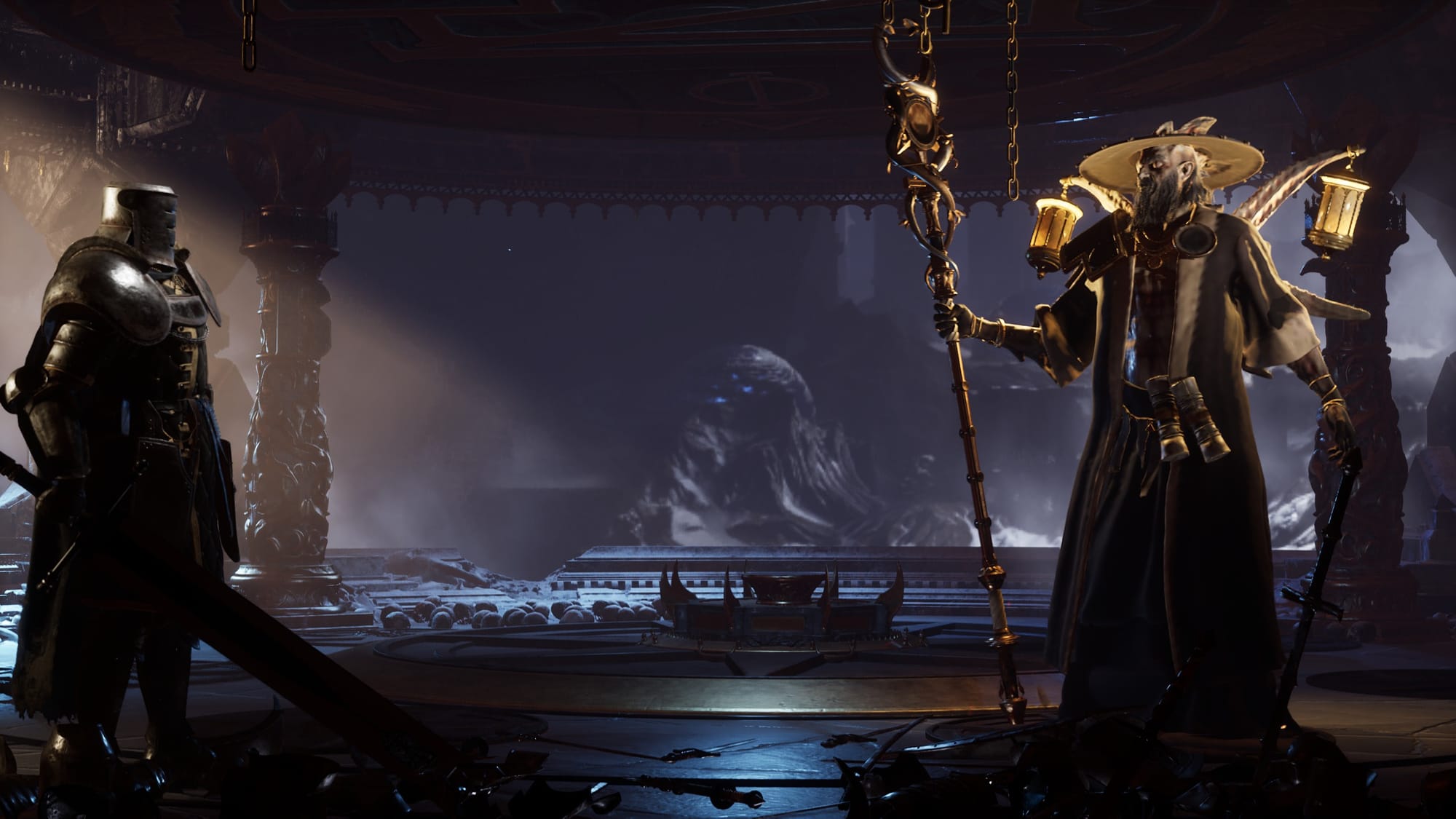
DAIMON BLADES Early Access Impressions: Forging a First Impression with Rusty Blades
Introduction: Diving into the Grim World of Daimon Blades
We at Gaming News have plunged headfirst into the early access release of Daimon Blades, a title promising a brutal blend of Souls-like combat and a desolate, unforgiving world. Our initial impressions center around the game’s core mechanics, the visual presentation of this post-apocalyptic landscape, and the promise it holds. While the “rusty blades” of the title accurately reflect the starting gear, the game offers a far richer experience than mere tarnished steel. We’ve spent considerable time navigating the treacherous environments and engaging in the deliberate, strategic combat that defines the experience, allowing us to form a comprehensive initial assessment. Our journey through this early access phase aims to decipher whether Daimon Blades can carve its own niche within the crowded genre and, ultimately, whether it delivers on its potential.
The Premise: Following the Deadly Trail of the Hermit
Daimon Blades casts players as a lone wanderer, a figure burdened by an unknown past, tasked with following the trail of a mysterious hermit. This hermit, seemingly connected to the cataclysm that has ravaged the world, holds the key to understanding the devastation and potentially offering a glimmer of hope. The narrative unfolds through environmental storytelling, cryptic dialogue snippets, and the lore meticulously woven into item descriptions. The premise is compelling, offering a familiar framework for the Souls-like genre: a descent into a decaying world, a search for meaning, and a slow unravelling of secrets. The sense of mystery is well-executed, piquing our curiosity and pushing us forward into the hazardous world the game presents. We found ourselves constantly searching for clues within the environment and from our encounters.
Unpacking the Hermit’s Role: Lore and Narrative Depth
The importance of the hermit goes beyond being a plot device. The hermit represents a potential guide or even a source of conflict. The narrative, as presented in early access, is deliberately opaque, leaving the player to piece together the puzzle of the world’s destruction and the hermit’s role in it. The game leverages environmental storytelling beautifully, utilizing crumbling architecture, grotesque creatures, and scattered notes to flesh out the history. Players must thoroughly explore the decaying environments to discover clues about the hermit’s purpose and background. This intricate approach offers players a true sense of discovery and motivation to delve further into the world. The narrative’s slow burn builds anticipation and makes each revelation all the more impactful, encouraging players to keep exploring. The slow release of information encourages players to seek out answers, making the game world feel deep and engaging.
Worldbuilding and Atmospheric Immersion
Daimon Blades excels in creating an atmosphere of desolation and despair. The environments are exceptionally detailed, featuring decaying structures, overgrown vegetation, and the lingering remnants of a lost civilization. The sound design plays a crucial role in enhancing the immersive experience, with the wind whistling through broken buildings, the crunch of footsteps on rubble, and the unsettling cries of unseen creatures creating a constant sense of unease. The developers have clearly put effort into creating an environment that is both visually striking and emotionally resonant. The use of lighting, shadow, and color palettes contributes to the overall atmosphere and enhances the sense of foreboding. The game does not shy away from portraying the world’s harshness, showing how the cataclysm has impacted everything, from the landscape to its inhabitants.
Combat Mechanics: The Dance of Death and Rusty Blades
The core of Daimon Blades, as with any Souls-like, lies in its combat. The game adopts the familiar stamina-based system, demanding calculated attacks, strategic dodges, and precise parries. The “rusty blades” of the early game are, as advertised, a challenging starting point. Successfully mastering the combat system is essential for survival. Each encounter is a test of patience, timing, and understanding the enemy’s attack patterns.
Mastering the Basics: Attack, Block, and Dodge
The core combat mechanics are familiar to fans of the genre. Players must learn to manage their stamina effectively, choosing between swift attacks, heavy blows, and defensive maneuvers. Blocking reduces damage, while dodging allows players to evade incoming attacks. The timing of these actions is critical, demanding a measured approach to each engagement. The early game provides a tutorial area to get acquainted with the basic movements. Mastering the fundamentals is essential, as even the earliest enemies can pose a threat if approached carelessly. Understanding how to evade, when to strike, and when to block or parry are the building blocks of success in Daimon Blades.
Parrying and Counterattacks: Turning the Tide
Parrying plays a crucial role in the combat system, allowing players to deflect enemy attacks and open them up for devastating counterattacks. Successfully executing a parry requires precise timing, but the rewards are significant. Counterattacks can deal massive damage, often staggering enemies and creating opportunities for further punishment. The parrying system in Daimon Blades is well-implemented and offers a satisfying sense of accomplishment. The timing windows are forgiving enough to allow for learning but demanding enough to require practice and skill. Mastering parrying transforms encounters, turning precarious situations into opportunities for decisive strikes.
Weapon Variety and Progression
Even in early access, there’s a hint of a robust weapon and equipment progression system. The “rusty blades” eventually give way to more potent tools of destruction, each with unique attack animations, stats, and special abilities. Finding new weapons and upgrading existing ones is an integral part of the player’s journey. The diversity of weaponry is likely to affect playstyles significantly, allowing players to experiment with different approaches. Each new weapon offers a different feel and set of strengths and weaknesses, forcing players to adapt their strategies. This weapon variety will likely add layers of depth to the combat, keeping the experience fresh and rewarding. The potential for character builds and personalized combat styles is considerable.
The Visuals and Sound: Creating a Grim Masterpiece
Daimon Blades presents a visually striking world, with a level of detail that enhances the sense of immersion. The environments are meticulously crafted, the character models are well-realized, and the overall aesthetic contributes to the game’s atmosphere of despair and desolation. The audio design further elevates the experience, with a haunting soundtrack and impactful sound effects.
Environment Design: A World of Decay
The environment design is one of Daimon Blades’ strongest assets. The level of detail is impressive, with each location feeling unique and evocative. The crumbling buildings, overgrown vegetation, and scattered debris paint a vivid picture of a world ravaged by catastrophe. The developers have paid close attention to detail, ensuring that the environments feel believable and immersive. Players will find themselves constantly scanning their surroundings, uncovering secrets and clues.
Character Models and Animations: Deadly Precision
Character models and animations, even in early access, are of high quality. The enemy designs are both grotesque and imaginative, each with unique attack patterns and behaviors. The player character’s animations are smooth and responsive, contributing to the fluidity of the combat. The visual presentation of both player and enemy movements enhances the feeling of weight and impact in each blow, creating an immersive experience.
Sound Design: Amplifying the Atmosphere
The sound design is instrumental in creating Daimon Blades’ chilling atmosphere. The ambient sounds, the unsettling cries of creatures, and the crunch of footsteps on different surfaces enhance the overall sense of unease. The soundtrack complements the visuals perfectly, with a score that is both haunting and dramatic. The sound design adds significant layers of tension and drama to the gameplay, making the exploration of this devastated world all the more engaging.
Early Access Concerns and Potential Pitfalls
While Daimon Blades shows promise, its early access state inevitably raises some concerns. While these are common for early access titles, they are important for players to consider. This section provides a critical eye over the areas that need the most refinement.
Technical Issues and Optimization
As with any game in early access, some technical issues are to be expected. We encountered occasional frame rate drops and minor visual glitches during our playthrough. The game’s optimization could be improved, but considering it is still in development, this is not surprising. The developers are actively addressing these issues, and performance is likely to improve as the game progresses.
Balance and Difficulty
Balancing the difficulty in a Souls-like game is a delicate art. While the challenge is inherent to the genre, the early access version of Daimon Blades can occasionally feel unforgiving. The developers will need to fine-tune the enemy placements, attack patterns, and damage output to ensure a balanced and rewarding experience. The difficulty should be appropriately challenging and feel fair to the player.
Content and Longevity
Early access titles often lack the content and longevity of a fully released game. The early access version of Daimon Blades provides a taste of the experience, but there is still room for more content. Players will be eager to see the full range of environments, weapons, and enemies. The game’s ultimate longevity will depend on the addition of new content, the refinement of existing mechanics, and the delivery of a compelling narrative.
Overall Impression: A Promising Entry in the Souls-Like Arena
Daimon Blades presents a promising foundation for a Souls-like experience. The game’s core mechanics, the visual presentation, and the intriguing narrative create a compelling and immersive experience. The potential is palpable, but the developers must address some of the concerns raised by early access.
The Verdict: Worth a Look for Genre Fans
For fans of the Souls-like genre, Daimon Blades is definitely worth keeping an eye on. The game offers a challenging combat system, a beautifully realized world, and an engaging narrative. The early access version provides a good indication of the game’s potential. We are intrigued by the possibilities.
Areas of Improvement and Future Expectations
The developers have a clear vision and are making a solid product. Areas for improvement exist, especially regarding technical issues, optimization, and balancing. We expect the developers to refine the game based on player feedback. The final product’s success hinges on their commitment to these areas. The early access period is an opportunity for the developers to refine the game, add content, and polish the experience, making it a truly exceptional title. The future looks bright for Daimon Blades.
Concluding Thoughts
Daimon Blades demonstrates the promise of a fresh and compelling take on the Souls-like formula. Its immersive world, challenging combat, and intriguing narrative create a gaming experience. With continued refinement and the addition of new content, Daimon Blades has the potential to carve its own path within the genre. We at Gaming News will continue to monitor its progress. We are eager to see how the game evolves.