Consume Me Review: A Deep Dive into its Psychological Depths and Gaming Analogies
The digital landscape is replete with narratives, each vying for attention with unique stories and immersive experiences. However, few titles manage to capture the complex tapestry of adolescent anxieties and societal pressures with the raw honesty and unexpected relatability that Consume Me achieves. Presented through the lens of a seemingly simple premise – a young woman’s struggle with body image and disordered eating – this work transcends its initial presentation to become a profound exploration of self-worth, external validation, and the internal battles that define our formative years. At its core, Consume Me invites players into the mind of Jenny, a final-year student grappling with the impending realities of adulthood, amplified by the insidious whispers of familial expectations and the ever-present social gaze. It is within this crucible of adolescent uncertainty that the narrative truly ignites, offering a poignant and often uncomfortable mirror to the experiences of many.
Jenny’s Descent: The Genesis of a Struggle
Jenny’s journey is not one of sudden crisis but a gradual erosion of self-esteem, meticulously crafted through relatable scenarios and internal monologues. The looming specter of her final school year acts as a stark reminder of the transition into a world where perceived flaws can feel magnified. This is not merely academic pressure; it is the weighty expectation of societal readiness, a benchmark that Jenny feels ill-equipped to meet. Her mother’s incessant pronouncements, a constant hum of veiled criticism about her appearance and its supposed impact on her romantic prospects, serve as a persistent external catalyst for Jenny’s internal turmoil. This narrative device is particularly effective because it taps into a universal fear: the desire to be accepted and loved, and the agonizing belief that one’s physical form is a primary determinant of that acceptance. The dialogue, whether spoken or implied, paints a vivid picture of the insidious ways in which well-intentioned or perhaps not-so-well-intentioned advice can embed itself within a developing psyche, shaping perceptions and fueling insecurities. The Consume Me review process reveals that the game excels at illustrating how these external voices become internalized, creating a relentless internal critic that Jenny must contend with.
The framing of Jenny’s situation as akin to a “video game” is a stroke of genius within the narrative itself. This metaphor, introduced early by Jenny, serves a dual purpose. Firstly, it provides a coping mechanism for her, a way to intellectualize and strategize around her burgeoning obsession with weight loss and body control. By reducing her struggles to a set of rules, objectives, and potential ‘power-ups’ (such as calorie deficits and exercise routines), she attempts to impose order on a situation that feels overwhelmingly chaotic. Secondly, and perhaps more importantly for the player, it acts as an immediate signal of the distorted lens through which Jenny is beginning to view her life. The gamification of her diet and exercise regimen is a clear indicator of an unhealthy relationship with food and her body, transforming a biological necessity into a competitive arena where she is both the player and the opponent. This parallel between a simulated world and her lived reality highlights the psychological disconnect that often accompanies disordered eating, where the pursuit of an idealized self becomes an all-consuming quest, detached from genuine well-being. The Consume Me review at this juncture emphasizes the cleverness of this analogy, as it immediately clues the player into the psychological stakes involved.
The Gamification of Self-Destruction: Mechanics and Metaphors
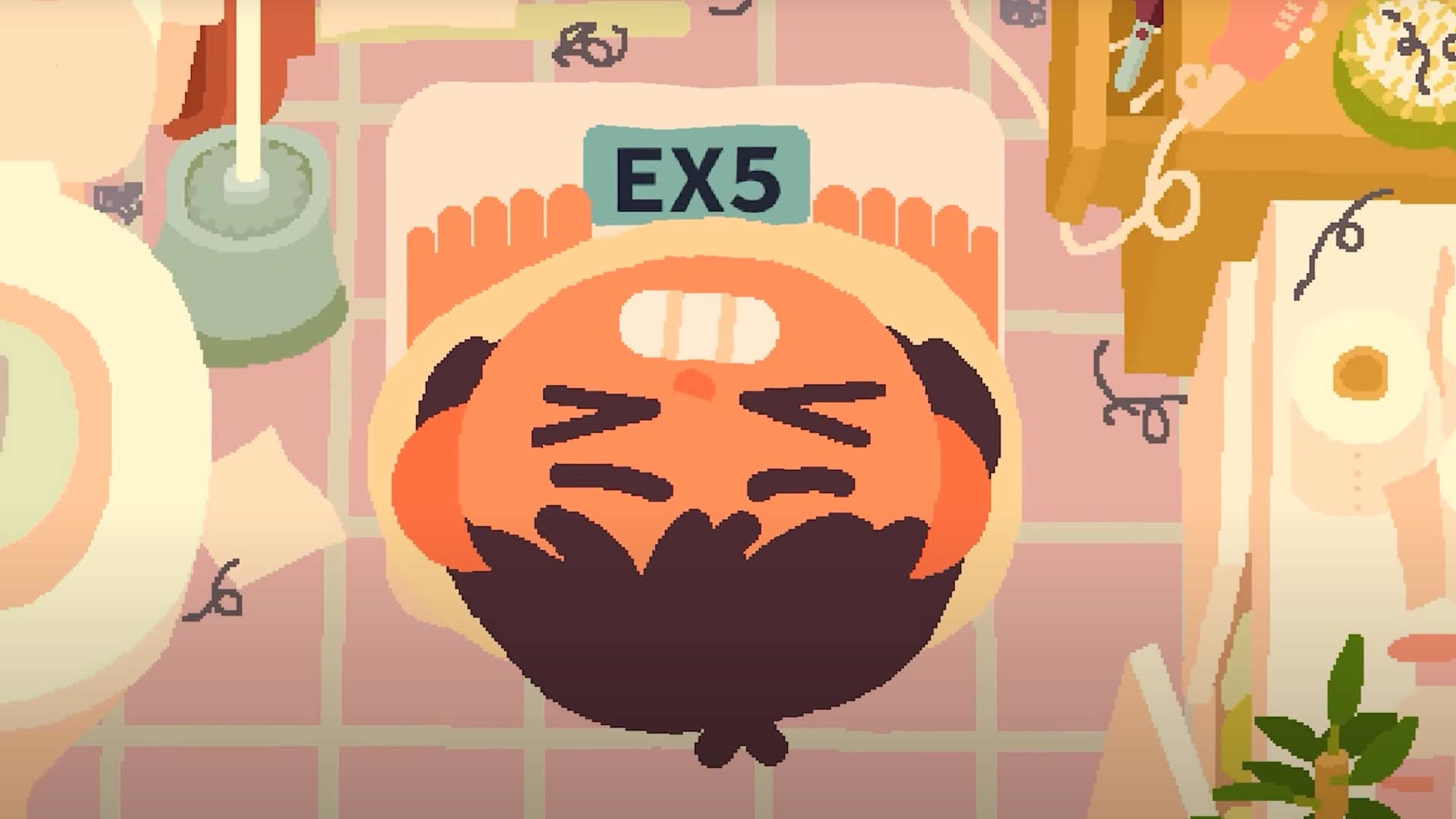
The core gameplay loop of Consume Me is intricately designed to reflect Jenny’s escalating obsession. Players are tasked with managing Jenny’s caloric intake, meticulously tracking her food consumption, and engaging in various forms of physical activity. However, these mechanics are not presented in a sterile, data-driven manner. Instead, they are imbued with a sense of urgency and consequence, mirroring the emotional weight Jenny places upon each decision. Every meal becomes a strategic choice, every workout a calculated expenditure of energy. The game ingeniously translates the psychological burden of dieting into tangible gameplay challenges.
Caloric Management as a Strategic Battlefield: The act of eating, typically a source of nourishment and social connection, is transformed into a perilous negotiation. Players must carefully select from a limited menu of food options, each carrying a specific calorie count and nutritional value. The temptation to indulge in ‘forbidden’ foods, often those associated with comfort or social occasions, is a constant narrative undercurrent. The game visually represents the impact of these choices not just on a numerical ‘weight’ meter, but also on Jenny’s mood, energy levels, and even her social interactions. A high-calorie meal might provide a temporary mood boost but lead to feelings of guilt and lethargy later, while a restrictive diet could boost Jenny’s perceived ‘control’ but leave her physically weak and emotionally vulnerable. This intricate web of cause and effect forces players to confront the complex and often detrimental relationship between food and emotional state. The Consume Me review highlights how the game doesn’t shy away from portraying the immediate and long-term consequences of these dietary decisions.
Exercise as a Double-Edged Sword: Similarly, exercise in Consume Me is presented as both a potential solution and a breeding ground for further obsession. While physical activity can contribute to weight loss and boost Jenny’s self-perception of discipline, it is also depicted as a compulsive behavior. Players might find themselves compelled to engage in excessive workouts to ‘burn off’ perceived caloric indiscretions, even when Jenny is visibly exhausted or injured. The game masterfully portrays the addictive nature of exercise when driven by an unhealthy motivation, showcasing how it can transition from a healthy habit to a form of self-punishment. The narrative weaves in moments where Jenny experiences physical pain or extreme fatigue, yet the gameplay mechanics continue to push for more exertion, underscoring the destructive cycle she is trapped within. The Consume Me review notes the unsettling accuracy of how exercise can become a tool of self-harm when wielded by disordered thoughts.
The Illusion of Control: What makes Consume Me particularly effective is its exploration of the illusion of control that disordered eating can provide. For individuals struggling with overwhelming emotions or a lack of agency in their lives, restricting food intake and meticulously controlling their physical appearance can offer a potent, albeit temporary, sense of mastery. The game mechanics actively reinforce this illusion. Achieving a lower weight on the ‘scale’ or completing a demanding workout can trigger positive reinforcement within the game, such as Jenny feeling a fleeting sense of pride or a temporary reprieve from her anxieties. However, this satisfaction is always ephemeral, quickly replaced by a renewed focus on the next target, the next restriction, the next calorie to be eliminated. This cyclical nature of the gameplay perfectly encapsulates the relentless and ultimately unfulfilling pursuit of an unattainable ideal. The Consume Me review acknowledges this core theme, emphasizing how the game meticulously dissects the psychological underpinnings of this perceived control.
Beyond the Numbers: Emotional and Social Repercussions
Consume Me excels not only in its depiction of the mechanical aspects of disordered eating but also in its unflinching portrayal of the profound emotional and social toll it takes on Jenny. The narrative artfully illustrates how Jenny’s obsession begins to isolate her from the very people who care about her and erodes her ability to engage with the world around her.
The Erosion of Self-Worth: As Jenny’s focus narrows onto her physical form and caloric intake, her intrinsic sense of self-worth becomes dangerously entangled with her perceived success or failure in these areas. The game shows how positive reinforcement from achieving weight loss goals – however detrimental the means – leads to temporary boosts in confidence, while any perceived setback, such as a gain in weight or a moment of indulgence, can plunge her into deep despair and self-loathing. This fluctuation of self-esteem, tied to external and often arbitrary metrics, is a hallmark of disordered eating, and Consume Me represents it with a visceral impact. Players witness Jenny’s mood swings, her fluctuating self-talk, and the increasing difficulty she has in celebrating any achievement that doesn’t directly relate to her weight. The Consume Me review consistently points to the game’s success in portraying this volatile emotional landscape.
Social Isolation and Strained Relationships: The narrative demonstrates how Jenny’s obsession inevitably leads to social withdrawal. The simple act of sharing a meal with friends becomes a source of intense anxiety, often leading her to decline invitations or make excuses to avoid eating in front of others. Her relationships with her family, particularly her mother, become increasingly strained as her eating disorder becomes a silent battleground, fraught with unspoken tension and misunderstanding. The game might present scenarios where friends try to reach out to Jenny, offering support or inviting her to activities, but her preoccupation with her body image often makes her unable to reciprocate or even acknowledge their concern. This gradual isolation, depicted through dialogue options that lead to further withdrawal or tense confrontations, is a heartbreaking aspect of the Consume Me experience. The Consume Me review emphasizes how the game captures the loneliness that often accompanies these struggles.
The Loss of Joy and Passion: As Jenny’s life becomes consumed by the management of her weight and food intake, other aspects of her identity and interests begin to fade. Hobbies, academic pursuits, and even simple pleasures are sacrificed at the altar of her obsession. The narrative implies a sense of lost potential, of a vibrant young woman whose energy and focus are being diverted into a destructive cycle. The game might present moments where Jenny has opportunities to engage in activities she once loved, but her internal monologue, or the gameplay mechanics themselves, steer her back towards her primary focus on her body. This portrayal highlights how disordered eating is not just about food; it is about the significant erosion of a person’s overall well-being and their capacity to experience joy and fulfillment. The Consume Me review underscores the tragedy of this narrative arc, as players witness a bright future dimming under the weight of an internal struggle.
The “Video Game” Metaphor: A Narrative Device for Impact
The recurring metaphor of life as a video game, as articulated by Jenny, is central to Consume Me’s narrative power and its effectiveness as a critical examination of disordered eating. This framing device allows the game to explore complex psychological themes in a way that is both accessible and profoundly resonant.
Simplifying the Unmanageable: For Jenny, the video game analogy is a desperate attempt to impose a sense of order and control onto a situation that feels terrifyingly out of her hands. By viewing her struggles with dieting and body image as a game with quantifiable objectives, rules, and strategies, she attempts to break down an overwhelming problem into manageable components. This allows her to feel a sense of agency, even as the ‘game’ she is playing is ultimately self-destructive. The Consume Me review finds this to be a particularly insightful narrative choice, as it reflects a common psychological defense mechanism.
Highlighting the Distortion of Reality: For the player, however, this metaphor serves as an immediate red flag, signaling Jenny’s distorted perception of reality. The very act of gamifying her struggle – turning the complex and deeply personal experience of body image into a series of challenges and scores – underscores the unhealthy and unnatural relationship she has developed with her body and with food. The game’s mechanics, which often mirror the ‘rules’ of dieting and exercise, further reinforce this metaphor, drawing players into Jenny’s distorted worldview while simultaneously allowing them to maintain an objective perspective on its dangers. The Consume Me review acknowledges the brilliance of this dual interpretation.
The Allure and Danger of “Winning”: The concept of “winning” in Jenny’s self-created game is a particularly potent aspect. In a traditional video game, winning brings satisfaction, recognition, and a sense of accomplishment. In Jenny’s case, the perceived “wins” – a lower number on the scale, a smaller dress size – are presented as the ultimate goals. However, the game demonstrates that these victories are hollow. They do not bring lasting happiness or solve the underlying emotional issues. Instead, they perpetuate the cycle, requiring Jenny to constantly set new, often more extreme, goals to maintain the illusion of progress. The Consume Me review highlights this crucial point: the game teaches that in the context of disordered eating, “winning” is a dangerous fallacy.
A Commentary on Societal Pressures: The video game metaphor also implicitly critiques the societal pressures that contribute to Jenny’s struggles. Our society often promotes the idea of self-improvement as a competitive endeavor, with idealized bodies and lifestyles presented as the ultimate prizes. Consume Me takes this idea and pushes it to its logical, and disturbing, extreme, showing how these pressures can lead individuals to engage in harmful behaviors in pursuit of an unattainable ideal. The game’s narrative serves as a stark reminder that while the external world may present these challenges, the internal battle and the coping mechanisms employed are profoundly personal and often devastating. The Consume Me review suggests this broader societal critique is a significant strength of the game’s narrative design.
Navigating the Difficult Terrain: Player Agency and Narrative Choices
While Consume Me presents a compelling and often harrowing narrative, it also grants players a degree of agency, allowing them to influence Jenny’s path, albeit within the confines of her struggle. These choices, while seemingly small, can have significant narrative repercussions, underscoring the complex and multifaceted nature of recovery and relapse.
The Impact of Dialogue Choices: Throughout the game, players are presented with dialogue options for Jenny. These choices can range from how Jenny responds to her mother’s comments, to what she says to concerned friends, or even how she frames her own internal thoughts. Choosing to engage with friends, for instance, might open up avenues for support and understanding, while opting for withdrawal could further alienate her. These choices are not always clear-cut; sometimes, the ‘easier’ or more outwardly compliant response can lead to negative long-term consequences, mirroring the deceptive nature of many coping mechanisms in real life. The Consume Me review notes that these choices are crucial for shaping the player’s understanding of Jenny’s internal conflict.
Strategic Decisions in Gameplay: Beyond dialogue, player agency extends to the core gameplay mechanics. Players have the power to decide how strictly Jenny adheres to her diet, how much she exercises, and when she chooses to seek help or confide in someone. These decisions directly impact Jenny’s physical and emotional state, as well as the progression of the narrative. For example, pushing Jenny to exercise excessively might lead to short-term weight loss but result in injury and increased mental anguish, potentially leading to a different narrative branch. Conversely, allowing Jenny moments of rest and self-care, even if they deviate from her rigid plan, could foster a slower but more sustainable path towards healing. The Consume Me review stresses that these gameplay decisions are not just about progression but about exploring different facets of Jenny’s struggle and potential recovery.
The Spectrum of Outcomes: Consume Me does not offer a single, straightforward path to resolution. The game is designed to reflect the messy reality of dealing with disordered eating, where progress is rarely linear. Depending on the player’s choices, Jenny’s journey can lead to various outcomes, ranging from a fragile but hopeful recovery to a deeper descent into her illness. This non-linear narrative structure is a testament to the game’s commitment to authenticity. It avoids a simplistic “happily ever after” trope, instead presenting a more nuanced and realistic portrayal of the challenges involved in overcoming such profound personal struggles. The Consume Me review celebrates this mature approach to storytelling, as it respects the player’s intelligence and the gravity of the subject matter.
The Importance of Self-Compassion: While the game mechanics often push players towards restrictive behaviors, the most impactful choices often involve moments of self-compassion and vulnerability. Allowing Jenny to admit she is struggling, to seek help, or to simply allow herself a moment of respite can be more ‘successful’ in the long run than any perfectly executed diet plan. This subtle but crucial aspect of player agency underscores the game’s underlying message: true healing comes not from external control or perfection, but from internal acceptance and support. The Consume Me review concludes that this is the most powerful takeaway from the game’s interactive elements.
Conclusion: A Necessary, Uncomfortable, and Ultimately Important Experience
Consume Me is not an easy game. It delves into sensitive subject matter with a unflinching gaze, forcing players to confront the anxieties and self-destructive behaviors that can plague individuals, particularly during their formative years. However, it is precisely this discomfort that makes the experience so valuable. By masterfully weaving together a relatable narrative, engaging gameplay mechanics, and profound psychological insights, Consume Me offers a powerful commentary on the pressures of societal expectations, the fragile nature of self-worth, and the insidious grip of disordered eating.
The game’s clever use of the “video game” metaphor serves as a brilliant narrative device, allowing it to explore complex themes with both accessibility and a critical eye. It effectively illustrates how the pursuit of an idealized self can transform into a dangerous obsession, where “winning” becomes synonymous with self-harm. The detailed portrayal of Jenny’s internal monologue, her strained relationships, and the erosion of her joy in life creates a deeply empathetic and often heartbreaking experience for the player.
Ultimately, Consume Me is more than just a game; it is a nuanced exploration of mental health, body image, and the universal human desire for acceptance. It serves as a vital reminder that true strength lies not in external validation or rigid control, but in self-compassion, vulnerability, and the courage to seek help. For anyone interested in understanding the psychological landscape of disordered eating or experiencing a narrative that is as thought-provoking as it is emotionally resonant, Consume Me is an essential, albeit challenging, journey. Its ability to spark conversation and foster empathy makes it a significant contribution to the growing body of interactive media that tackles difficult and important social issues with grace and intelligence. The Consume Me review process consistently returns to this sentiment: it is a game that stays with you long after the credits roll, prompting reflection and understanding.