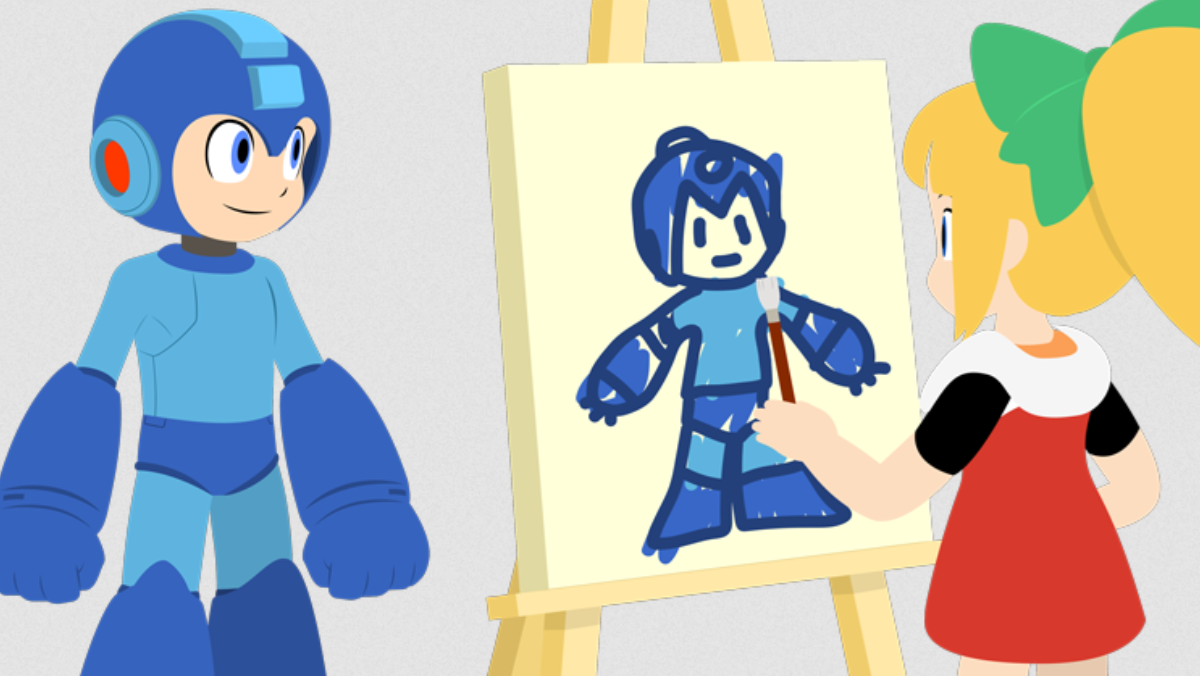
Capcom’s Comprehensive Fan Creation and Derivative Guidelines: Empowering Creators and Protecting Intellectual Property
At Gaming News, we understand the immense passion and creativity that fuels the gaming community. For years, fans have poured their hearts into creating artwork, music, videos, and even entire games inspired by their favorite Capcom titles. Recognizing this dedication, Capcom has taken a significant step forward by establishing clear, detailed, and accessible fan creation and derivative guidelines. These guidelines are not merely restrictive; they are designed to empower creators, foster a vibrant fan culture, and ensure the continued integrity and success of Capcom’s beloved intellectual properties. We aim to provide a comprehensive overview of these crucial guidelines, ensuring our readers have the most detailed understanding possible to navigate the exciting landscape of fan-made content.
Understanding Capcom’s Vision for Fan Content
Capcom’s approach to fan-created content is built on a foundation of mutual respect and shared enthusiasm. The company acknowledges the vital role that fans play in the lifecycle and enduring popularity of its franchises. By articulating precise parameters for fan creations, Capcom aims to strike a delicate balance: fostering an environment where creativity can flourish while simultaneously safeguarding its intellectual property rights. This commitment is evident in the availability of these guidelines in fifteen distinct language options, demonstrating a global outreach and a desire to connect with fans across diverse regions. While some regional overlaps may exist, the overarching message is clear: Capcom wants its fans to create, share, and celebrate their passion within defined, understandable boundaries.
What Constitutes “Fan Content” According to Capcom?
Capcom offers a broad and inclusive definition of what qualifies as fan content. This encompasses a wide spectrum of creative endeavors, ensuring that almost any form of fan expression is considered. Within these guidelines, the following are explicitly recognized and welcomed:
- Artwork: This includes drawings, paintings, digital illustrations, sketches, and any visual representation of Capcom characters, worlds, or themes. Whether it’s a detailed character portrait, a dramatic scene from a game, or an abstract interpretation, Capcom encourages artistic expression.
- Comics: Sequential art narratives, whether presented digitally or in print, that tell new stories or reimagine existing ones within Capcom’s universes are highly valued. This allows for deep dives into character backstories, “what-if” scenarios, and entirely new plotlines.
- Fanfiction: Written narratives, short stories, novels, or any form of prose that explores characters, plots, or settings from Capcom’s intellectual properties fall under this category. This is a powerful medium for exploring character motivations and relationships in intricate detail.
- Games: This is a significant area, and Capcom acknowledges the development of fan-made games that are inspired by their titles. This can range from small indie projects to more ambitious endeavors, provided they adhere to the established guidelines.
- Models: This includes 3D models created for animation, virtual reality, or even 3D printing. The ability to sculpt and present characters and objects from Capcom’s worlds in three dimensions is a testament to fan dedication.
- Music: Original musical compositions, remixes, or arrangements inspired by Capcom game soundtracks are also encouraged. The evocative power of music can significantly enhance the fan experience.
- Cosplay Photographs and Outfits: The meticulous craft of recreating character costumes and capturing them through photography is a highly visible and appreciated form of fan expression. Capcom recognizes the effort and artistry involved in bringing characters to life.
- Videos: This broad category includes gameplay compilations, machinima, fan trailers, animated shorts, and any video content that showcases passion for Capcom’s intellectual properties.
The key takeaway here is that Capcom actively encourages a diverse range of fan creations. The company understands that these works not only demonstrate affection for their games but also contribute to the broader cultural conversation surrounding them.
The Paramount Importance of Clear Identification
A fundamental tenet of Capcom’s guidelines is the absolute necessity of clearly distinguishing fan content from official Capcom material. This is a crucial measure to prevent consumer confusion and maintain the integrity of Capcom’s brand. Creators are expected to prominently display disclaimers that explicitly state their work is fan-made and not an official product. This transparency is vital for several reasons:
- Preventing Misinformation: It ensures that audiences are aware they are engaging with fan-generated content, thereby avoiding any perception that it originates from or is endorsed by Capcom itself.
- Managing Expectations: Fans understand that official products undergo rigorous quality control and development processes, which may not be reflected in fan creations. Clear identification manages these expectations appropriately.
- Respecting Intellectual Property: It reinforces that the original intellectual property belongs to Capcom, and the fan creation exists within a specific, permitted framework.
This simple yet critical step is a cornerstone of responsible fan creation and demonstrates a creator’s respect for the original rights holders.
Navigating the Commercialization of Fan Content: Opportunities and Limitations
One of the most frequently asked questions regarding fan creations revolves around the possibility of monetization. Capcom’s guidelines address this complex issue with a nuanced approach, seeking to support passionate hobbyists while protecting its commercial interests.
The General Prohibition on Sales
As a foundational rule, Capcom prohibits individuals from creating and selling fan content. This is a standard practice across the entertainment industry, designed to protect the revenue streams of the original creators and prevent unauthorized commercial exploitation of their intellectual property. The creation and sale of fan merchandise without explicit licensing can lead to legal disputes and devalue the official products.
The “Hobbyist Exception” for Limited Commercial Activity
However, Capcom recognizes that for some dedicated fans, the line between pure hobby and minor commercial activity can be blurred. To accommodate these passionate creators, an exception is made for hobbyists, provided they adhere to specific conditions. This “hobbyist exception” allows for limited commercialization under the following circumstances:
- No Intent for Large-Scale Profit: The creator must not intend to generate substantial profits from their fan creations. This implies a focus on recouping costs rather than significant financial gain.
- Limited Volume of Sales: The quantity of items sold should be relatively small. This indicates that the activity is not intended to compete with official merchandise or operate as a full-fledged business.
This exception is designed to allow creators to perhaps sell a few items at local conventions or through very small online platforms to offset material costs and the time invested, without disrupting Capcom’s official market. It’s crucial to interpret this exception with genuine intent as a hobbyist and not as a loophole for commercial ventures.
Specific Event Exceptions: Figures and Garage Kits
Capcom further elaborates on commercialization by providing a specific exception for the sale of figures or garage kits at events like Wonder Festival (WonFes). This is a significant concession that acknowledges the dedicated community of model kit builders and collectors who often create and sell their unique creations at such specialized gatherings. Capcom has already granted legal approval for such activities at these specific events, meaning creators can more freely engage in selling these types of items within that context. This demonstrates a deep understanding of specific fan communities and their established practices.
The Ultimate Authority: Capcom’s Right to Request Takedowns
It is absolutely imperative to understand that even when meticulously adhering to all outlined guidelines, Capcom reserves the absolute right to request the removal or modification of any fan content at any time. This clause underscores Capcom’s ultimate ownership and control over its intellectual property. While the guidelines are designed to be permissive and encouraging, this final authority ensures that Capcom can address any unforeseen issues or situations that might arise. This is not a discretionary measure intended to arbitrarily halt fan creations but a necessary safeguard for the protection of their brand and existing business models. Creators must respect this right and be prepared to comply promptly if such a request is made.
Fundamental Rules for Responsible Fan Content Creation
Beyond the specific nuances of commercialization and content types, Capcom outlines fundamental rules for what kinds of fan content are permissible. These are standard ethical and legal considerations that most reputable companies expect from users engaging with their intellectual properties. Adhering to these basic principles ensures that fan creations remain positive, respectful, and aligned with the values that Capcom promotes.
Prohibition of Content Damaging to Capcom’s Image
A core principle is that fan content must not damage Capcom’s image or reputation. This is a broad but essential rule designed to prevent the association of Capcom’s brands with negative, offensive, or harmful material. This includes, but is not limited to:
- Obscene or Explicit Content: Material that is sexually explicit or gratuitously violent beyond what is typical for the game’s rating.
- Hate Speech and Discrimination: Content that promotes hatred, discrimination, or disparagement against individuals or groups based on race, ethnicity, religion, gender, sexual orientation, or any other protected characteristic.
- Defamatory Statements: False statements that harm the reputation of Capcom, its employees, or its associated brands.
- Illegal Activities: Content that promotes, depicts, or encourages illegal acts.
The intent here is to ensure that fan creations reflect positively on the source material and do not tarnish the goodwill Capcom has cultivated over decades.
Restrictions on Religious and Political Content
Capcom specifically prohibits the creation of fan content that promotes religion or politics. This is a common stance for many large entertainment companies. The rationale behind this restriction is to:
- Maintain Neutrality: Keep the focus on the entertainment value of the games rather than injecting potentially divisive social or political commentary.
- Avoid Alienating Audiences: Prevent fan creations from alienating segments of the fanbase who may hold different religious or political beliefs.
- Prevent Misappropriation: Ensure that Capcom’s intellectual properties are not used as a platform for proselytization or political advocacy, which could lead to brand confusion and controversy.
Therefore, any fan works that overtly advocate for a specific religious doctrine or political agenda are outside the permitted scope.
Slander and Defamation of Specific Groups and People
Closely related to the prohibition on damaging Capcom’s image is the explicit restriction against slandering specific groups and people. This rule goes beyond general reputational protection to specifically address harmful commentary targeted at individuals or identifiable groups. This includes:
- Personal Attacks: Creating content that is intended to harass, bully, or defame specific individuals, whether they are public figures, developers, or other members of the community.
- Group Defamation: Spreading false and malicious statements about specific communities or demographics, which can perpetuate harmful stereotypes.
This ensures that fan creations are a space for celebration and creativity, not for spreading animosity or misinformation.
The Global Reach and Accessibility of Capcom’s Guidelines
Capcom’s commitment to fostering a positive fan environment is further underscored by the global accessibility of their guidelines. The availability of these detailed instructions in fifteen language options signifies a dedication to inclusivity and ensures that creators worldwide can understand and engage with Capcom’s policies. This proactive approach minimizes barriers and empowers a broader range of fans to participate in creating derivative works.
Navigating Regional Nuances and Overlaps
While the availability in multiple languages is commendable, it is important to acknowledge that some regional overlaps may exist. This means that depending on your geographical location, certain specific interpretations or additional local regulations might apply. However, the core principles and broad categories of permitted content remain consistent across the board. For the most precise understanding pertinent to your region, consulting the official Capcom website and its localized versions is always recommended.
The Broad Spectrum of Intellectual Properties Covered
The guidelines apply to Capcom’s vast array of intellectual properties. This includes, but is not limited to, iconic franchises such as:
- Resident Evil: The survival horror phenomenon.
- Monster Hunter: The epic action RPG series.
- Street Fighter: The legendary fighting game franchise.
- Mega Man: The classic blue bomber.
- Devil May Cry: The stylish action-adventure series.
- Ace Attorney: The critically acclaimed visual novel series.
- And many more beloved titles that have shaped the gaming landscape.
This broad application means that whether you are a fan of survival horror, monster hunting, or electrifying brawls, Capcom’s guidelines are designed to provide a framework for your creative expression across their diverse portfolio.
Conclusion: A Collaborative Future for Fan Creations
Capcom’s detailed fan creation and derivative guidelines represent a forward-thinking and fan-centric approach to intellectual property management. By clearly defining what is permissible, providing exceptions for dedicated hobbyists, and ensuring accessibility across multiple languages, Capcom is actively fostering a collaborative environment. This allows fans to express their passion and creativity in meaningful ways, while simultaneously safeguarding the integrity and commercial viability of their cherished franchises.
At Gaming News, we believe that open communication and clear guidelines are essential for a thriving fan community. Capcom’s efforts in this regard are a testament to their understanding of this dynamic. We encourage all aspiring fan creators to thoroughly review these guidelines, create with passion and integrity, and contribute to the vibrant tapestry of Capcom’s enduring legacy. By respecting these guidelines, fans can continue to celebrate their favorite games and characters, ensuring a bright and creative future for both creators and Capcom alike.