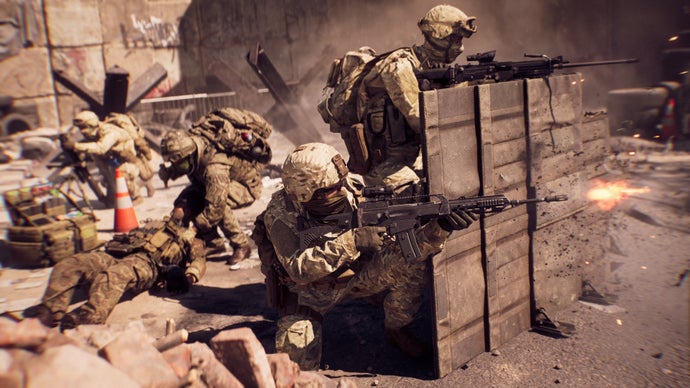
Battlefield 6: The Crossplay Controversy and the Players’ Fight for Choice
Welcome to Gaming News, your premier source for in-depth analysis and the latest developments in the gaming world. Today, we delve into a contentious issue shaking the foundations of Battlefield 6: the practice of PC players actively manipulating game files to disable crossplay functionality. This controversial maneuver highlights the growing tensions surrounding crossplay implementation and offers a fascinating look into the player base’s priorities and desires.
The Rise of Crossplay and Its Promises
Crossplay, the ability for players on different platforms (PC, PlayStation, Xbox) to engage in multiplayer games together, has become increasingly prevalent in the gaming landscape. Its appeal is multifaceted:
- Expanded Player Pools: Crossplay dramatically increases the number of potential opponents and teammates, reducing matchmaking times and ensuring a more active online community.
- Unified Gaming Experience: Crossplay allows friends to play together, regardless of their preferred platform. This fosters a sense of inclusivity and social connection, potentially boosting game sales and player retention.
- Longevity of Games: By maintaining a large, active player base, crossplay can extend the lifespan of a game, providing ongoing entertainment and financial returns for developers.
However, the implementation of crossplay is not without its challenges. The fundamental differences in hardware capabilities, input methods, and player skill levels can create imbalances and, ultimately, detract from the gaming experience for some players.
The PC Player Perspective: Mouse and Keyboard vs. Controller
The core of the Battlefield 6 crossplay debate stems from a perceived disparity between PC players using mouse and keyboard and console players using controllers.
The Argument for Keyboard and Mouse Superiority
Many PC players believe that the precision and speed afforded by mouse and keyboard give them a significant competitive advantage over console players.
Precise Aiming and Quick Reactions
The ability to instantly move a cursor on the screen and make minute adjustments to aim is often cited as a key advantage. The flick-shot capability, where a player can quickly snap their crosshair to a target, is significantly easier to perform on a mouse than with a controller’s analog stick. The faster reaction times often allow PC players to react more quickly to threats and secure kills more efficiently.
Customizable Controls and Enhanced Macros
PC players can customize their keybindings to an extreme degree, optimizing their controls for their playstyle. Furthermore, the use of macros, allows the automation of a series of actions with a single button press, offering significant tactical advantages in certain situations.
The Console Player Perspective: Aim Assist and Skill-Based Matchmaking
Console players are not without their defenses in this debate.
Aim Assist as a Balancing Factor
Console games often incorporate aim assist features that help players track and hit their targets. This can mitigate some of the aiming disadvantages stemming from using a controller. Aim assist, however, is not a perfect solution, as it can occasionally interfere with player’s desired movements.
Skill-Based Matchmaking (SBMM) as a Counterbalance
SBMM systems are designed to match players with others of similar skill levels. This system would, ideally, place players on PC against other PC players, and console players against other console players. SBMM is sometimes employed across platforms. By putting players against similarly skilled opponents, SBMM can create a more balanced and enjoyable gaming experience for all, regardless of platform or input method.
The Perceived Competitive Disadvantage
PC players argue that the combination of superior aiming capabilities and potential for customized controls provides a significant and often unfair advantage. They fear that their gameplay experience is compromised when forced to compete against console players, who may be at a disadvantage. This is a primary driver behind the attempts to disable crossplay.
The Modding Community’s Response: Disabling Crossplay
Frustrated by the perceived imbalance and the lack of control over their matchmaking experience, some PC players have taken matters into their own hands.
Modifying Game Files: The Technical Breakdown
The exact methods used to disable crossplay are varied, but generally involve modifying game files to alter the matchmaking parameters. The files modified can be game-specific and require more expertise to adjust.
Identifying the Crossplay Settings
Players must first identify the configuration files that control the crossplay settings. This may involve:
- File Exploration: Deep investigation in the game’s installation folders, in search of configuration files.
- Trial and Error: Experimenting with various settings to identify which ones impact crossplay behavior.
- Community Collaboration: Sharing findings and exchanging information with other players.
Modifying the Code: A Delicate Operation
Once the relevant files are found, players must modify the game’s code to disable crossplay. This may involve:
- Changing Boolean Values: Adjusting “true” or “false” values to prevent crossplay matchmaking.
- Commenting Out Code: Temporarily disabling specific lines of code.
- Replacing Files: Substituting original files with modified versions.
Risks and Consequences
Modifying game files carries potential risks:
- Anti-Cheat Measures: Anti-cheat systems can detect modified files and result in penalties, including temporary or permanent bans.
- Game Instability: Incorrect modifications can cause crashes, performance issues, or even render the game unplayable.
- Unsupported Game Experience: Players may not have access to features and future game updates.
The Impact on the Player Experience
The ability to disable crossplay directly affects the gaming experience in several ways:
Reduced Matchmaking Times (Potentially)
Removing console players from the pool can, in certain circumstances, reduce matchmaking times.
Perceived Competitive Balance
PC players may feel that by only matching against other PC players, they encounter more balance and fairness in gameplay.
Community Fragmentation
The act of separating the player base can lead to a more fragmented community. This could result in fewer players to compete against and less available resources.
The Developer’s Perspective: Balancing Competition and Community
Developers face a complex challenge: balancing the desire for competitive integrity and the need to foster a vibrant and inclusive community.
Crossplay Policies and Their Rationale
Developers usually have clear rationales behind their crossplay policies:
Increasing Player Engagement
Crossplay promotes a larger player pool, attracting more players and increasing engagement.
Promoting Social Interaction
Crossplay enables friends to play together, regardless of platform, encouraging social interaction and team play.
Monetization and Game Longevity
A larger player pool allows for more robust monetization options.
Addressing Player Concerns
Developers have explored solutions to address player concerns about crossplay:
Input-Based Matchmaking
Input-based matchmaking can group players using similar input methods (mouse and keyboard vs. controller), providing a more balanced experience.
Separate Ranked Modes
Developers can create separate ranked modes for PC and console players, allowing those who want a more competitive experience to compete against others on their preferred input method.
Transparent Communication and Feedback
Open communication with the player base is essential. Developers should actively solicit and respond to player feedback.
The Ethical Considerations
The use of modifications to disable features raises ethical questions:
Violation of Terms of Service
Modifying game files often violates the terms of service, which can lead to sanctions.
Unfair Advantage
Disabling crossplay, if it provides a competitive advantage, could be viewed as a form of cheating.
Undermining Developer Intent
These actions undermine the developer’s vision for the game.
The Future of Crossplay in Battlefield 6
The controversy surrounding crossplay highlights the need for developers to proactively address player concerns and adapt their approach to balance competitiveness, inclusivity, and technical aspects.
Potential Solutions and Enhancements
Developers could implement these actions:
Refined Input-Based Matchmaking
Improving the sophistication and effectiveness of input-based matchmaking could dramatically enhance the gaming experience.
Customizable Crossplay Options
Granting players more control over crossplay settings would allow them to tailor their experience.
Transparent Communication and Community Involvement
Developers can foster an inclusive environment by listening to players, being transparent, and inviting community input.
The Role of the Community in Shaping the Future
Players themselves have a key role to play:
Constructive Feedback
Providing clear and constructive feedback about crossplay concerns.
Advocating for Fair Play
Adhering to the terms of service.
Seeking Solutions
Participating in the discussions and supporting initiatives that promote fair play and community cohesion.
Gaming News will continue to monitor this evolving situation and keep you updated on the latest developments. Stay tuned for further analysis, expert insights, and community discussions. Thank you for reading!