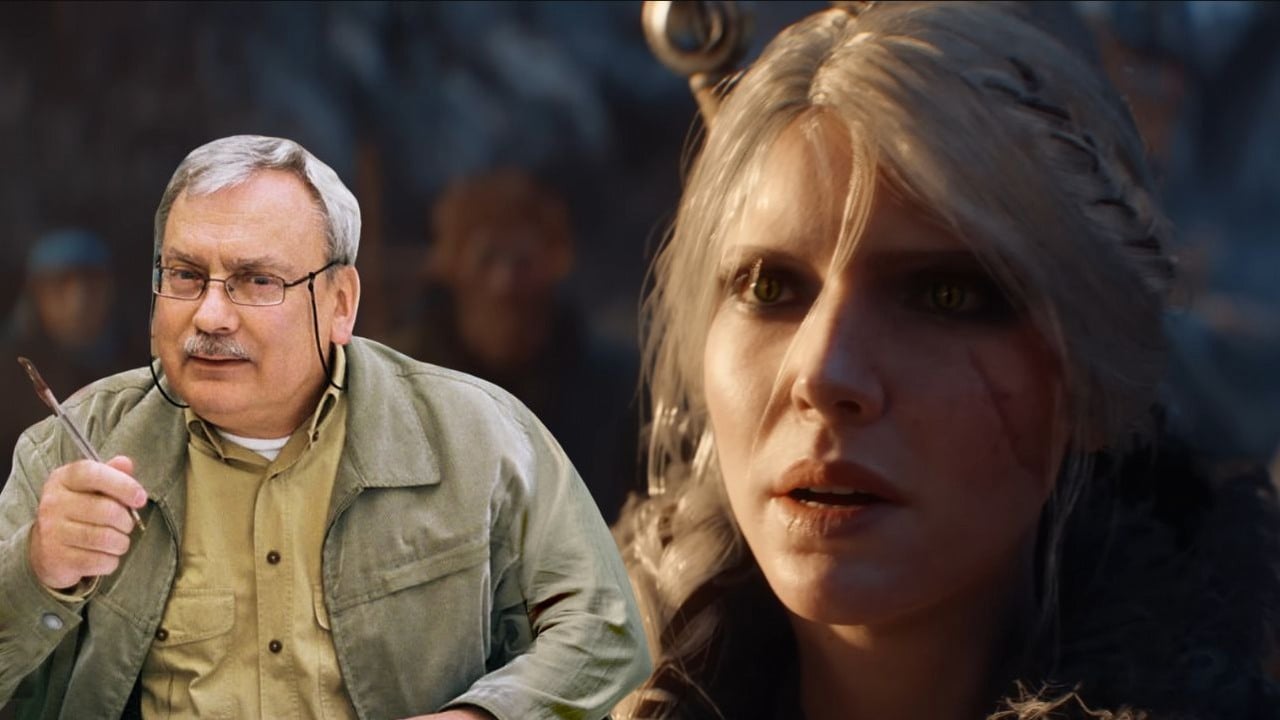
Andrzej Sapkowski Confirms No Involvement in The Witcher 4: Analyzing the Potential Reasons Why
The gaming world buzzed recently with the confirmation that Andrzej Sapkowski, the acclaimed author behind The Witcher book series, will not be contributing to CD Projekt Red’s highly anticipated The Witcher 4. This revelation, while perhaps disappointing to some, isn’t entirely surprising when considering the complex history between Sapkowski and CD Projekt Red, as well as the narrative direction the game series has taken. At Gaming News, we delve into the possible reasons behind Sapkowski’s lack of involvement, examining the historical context, the creative autonomy of CD Projekt Red, and the potential narrative implications for the future of the Witcher franchise.
A History of Unease: The Sapkowski-CD Projekt Red Relationship
The relationship between Andrzej Sapkowski and CD Projekt Red has been well-documented and, at times, fraught with tension. Initially, Sapkowski sold the rights to The Witcher intellectual property to CD Projekt Red for a lump sum payment. While he was content with the initial deal, the immense success of The Witcher game series led him to express regret over this arrangement.
The Initial Agreement: A Matter of Perspective
Sapkowski’s decision to accept a single payment rather than a percentage of the game’s profits stemmed from a lack of faith in the video game industry’s potential and a belief that his books were far more valuable. In numerous interviews, he has stated he simply didn’t think video games would be so successful, particularly in adapting his complex and nuanced world. This initial agreement, while advantageous for CD Projekt Red, became a source of contention as The Witcher games achieved global recognition and significant financial success.
The Royalty Dispute: A Public Negotiation
In 2018, Sapkowski publicly demanded additional royalties from CD Projekt Red, citing Polish copyright law and arguing that the initial payment did not adequately compensate him for the use of his intellectual property. The amount initially demanded was substantial, reportedly around $16 million. This demand ignited a heated debate within the gaming community, with some siding with Sapkowski and others criticizing his apparent change of heart.
The Settlement: A Compromise Reached
After months of negotiation, CD Projekt Red and Sapkowski reached a settlement in late 2019. The specific terms of the agreement were not disclosed, but it was generally understood that Sapkowski received an undisclosed sum. This settlement ostensibly mended the relationship, but the underlying tension and differing perspectives on the value of the Witcher IP may still influence Sapkowski’s decision to remain uninvolved in future projects. It’s highly likely this settlement was for use of the existing Witcher lore but does not mandate any further cooperation.
Creative Autonomy and Narrative Direction of The Witcher Games
Another significant factor contributing to Sapkowski’s lack of involvement in The Witcher 4 is CD Projekt Red’s established creative autonomy over the game series. While the games are based on Sapkowski’s books, they have increasingly diverged from the source material, creating their own unique storylines, characters, and interpretations of the Witcher universe.
Divergence from the Source Material: A Necessary Evolution
The first Witcher game closely followed the narratives and themes established in the books. However, as the series progressed, CD Projekt Red began to introduce more original content, expanding upon existing lore and creating entirely new plotlines. The Witcher 3: Wild Hunt, in particular, significantly expanded the world and introduced compelling characters like Ciri, Yennefer, and Triss, further solidifying the game’s distinct identity.
CD Projekt Red’s Vision: Shaping the Witcher Universe
CD Projekt Red has a clear vision for the Witcher franchise, one that extends beyond simply adapting Sapkowski’s books. They have demonstrated a willingness to take creative risks, explore new narratives, and develop characters in ways that may not perfectly align with Sapkowski’s original intentions. This creative independence is a key element of their success and likely influences their decision-making process regarding collaboration with the author. The commercial success of The Witcher 3 has undoubtedly emboldened their independent creative direction.
Narrative Closure: Geralt’s Story Concluded?
The Witcher 3 provided a fairly conclusive ending to Geralt’s story, allowing players to choose from several different outcomes that all, in their way, provided closure to his character arc. CD Projekt Red may be hesitant to undo that closure or force Geralt into new narratives, thus requiring less input from Sapkowski on the continuing storyline. This is a key factor in understanding why Sapkowski might not be necessary for the development of The Witcher 4. The new saga might also take place in a different timeline, location or with different characters making Sapkowski less familiar with the story and universe.
Potential Narrative Implications for The Witcher 4
Sapkowski’s lack of involvement in The Witcher 4 has significant implications for the game’s narrative direction. It suggests that CD Projekt Red is prepared to move even further away from the source material and explore new stories and characters within the Witcher universe.
New Characters and Storylines: Expanding the Witcher Lore
With Geralt’s story seemingly concluded, The Witcher 4 is expected to introduce a new protagonist and explore different regions and conflicts within the Witcher world. This could involve focusing on entirely new witcher schools, exploring the politics of the Northern Kingdoms, or even venturing into previously unexplored territories. This expansion of the lore, while exciting for fans, may necessitate a creative vision that diverges significantly from Sapkowski’s original work.
Focus on Player Agency: Shaping the Future of the Continent
The Witcher games are known for their complex moral choices and impactful player decisions. The Witcher 4 is likely to continue this trend, offering players even greater agency in shaping the fate of the Continent and its inhabitants. This emphasis on player agency may require a narrative framework that is more flexible and adaptable than Sapkowski’s established canon.
The Risk of Divergence: Maintaining the Essence of the Witcher
While creative freedom is essential for innovation, there is also a risk of straying too far from the core elements that define the Witcher universe. Fans of the books and games appreciate the complex characters, morally grey situations, and dark fantasy setting that are hallmarks of Sapkowski’s work. CD Projekt Red must carefully balance its desire to innovate with the need to preserve the essence of what makes The Witcher so compelling. Therefore, the team at CD Projekt Red might choose to ignore all of the original works by Andrzej Sapkowski. It is a big risk that they have to take to keep pushing boundaries and go beyond existing storytelling.
Andrzej Sapkowski’s Focus on Book Writing and Other Projects
It’s also entirely plausible that Andrzej Sapkowski is simply preoccupied with his own writing projects and other commitments, leaving him with little time or inclination to contribute to The Witcher 4. He is, first and foremost, a novelist, and his primary focus likely remains on crafting new stories and expanding his literary legacy.
Continuing the Witcher Book Series: A Priority for Sapkowski
While the game series has brought him considerable fame, Sapkowski’s primary passion remains writing. He may be currently working on new additions to The Witcher book series, or exploring entirely new literary ventures. These projects would naturally take precedence over any involvement in video game development.
Other Literary Pursuits: Expanding Creative Horizons
Beyond The Witcher universe, Sapkowski may be interested in exploring other genres and literary styles. He is a versatile writer with a proven ability to craft compelling narratives across a range of themes and settings. It’s possible that he is currently engaged in projects that allow him to stretch his creative muscles in new and exciting ways.
Time Constraints and Personal Preferences: A Matter of Choice
Ultimately, Sapkowski’s decision to not contribute to The Witcher 4 may simply come down to time constraints and personal preferences. He is a successful and respected author with the freedom to choose which projects he wants to pursue. If he feels that his time and energy are better spent elsewhere, that is entirely his prerogative. It’s also worth remembering that writing for a video game is a very different process to writing a novel, and Sapkowski may simply prefer the creative control and artistic freedom that comes with writing books.
The Witcher 4: A New Chapter for the Franchise
Regardless of the reasons behind Sapkowski’s lack of involvement, The Witcher 4 represents a new chapter for the franchise. It’s an opportunity for CD Projekt Red to push the boundaries of the Witcher universe, introduce new characters and storylines, and create an unforgettable gaming experience for fans around the world. At Gaming News, we are excited to see what the future holds for The Witcher and look forward to providing you with the latest news, analysis, and insights as development progresses. The future is looking bright for fans of the Witcher universe. This also makes us wonder if they are going to make a sequel to Cyberpunk 2077. This is a huge task for the team at CD Projekt Red and we are looking forward to it. There have been indications that Cyberpunk 2 is in the works.
Fan Expectations and Speculations: Shaping the Narrative
The announcement of The Witcher 4 without Sapkowski’s direct involvement has sparked numerous speculations and fervent discussions among fans. The community is divided, with some expressing concerns about the game’s fidelity to the original lore and themes, while others are optimistic about the potential for fresh narratives and innovative gameplay.
Concerns About Lore Accuracy: Preserving the Canon
A significant segment of the fanbase is worried that without Sapkowski’s guidance, The Witcher 4 might deviate too far from the established canon, potentially misrepresenting characters or storylines. These fans emphasize the importance of maintaining the integrity of the Witcher universe, fearing that creative liberties could dilute the essence of what makes the series so beloved. The pressure on CD Projekt Red to deliver a game that respects the source material is immense.
Hopes for Innovation and Fresh Perspectives: Embracing the New
On the other hand, many fans are excited about the possibilities that Sapkowski’s absence presents. They believe that CD Projekt Red has earned the right to explore new narratives and introduce original characters, potentially enriching the Witcher universe in unexpected ways. These fans are eager to see how the developers will expand upon the existing lore and create a truly unique gaming experience.
The Role of Fan Feedback: A Collaborative Process?
CD Projekt Red has a history of engaging with its community and incorporating fan feedback into its games. It’s likely that the developers will pay close attention to the reactions and concerns surrounding The Witcher 4, potentially shaping the narrative and gameplay based on fan input. This collaborative approach could help to alleviate some of the concerns about lore accuracy while still allowing for creative innovation.
Impact on the Future of The Witcher Franchise
Sapkowski’s decision to not contribute to The Witcher 4 could also lead to a significant shift in the future trajectory of the franchise. It signifies that CD Projekt Red is fully prepared to steer the ship independently, charting its own course through the rich and complex world of The Witcher. This independence could lead to bolder narrative choices, more experimental gameplay mechanics, and a greater emphasis on player agency. The potential for spin-offs, prequels, and sequels is now entirely in CD Projekt Red’s hands, allowing them to fully realize their vision for the franchise.
Expanding the Universe: More Witcher Games and Media
The success of The Witcher games has opened doors for numerous expansion opportunities, including potential sequels, prequels, and spin-offs that explore different aspects of the universe. CD Projekt Red could delve into the history of the witcher schools, focus on other characters from the books, or even create entirely new stories set in different time periods.
Beyond Games: Movies, TV Shows, and More
The Witcher franchise has already expanded beyond video games, with the successful Netflix series bringing the world to a wider audience. This success could lead to further adaptations, including movies, animated series, and even theme park attractions. CD Projekt Red’s control over the IP could allow them to explore these avenues more freely.
The Witcher as a Transmedia Franchise: A Cohesive Vision
Ultimately, the goal is to create a cohesive transmedia franchise that seamlessly blends different forms of media, offering fans a rich and immersive experience across multiple platforms. This requires a strong vision and a willingness to take risks, but the potential rewards are immense. Without Sapkowski’s direct involvement, CD Projekt Red has the opportunity to shape the future of The Witcher franchise in its own unique way.