Arc Raiders Review: A Deeper Dive into the Thrilling Sci-Fi Extraction Shooter
The landscape of online gaming is constantly evolving, with new genres and experiences emerging to capture the attention of a global audience. Among the most compelling recent additions is the extraction shooter, a subgenre that masterfully blends high-stakes combat with resource management and a palpable sense of danger. In this arena, Arc Raiders has emerged as a contender with immense potential, offering a unique blend of cooperative PvE action set against a backdrop of a chillingly vast and hostile alien world. At Gaming News, we’ve delved deep into the experience, and this review aims to provide a comprehensive analysis that goes beyond the surface, exploring the intricate mechanics, compelling narrative undercurrents, and the raw thrill that defines the Arc Raiders journey.
The Premise: Humanity’s Last Stand Against an Unseen Enemy
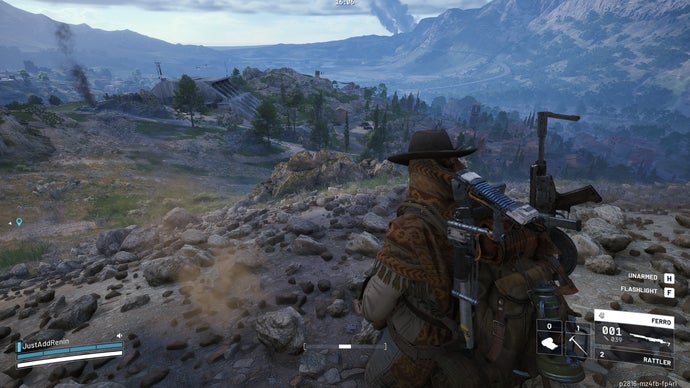
Arc Raiders plunges players into a future where humanity has been driven underground, scattered and struggling for survival against a relentless, enigmatic alien force known only as the “Horde.” You are an Arc Raider, a specialized operative tasked with venturing onto the desolate surface of Earth to scavenge for vital resources, secure critical intelligence, and ultimately push back against the encroaching darkness. The game’s narrative is subtly woven into its gameplay, with environmental storytelling, audio logs, and cryptic transmissions painting a picture of a world lost and a desperate fight for reclamation. This atmospheric approach to storytelling creates a persistent sense of unease and purpose, motivating players to push forward even when the odds seem insurmountable. The visual design is striking, with desolate, war-torn landscapes juxtaposed with advanced, yet often damaged, technological elements. The sheer scale of the environments is breathtaking, hinting at a world that was once vibrant and is now a grim testament to the ongoing conflict.
Core Gameplay Loop: Extraction, Risk, and Reward
At its heart, Arc Raiders is an extraction shooter. This means each mission is a self-contained experience where players drop into a procedurally generated or carefully crafted map, with the primary objective of completing a series of tasks before successfully extracting. The inherent tension in this loop stems from the fact that death carries significant consequences. When your Raider falls, you lose all the gear, weapons, and resources you’ve collected during that run. This single mechanic imbues every encounter with a weight and urgency that few other game types can replicate.
The gameplay is designed around cooperative play, typically with a squad of three players. Communication and coordination are paramount. Each Raider class, though not extensively detailed in early access, is expected to offer unique abilities and roles, encouraging a synergistic approach to tackling objectives. One player might be a skilled marksman providing suppressing fire, while another could be a scout gathering intel or a medic keeping the team alive. This emphasis on teamwork is crucial for success, as the Horde can quickly overwhelm unprepared squads.
The core objectives vary from mission to mission. Players might be tasked with reactivating dormant defenses, destroying alien infrastructure, collecting rare artifacts, or rescuing stranded survivors. These objectives often require navigating dangerous territories, overcoming waves of enemies, and solving environmental puzzles under duress. The variety of tasks ensures that no two missions feel entirely the same, and the strategic deployment of resources becomes a critical element of survival.
The Thrill of the Unknown: Encounters and Betrayal
The initial description of the Arc Raiders experience highlights a pivotal moment: the sting of betrayal. This element speaks to a deeper, more complex layer of gameplay that sets Arc Raiders apart from purely PvE extraction titles. While the primary antagonists are the alien Horde, the presence of other human players introduces an unpredictable and often dangerous variable.
In a game where you lose everything upon death, the temptation to betray fellow Raiders for personal gain—extra loot, a faster extraction, or simply survival—can be immense. The “don’t shoot” emotes and proximity chat described are early attempts at fostering cooperation, but the underlying mechanics of the genre inherently create opportunities for conflict. This dynamic adds a psychological layer to the experience. Do you trust the stranger who offers you a rare weapon? Is their helpfulness genuine, or a prelude to an ambush? This uncertainty, this constant dance between cooperation and potential conflict, is what makes extraction shooters so compelling. It’s a testament to Arc Raiders’ design that these moments of genuine camaraderie, like the shotgun drop and heat sink exchange, can feel so rewarding precisely because of the ever-present threat of duplicity. These interactions, whether positive or negative, forge memorable stories that extend beyond simple combat encounters.
Weaponry, Loadouts, and Progression: The Raider’s Arsenal
A cornerstone of any shooter, especially an extraction-based one, is its weaponry and progression system. Arc Raiders aims to deliver a satisfying array of firearms, ranging from familiar ballistic weapons to exotic energy-based alien technology. The customization and upgrade system for weapons will be crucial in allowing players to tailor their loadouts to their preferred playstyle and the demands of specific missions.
Heat sinks, mentioned in the context of workbench upgrades, suggest a crafting or enhancement system. This could involve improving weapon damage, accuracy, reload speed, or even adding special elemental effects. The ability to upgrade your workbench implies a persistent progression element, where investments made over multiple runs contribute to your overall capability. This provides a tangible sense of advancement, ensuring that even unsuccessful runs aren’t entirely in vain.
The loot system is inherently tied to the extraction mechanic. Players will find weapons, ammunition, armor components, crafting materials, and potentially rare artifacts scattered across the maps. The decision of what to carry, what to leave behind, and when to risk venturing further for better loot versus making a safe extraction is a constant strategic puzzle. The rarity of certain items, like the damaged heat sink, suggests a tiered loot system, rewarding exploration and successful completion of challenging objectives. The feeling of finding a powerful new weapon or a critical upgrade component is immensely satisfying, especially when you manage to extract it safely.
The Horde: A Multifaceted Threat
The Horde is not a monolithic entity. Early indications point towards a diverse range of alien creatures and robotic constructs, each with unique attack patterns, strengths, and weaknesses. Players will need to learn to identify and counter different enemy types, adapting their tactics on the fly. This could include agile, fast-moving units that flank the player, heavily armored brutes that soak up damage, or specialized units that deploy area-of-effect attacks.
The AI of the Horde will be a critical factor in the game’s difficulty and replayability. Intelligent enemy behavior, flanking maneuvers, and coordinated assaults will keep players on their toes and prevent matches from becoming predictable shooting galleries. The sheer volume of enemies that can be thrown at a squad in a concentrated assault is a hallmark of this genre, demanding players maintain situational awareness and utilize their abilities effectively to survive. The visual design of these alien threats will also play a significant role in establishing the game’s atmosphere, conveying the alienness and danger of the Horde.
Environmental Design and Exploration: A World to Conquer (and Survive)
The maps in Arc Raiders are more than just arenas for combat; they are intricate environments filled with opportunities for tactical play and secrets to uncover. From sprawling, desolate urban ruins to alien-infested wilderness, each map presents unique challenges and strategic considerations.
The procedural generation of certain map elements, combined with hand-crafted points of interest, ensures a high degree of replayability. Players will need to learn the general layouts and common enemy spawn points, but the specific placement of loot, objectives, and extraction zones will vary, keeping each run fresh.
Environmental interaction is likely to be another key feature. Players might be able to use the terrain for cover, trigger environmental hazards to their advantage, or find hidden pathways that allow for flanking maneuvers or evasive retreats. The hostile maps are not just backdrops; they are active participants in the gameplay, demanding respect and careful navigation. The atmospheric effects, such as weather patterns or hazardous zones, could further enhance the challenge and immersion. The sense of roaming the surface and discovering what lies beyond the next rise or within the next derelict building is a core part of the appeal.
Proximity Chat and Player Interaction: The Human Element
The inclusion of proximity chat in Arc Raiders is a bold and potentially brilliant design choice that significantly amplifies the emotional impact of the game. It transforms anonymous online encounters into something far more personal and unpredictable. Hearing another player’s voice, even for a brief moment, adds a layer of humanity and vulnerability that text chat simply cannot replicate.
This feature is crucial for fostering both cooperation and conflict. The ability to communicate in real-time with nearby players allows for spontaneous tactical coordination. Agreeing to cover each other, warning of incoming threats, or even making desperate pleas for help can lead to incredibly memorable moments.
However, as the prompt illustrates, proximity chat also opens the door to deception. A friendly voice can quickly turn into the sound of gunfire. The exchange of “don’t shoot” emotes followed by actual voice communication highlights the delicate trust that players must establish, and the potential for that trust to be shattered. This dynamic is central to the “sting of betrayal” and is a powerful tool for narrative immersion. It makes the decisions you make—who to trust, when to fight, when to flee—feel far more consequential. The unexpected generosity of a fellow raider, offering a rare item with no expectation of return, becomes even more poignant when juxtaposed against the constant threat of being backstabbed.
The Extraction Point: The Ultimate Goal
The extraction point is the lynchpin of the Arc Raiders gameplay loop. It is the safe haven, the beacon of hope, the culmination of your efforts. Reaching it successfully means securing your loot, your progression, and your survival. The journey to the extraction point is often the most perilous part of a mission. The Horde, sensing your impending escape, may throw everything they have at you. Furthermore, other players, aware of your impending extraction, might see you as a prime target for a desperate act of betrayal.
The urgency to reach an extraction point quickly and quietly is a feeling that defines the genre. It forces players to make calculated risks. Do you press on for that last piece of loot, or do you make a run for it? The tension escalates as the extraction timer ticks down, and the map may even introduce new threats or environmental hazards to impede your progress. The feeling of relief and accomplishment upon successfully extracting, especially after a harrowing mission, is immense. It’s a testament to the game’s design that such a simple objective can generate such profound emotional responses.
Potential for Longevity and Community Engagement
For Arc Raiders to achieve true success and outrank its competitors, it needs more than just compelling core gameplay. Longevity and community engagement will be paramount. This includes:
- Regular Content Updates: New maps, enemy types, weapons, and game modes will be essential to keep the player base engaged.
- Meaningful Progression Systems: Beyond gear upgrades, players will need long-term goals, such as cosmetic unlocks, mastery challenges, or narrative progression that rewards continued play.
- Competitive Integrity: Fair matchmaking, robust anti-cheat measures, and clear communication from the developers regarding balance and future plans will be vital for building trust with the community.
- A Thriving Community: Encouraging positive interactions, fostering content creation, and actively listening to player feedback will be key to building a dedicated fanbase.
The early signs suggest that Arc Raiders has the foundation for a deeply engaging and replayable experience. The blend of cooperative PvE against a formidable alien threat, combined with the unpredictable human element and the high-stakes extraction loop, creates a potent cocktail of action, strategy, and emergent storytelling. The moments of genuine camaraderie, the thrill of discovery, and the sharp sting of betrayal are all integral components that promise to make Arc Raiders a standout title in the extraction shooter genre.
Conclusion: A Promising Contender in the Extraction Shooter Arena
Ten hours into Arc Raiders, the feeling of betrayal’s sharp sting is not just a narrative anecdote; it’s a testament to the game’s ability to evoke powerful emotions and create deeply personal gaming experiences. The initial generosity of a fellow raider, the shared understanding facilitated by emotes and proximity chat, all build towards moments of vulnerability. Yet, it’s the inherent risk, the knowledge that when you die you lose everything you’re carrying, that amplifies both the joy of cooperation and the devastating impact of duplicity.
Arc Raiders masterfully balances the cooperative PvE experience with the unpredictable nature of player interaction. The mission to reach an extraction point quickly and quietly becomes a tense, white-knuckle race against time and an ever-present threat. The game doesn’t shy away from the darker aspects of player behavior, and in doing so, it creates a more compelling and authentic world.
The design choices, from the tactical importance of upgrading your workbench to the strategic use of damaged heat sinks, all contribute to a rich and rewarding gameplay loop. The hostile maps are not mere backdrops but dynamic environments that demand respect and adaptation. Encounters with the Horde are challenging and varied, requiring teamwork and strategic thinking. The potential for emergent narratives, born from the unpredictable interactions between players, is immense.
At Gaming News, we believe that Arc Raiders has the potential to not only compete but to outrank established titles in the extraction shooter genre. Its unique blend of atmospheric storytelling, challenging PvE combat, and the thrilling unpredictability of player interaction creates an experience that is both deeply rewarding and consistently engaging. We eagerly anticipate its full release and the further evolution of this promising sci-fi adventure. The journey of a Raider is fraught with peril, but for those brave enough to venture forth, the rewards—both tangible and experiential—are substantial.