Amazon’s Strategic Overhaul: A Deep Dive into the Video Game Division’s Restructuring Amidst Massive Job Cuts
In a significant corporate realignment, Amazon is reportedly undergoing a substantial restructuring that will see its burgeoning video game division drastically reduced. This move, part of a larger initiative to cut approximately 14,000 jobs across the company, signals a pivotal moment for Amazon’s ambitions in the highly competitive interactive entertainment market. The depth and breadth of these changes suggest a fundamental reevaluation of the company’s strategy and investment in gaming. At Gaming News, we are providing an in-depth analysis of this unfolding situation, examining the potential implications for the industry, its developers, and the vast community of gamers worldwide.
The scale of the reported job cuts within the video game division is particularly striking. While the overall figure of 14,000 layoffs represents a broad austerity measure across Amazon’s various sectors, the specific focus on its gaming arm indicates a strategic pivot. This is not merely a minor trimming of the fat; reports suggest a near “gutting” of resources and personnel dedicated to game development, publishing, and related ventures. This significant retrenchment raises critical questions about Amazon’s long-term commitment to becoming a major player in the video game landscape, a goal it has pursued with substantial investment and ambitious projects in recent years.
The Unfolding Layoffs: A Closer Look at Amazon’s Video Game Division
The Amazon Games division, established with the clear intent of capturing a significant share of the global gaming market, has seen considerable investment over the past decade. Initiatives ranged from the development of proprietary game engines and cloud gaming services like Amazon Luna to the acquisition of studios and the funding of ambitious original titles. The recent announcement of widespread layoffs, with a substantial portion impacting this division, marks a stark departure from this growth-oriented strategy.
Sources indicate that the cuts are not confined to a single studio or project but are rather a comprehensive streamlining effort. This suggests a critical review of the division’s operational efficiency, project viability, and overall return on investment. The goal, from a corporate perspective, is undoubtedly to optimize resources and align expenditures with more profitable ventures. However, for the dedicated teams within Amazon Games, this represents a period of immense uncertainty and significant professional disruption.
The impact of these layoffs extends beyond the immediate loss of employment for thousands of individuals. It sends ripples through the entire video game industry, affecting ongoing development, potential future projects, and the broader ecosystem of game studios and publishers. The strategic implications for Amazon’s position as a content creator and platform provider in the gaming sphere are profound.
Amazon Luna: Shifting Strategies for Cloud Gaming?
Amazon Luna, the company’s cloud gaming service, has been a key component of its gaming strategy. Launched with the promise of offering a seamless gaming experience across various devices without the need for high-end hardware, Luna has faced stiff competition from established players like Xbox Cloud Gaming and PlayStation Now. The recent organizational changes within Amazon’s gaming division inevitably raise questions about the future direction and investment in Luna.
Will the service see a reduction in its game library, a scaling back of its infrastructure, or a shift in its content acquisition strategy? The ability to deliver a compelling and cost-effective cloud gaming experience is paramount in a market characterized by rapid technological advancements and evolving consumer expectations. The reported restructuring may indicate a recalibration of Luna’s roadmap, focusing on more sustainable and profitable avenues, or potentially a more drastic reassessment of its market viability.
The integration of Luna with other Amazon services, such as Prime membership, has been a significant differentiator. However, the success of such integration hinges on a robust and appealing content offering. If the talent pool and development resources dedicated to securing and optimizing games for Luna are significantly diminished, it could directly impact the service’s appeal and competitive edge.
Internal Development Projects: A Reevaluation of Ambitious Titles
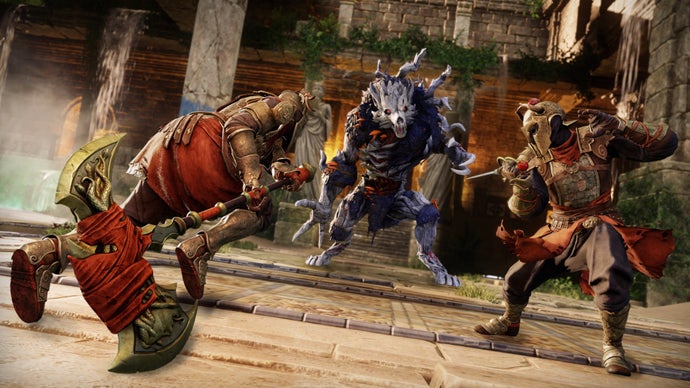
Amazon has invested heavily in developing original intellectual property and bringing ambitious titles to market. Projects like New World, a massively multiplayer online role playing game (MMORPG), and the highly anticipated Lord of the Rings: Gollum (though developed by Daedalic Entertainment and published by NACON, Amazon has had its own ventures in the LotR gaming space and has funded numerous other AAA projects) have represented significant undertakings. The current restructuring could lead to the cancellation of some of these ambitious projects or a significant scaling back of their development scope.
The development of AAA games is an inherently risky and resource-intensive endeavor. It requires substantial financial investment, a highly skilled workforce, and a significant amount of time. When projects fail to meet expectations, either critically or commercially, companies often reassess their future investments. For Amazon, which has faced mixed results with its internal game development efforts, this period of cutbacks could mean a pivot towards safer, more predictable revenue streams within the gaming sector, or a complete reassessment of its internal AAA development capabilities.
The potential cancellation of games in development carries significant consequences for the studios working on them and for the communities anticipating their release. It also represents a considerable financial loss for Amazon, underscoring the challenges of breaking into the highly competitive AAA game development market.
The Broader Impact on the Video Game Industry
Amazon’s substantial presence in the technology sector and its increasing forays into gaming have always been closely watched by the industry. The reported “gutting” of its video game division has far-reaching implications that extend beyond the company’s internal operations.
Talent Displacement and Studio Viability
The layoffs within Amazon Games will undoubtedly lead to a significant displacement of talent. Experienced game developers, designers, producers, and other specialists will be seeking new opportunities. This influx of skilled professionals could benefit other studios and publishers, potentially leading to a boost in talent availability for ongoing projects. However, it also represents a loss of institutional knowledge and specialized expertise that Amazon had cultivated.
Furthermore, the future of some of Amazon’s acquired studios remains uncertain. Companies like Double Helix Games and Amazon Game Studios Orange County were brought into the fold with the expectation of contributing to Amazon’s grand gaming vision. If the parent company significantly curtails its investment, the long-term viability of these studios, and the potential for future acquisitions, could be impacted. This could create a chilling effect on the acquisition market within the gaming industry, as smaller studios might become hesitant to be acquired by larger entities if there’s a perceived risk of their gaming divisions being dismantled.
Competitive Landscape and Market Dynamics
The video game market is fiercely competitive, with established players like Microsoft, Sony, and Nintendo, alongside a robust ecosystem of third-party publishers and independent developers. Amazon’s strategic retreat, or significant scaling back, from certain areas of gaming could reshape the competitive landscape.
If Amazon reduces its investment in game development and publishing, it could create opportunities for other companies to fill the void. This might involve increased investment in original IP by rivals, or a greater reliance on third-party developers to fill their content pipelines. The cloud gaming sector, in particular, will likely see increased focus from competitors seeking to solidify their market share if Amazon Luna’s momentum is significantly hampered.
Moreover, Amazon’s role as a major digital storefront and game distribution platform remains significant. While the cuts are reportedly focused on development and publishing, any broader strategic shifts could indirectly affect its retail operations within the gaming space. The relationship between publishers and platforms is crucial, and significant changes at a major platform holder like Amazon are always noteworthy.
The Future of Gaming Content and Innovation
The long-term consequences of Amazon’s reported decision could also impact the types of games that are developed and the innovation seen in the industry. When major players scale back or cancel projects, it can lead to a more conservative approach to game development across the board. Companies may prioritize proven genres and business models over experimental or ambitious new ventures.
The Lord of the Rings IP, for example, is incredibly valuable, and any disruption to its gaming ventures under Amazon’s umbrella could impact the future of interactive storytelling within that universe. Similarly, the drive for innovation in areas like VR/AR gaming, esports, and emerging gameplay mechanics could be influenced by the strategic decisions of major tech giants. If Amazon lessens its commitment to pushing boundaries in these areas, it might slow down the pace of innovation industry-wide.
Navigating the Shifting Sands of Amazon’s Gaming Ambitions
The recent reports regarding Amazon’s drastic cuts to its video game division paint a picture of a company undergoing a profound strategic reevaluation. While the full extent of these changes and their long-term consequences are yet to be fully understood, the implications for the global gaming industry are undeniable.
From the potential impact on cloud gaming services like Amazon Luna and the future of ambitious internal development projects to the broader effects on talent, competition, and the very nature of gaming content, this is a developing story that Gaming News will continue to monitor closely. The decisions made by entities as influential as Amazon have a ripple effect, shaping the landscape of interactive entertainment for years to come. As the dust settles on these significant layoffs, the industry will be watching to see how Amazon recalibrates its approach to gaming and what this means for the future of play. The resilience and adaptability of the gaming community and its developers will be tested, and the industry as a whole will need to navigate these shifts to continue its trajectory of growth and innovation.
The sheer scale of the reported job cuts, encompassing around 14,000 positions across the entire organization, signifies a period of intense introspection and potential recalibration for Amazon. Within this sweeping austerity measure, the specific and severe reduction in Amazon’s video game division warrants particular attention. This is not merely a minor adjustment but, as suggested by industry insiders and reporting, a near dismantling of its dedicated gaming endeavors. Such a drastic measure implies a critical reassessment of the division’s strategic importance, its financial performance, and its alignment with Amazon’s overarching corporate objectives. The company’s prior investments in game development, publishing, and cloud gaming infrastructure were substantial, indicating a clear ambition to establish a formidable presence in the lucrative and rapidly evolving video game market. The reported scaling back raises fundamental questions about the sustainability of these ambitions and the future role Amazon intends to play in interactive entertainment.
Detailed Examination of Amazon’s Gaming Ventures and Their Current Trajectory
The Amazon Games division was envisioned as a multifaceted entity, aiming to compete across various segments of the gaming industry. This included the development of original titles, the acquisition of established studios, and the creation of unique technological platforms. The reported layoffs suggest that a comprehensive review of these initiatives has taken place, leading to a significant pruning of operations.
The Future of Amazon Luna Cloud Gaming Service
Amazon Luna, the company’s foray into the increasingly important realm of cloud gaming, has been a central pillar of its gaming strategy. Launched with the promise of democratizing high-fidelity gaming by allowing users to stream titles across a range of devices without the need for expensive hardware, Luna has nonetheless faced considerable headwinds. The competitive landscape for cloud gaming is exceptionally crowded, with established giants like Microsoft’s Xbox Cloud Gaming and Sony’s PlayStation Plus Premium, alongside emerging players.
The reported restructuring within Amazon’s gaming division inevitably casts a shadow over Luna’s future. The extent to which resources, both human and financial, are being reallocated or reduced will directly impact Luna’s ability to compete. This could manifest in several ways: a potential reduction in the breadth and depth of the game library offered, a scaled-back investment in the underlying cloud infrastructure required to deliver a seamless experience, or a strategic shift in how content is acquired and curated for the service.
The integration of Luna with other Amazon services, particularly its ubiquitous Prime membership program, has been a key differentiator and a crucial element of its value proposition. However, the success of such integrations is heavily reliant on a compelling and continuously refreshed content offering. If the talent pool responsible for securing and optimizing games for Luna is significantly diminished, it could undermine the service’s appeal and its competitive standing. The company may opt for a more focused approach, perhaps concentrating on specific genres or leveraging exclusive Amazon intellectual property, to make Luna a more sustainable and profitable venture. The core challenge remains convincing a broad consumer base that cloud gaming is a viable and superior alternative to traditional gaming platforms.
Reassessing Ambitious Internal Game Development Projects
Amazon’s commitment to developing original intellectual property and bringing ambitious AAA titles to market has been a hallmark of its gaming division. Titles such as New World, an MMORPG that aimed to capture a significant share of the persistent online world genre, and its involvement with major licensed IPs, represented substantial investments in the creative and developmental aspects of gaming. The current organizational overhaul signals a potential reassessment of these high-stakes undertakings.
The development of AAA video games is an inherently complex and capital-intensive endeavor. It demands immense financial backing, a highly specialized and often large workforce, and a lengthy development cycle, often spanning several years. The path to market is fraught with challenges, and the reception of these games, whether critically or commercially, can significantly influence future investment decisions. For Amazon, which has experienced a spectrum of outcomes with its internal game development efforts, this period of widespread layoffs could indicate a strategic pivot away from such high-risk, high-reward ventures. The company might be inclined to prioritize more predictable revenue streams, or perhaps focus on supporting third-party developers rather than shouldering the full burden of internal AAA development.
The potential cancellation or significant scaling back of games in active development carries profound consequences. For the development teams involved, it means the abrupt cessation of their work, often leading to uncertainty and career disruption. For the gaming community, it signifies the loss of eagerly anticipated titles and potentially unique interactive experiences. Furthermore, the financial implications for Amazon, in terms of sunk costs and unrealized potential, are considerable. This situation underscores the formidable barriers to entry and sustained success in the AAA game development arena, even for entities with the vast resources of Amazon.
The Future of Amazon’s Studio Acquisitions and Third-Party Publishing
Over the years, Amazon has strategically acquired established game development studios, such as Double Helix Games and Amazon Game Studios Orange County, with the stated intention of bolstering its internal development capabilities. These acquisitions were designed to bring in experienced talent and proven development pipelines. However, the current wave of layoffs raises pertinent questions about the long-term strategic direction for these acquired entities.
If Amazon significantly reduces its overall investment in gaming, the future operational scope and even the continued existence of these acquired studios could be called into question. This uncertainty can have a chilling effect on the broader market for studio acquisitions. Smaller, independent developers might become more hesitant to be acquired by larger corporations if there is a perceived risk that their gaming divisions could be drastically reshaped or dismantled in subsequent corporate restructurings. Such a trend could dampen M&A activity within the gaming sector and impact the growth trajectories of numerous studios.
Furthermore, Amazon has also operated as a publisher, supporting external development teams. The recalibration of its gaming division might affect its willingness or capacity to engage in third-party publishing deals. This could create challenges for independent developers who rely on publishers for funding, marketing, and distribution support. The overall landscape for game funding and development support could shift if a major player like Amazon reduces its presence in this area, potentially leading to a greater reliance on existing publishers or alternative funding models.
Broader Ramifications for the Global Video Game Industry Ecosystem
Amazon’s influence extends beyond its direct involvement in game development and publishing. As a dominant force in e-commerce and cloud computing, its strategic decisions within the gaming sector can have far-reaching implications for the entire industry ecosystem.
Talent Market Dynamics and Brain Drain/Gain
The substantial layoffs within Amazon’s video game division will inevitably lead to a significant influx of skilled professionals into the broader job market. This includes highly experienced game designers, programmers, artists, producers, and other specialized roles. Such a talent surplus could present an opportunity for other game studios and publishers, potentially enabling them to fill critical positions and accelerate their own development pipelines. This influx could lead to a “brain gain” for studios that are able to attract and retain this displaced talent.
However, this also represents a substantial loss of institutional knowledge and specialized expertise that Amazon had painstakingly cultivated within its gaming division. The unique internal processes, proprietary technologies, and project-specific insights developed over years of operation are not easily replicated. The impact of this talent displacement will be felt across the industry, potentially leading to shifts in team compositions and skill sets at competing organizations. The ability of other companies to absorb this talent effectively will be a key factor in mitigating the negative consequences of these layoffs.
Competitive Positioning and Market Share Shifts
The video game market is characterized by intense competition, with established titans such as Microsoft, Sony, and Nintendo, alongside a vibrant and diverse ecosystem of third-party publishers and independent developers. Amazon’s reported scaling back or strategic retreat from certain facets of the gaming industry could indeed reshape the competitive landscape.
If Amazon diminishes its investment in game development and publishing, it may create openings for other entities to expand their market share and influence. This could translate into increased investment in original intellectual property by rivals, or a greater reliance on third-party developers to populate their content offerings. The cloud gaming sector, in particular, stands to be significantly affected. If Amazon Luna experiences a substantial reduction in momentum or investment, competitors will likely intensify their efforts to solidify their positions and capture market share.
Moreover, Amazon’s role as a major digital storefront and game distribution platform remains a critical component of the gaming ecosystem. While the current reports focus on development and publishing, any broader strategic shifts within the company could indirectly influence its retail operations within the gaming sphere. The intricate relationships between game publishers and the platforms that distribute their products are fundamental to the industry’s economic health. Consequently, significant alterations in the strategy of a major platform holder like Amazon are always met with keen interest and careful observation by all industry stakeholders.
Influence on Gaming Content Innovation and Future Trends
The long-term repercussions of Amazon’s reported strategic decisions could also exert a significant influence on the types of games that are developed and the pace of innovation witnessed within the industry. When major industry players scale back their ambitions, or cancel significant projects, it can sometimes foster a more conservative approach to game development across the sector. Companies might become more inclined to prioritize established genres and proven business models over experimental or highly ambitious new ventures, potentially stifling groundbreaking creativity.
The legacy of Lord of the Rings, for instance, is an IP of immense cultural and commercial value. Any disruption to the gaming ventures associated with this franchise under Amazon’s umbrella could have a noticeable impact on the future of interactive storytelling within that beloved universe. Similarly, the ongoing drive for innovation in emergent areas such as virtual reality (VR) gaming, augmented reality (AR) experiences, the burgeoning field of esports, and the exploration of novel gameplay mechanics could be indirectly affected by the strategic choices made by major technology conglomerates. If Amazon reduces its commitment to pushing the boundaries in these forward-looking domains, it might inadvertently slow the overall pace of technological and creative advancement throughout the gaming industry.
Conclusion: Navigating the Evolving Landscape of Amazon’s Gaming Ambitions
The recent disclosures regarding Amazon’s significant reduction in its video game division signal a period of intense introspection and strategic recalibration for the technology giant. While the complete ramifications of these extensive layoffs are yet to fully manifest, the implications for the global video game industry are undoubtedly profound and far-reaching.
From the potential impact on the future trajectory of cloud gaming services like Amazon Luna, the uncertainty surrounding ambitious internal game development projects, to the broader societal effects on talent acquisition and retention within the industry, this is a dynamic situation that Gaming News is committed to monitoring with meticulous detail. The strategic decisions enacted by entities as influential and globally impactful as Amazon possess the inherent capacity to shape the landscape of interactive entertainment for years to come. As the immediate aftermath of these significant organizational adjustments unfolds, the entire industry will be observing closely to ascertain how Amazon intends to redefine its approach to gaming and what this signifies for the future of interactive play. The inherent resilience and adaptive capacity of both the gaming community and its dedicated developers will undoubtedly be tested, and the industry as a whole will need to navigate these evolving dynamics to sustain its remarkable trajectory of growth, innovation, and creative expression. The commitment to delivering exceptional gaming experiences remains paramount, and the industry’s ability to adapt to such significant shifts will be a testament to its enduring strength and ingenuity.