Amazon’s Sweeping Layoffs: 14,000+ Job Cuts, Significant Impact on Gaming Division
In a development that has sent ripples of concern throughout the technology and gaming industries, Amazon, the e-commerce and cloud computing behemoth, has announced a substantial workforce reduction, affecting over 14,000 employees globally. This wave of layoffs, detailed in a recent report, is particularly impactful as it includes significant role reductions within Amazon’s burgeoning gaming division. This strategic realignment comes as the company sharpens its focus, aiming to streamline operations, reduce bureaucracy, and aggressively pivot towards emerging technologies, most notably Artificial Intelligence (AI).
A Broad Corporate Restructuring: Understanding the Scale of Amazon’s Reductions
The sheer magnitude of Amazon’s recent workforce reduction is undeniable. The figure of over 14,000 individuals represents one of the largest single-company layoffs in recent corporate history, signaling a period of significant introspection and strategic recalibration for the tech giant. This decision, according to senior vice president of people experience and technology Beth Galetti, is a direct consequence of Amazon’s commitment to enhancing its operational efficiency and strategic focus. In a communication shared with employees, Galetti articulated the rationale behind these difficult choices, emphasizing a drive to “get even stronger by further reducing bureaucracy, removing layers, and shifting resources to ensure we’re investing in our biggest bets and what matters most to our customers’ current and future needs.”
This restructuring is not merely a superficial trim; it signifies a deep dive into the organizational structure of the company. The emphasis on “reducing bureaucracy” and “removing layers” suggests a move towards a more agile and decentralized operational model. This approach aims to empower teams with greater ownership and accountability, thereby accelerating decision-making processes and fostering a more dynamic work environment. While the statement acknowledges that some areas will see reductions while others will experience hiring, the overall reduction in the corporate workforce of approximately 14,000 roles underscores the profound nature of this organizational shift.
Amazon Gaming Division Faces “Significant Role Reductions”: A Deep Dive into the Impact
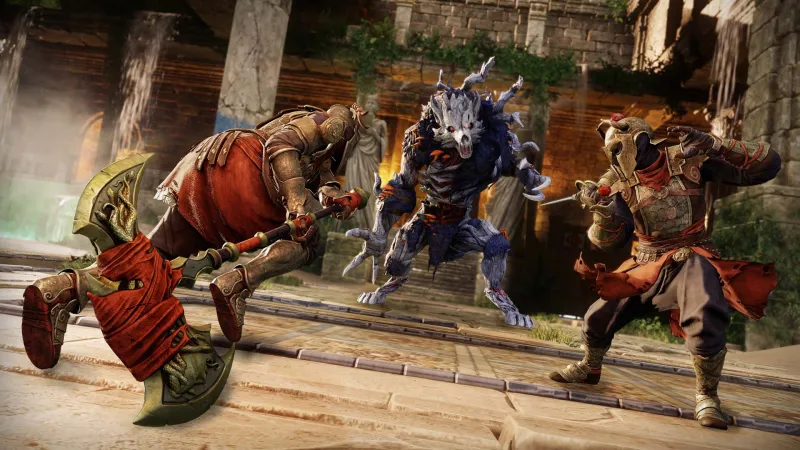
The gaming sector within Amazon, a division that has invested heavily in ambitious titles such as the massively multiplayer online (MMO) game New World and the popular Korean MMORPG Lost Ark, is not immune to these widespread cuts. The announcement explicitly mentions “significant role reductions” within its gaming divisions. This phrasing suggests that the impact on this particular segment of Amazon’s business is substantial and targeted. While specific details regarding which studios or projects have been most affected remain somewhat opaque at this juncture, the broad nature of the statement indicates a comprehensive review of the division’s structure and strategic direction.
Amazon’s foray into game development and publishing has been characterized by ambitious undertakings. The success of titles like Lost Ark, which garnered significant player interest, and the continued development of New World, albeit with its own set of challenges and player reception, demonstrate Amazon’s commitment to establishing a strong presence in the competitive gaming market. However, the current layoffs suggest a potential reassessment of its gaming portfolio and development strategy. The mention of reducing its “video game output in the MMO space” is a particularly noteworthy point, indicating a strategic pivot away from or a scaling back of efforts in this genre that requires substantial long-term investment and player engagement.
The Transformative Power of AI: Amazon’s Strategic Pivot and Its Implications
Central to Amazon’s stated rationale for these significant workforce adjustments is its unwavering belief in the transformative power of Artificial Intelligence (AI). Beth Galetti’s letter highlights AI as “the most transformative technology we’ve seen since the internet,” a bold assertion that underscores the company’s strategic vision. This perspective positions AI not merely as an incremental technological advancement but as a foundational shift that will redefine business operations across all sectors, including e-commerce, cloud computing, and, crucially, gaming.
Amazon’s embrace of AI is not limited to its operational backend; it extends to how it envisions future product development and customer engagement. For the gaming division, this could translate into leveraging AI for game development tools, player experience enhancements, content generation, and even personalized gameplay. The company’s conviction that “we need to be organized more leanly, with fewer layers and more ownership, to move as quickly as possible for our customers and business” strongly suggests that AI will play a pivotal role in driving this newfound agility. By integrating AI more deeply into its workflows, Amazon aims to achieve greater efficiency, unlock new creative possibilities, and maintain a competitive edge in a rapidly evolving technological landscape.
The implications of this AI-centric strategy for the gaming division are multifaceted. It could mean a shift in hiring priorities, with a greater demand for AI specialists, machine learning engineers, and data scientists. Simultaneously, roles that are perceived as less critical in an AI-augmented environment may be subject to reduction. This strategic reallocation of resources towards AI is a clear indicator of Amazon’s long-term vision, where human ingenuity is augmented by the computational power and predictive capabilities of advanced artificial intelligence.
Navigating the Uncharted Waters: Impact on Specific Amazon Game Studios
As of the latest reports, the precise studios under the Amazon Games umbrella that have borne the brunt of these layoffs remain largely undisclosed. This ambiguity, while understandable from a corporate communication standpoint, leaves many in the gaming community and those directly affected in a state of uncertainty. The heart of Game Informer (or in this context, Gaming News) goes out to all individuals impacted by these widespread reductions. The human element of these corporate decisions cannot be overstated, and the talent and dedication of those affected deserve recognition.
Amazon Games operates several development studios, each contributing to the company’s diverse gaming portfolio. These include studios like Amazon Game Studios Seattle, Amazon Game Studios Orange County, and Amazon Game Studios Montreal, among others. Each of these entities has been instrumental in the development of titles that have captured the attention of players worldwide. For instance, the development of New World, a robust and complex MMO, required the collaborative efforts of many skilled individuals across various disciplines. Similarly, the successful launch and ongoing support of Lost Ark, in partnership with Smilegate RPG, demonstrate the team’s capability in managing and delivering high-quality gaming experiences.
The “significant role reductions” could manifest in various ways: project cancellations, a slowdown in the development of certain games, a consolidation of studios, or a strategic pivot in the types of games being pursued. The focus on reducing MMO output specifically suggests that future projects might lean towards different genres or adopt a different approach to game development and monetization. It is plausible that studios heavily invested in large-scale MMO development may have experienced more pronounced cuts. Conversely, studios focused on emerging technologies or areas aligned with Amazon’s AI ambitions might see continued investment or even growth.
The Broader Economic Landscape: Layoffs as a Symptom of a Shifting Market
It is crucial to view Amazon’s extensive layoffs within the broader context of the current economic climate and the technology sector’s evolving landscape. While Amazon’s decision is an internal strategic move, it is not an isolated incident. Numerous major technology companies have announced significant workforce reductions in recent months, indicating a widespread recalibration in the industry. Factors such as post-pandemic economic adjustments, rising inflation, increased interest rates, and a general cooling of the hyper-growth phase experienced during the early years of the COVID-19 pandemic have contributed to this trend.
The gaming industry, in particular, has seen a surge in investment and growth over the past few years. However, this rapid expansion also brings its own set of challenges, including increased competition, the rising cost of development, and evolving player expectations. Companies are now under pressure to demonstrate profitability and sustainable growth, leading to a more scrutinizing approach to investments and a greater emphasis on efficiency. Amazon’s decision, therefore, can be seen as a response to these market pressures, coupled with its own internal strategic imperatives.
The “significant role reductions” in Amazon’s gaming division could also be a signal of market saturation or a shift in consumer demand. While MMOs have a dedicated player base, their development and ongoing maintenance are incredibly resource-intensive, and success is not guaranteed. Amazon may be re-evaluating its investment strategy in this space, seeking to allocate resources to areas with potentially higher or more immediate returns. The focus on AI further suggests a forward-looking approach, anticipating how future entertainment experiences will be shaped by advanced technology.
Looking Ahead: Amazon’s Evolving Vision for Gaming and Technology
The announcement of these layoffs marks a pivotal moment for Amazon Games. It signals a transition from an era of aggressive expansion and broad investment to one of more focused execution and strategic adaptation. The company’s commitment to AI as a transformative technology is not just about improving existing processes; it’s about fundamentally rethinking how products are created, delivered, and experienced. For the gaming division, this could mean a future where AI plays a more integrated role in game design, player support, and even the creation of entirely new forms of interactive entertainment.
The reduction of bureaucracy and layers is intended to foster a more dynamic and responsive organization. This leaner structure, powered by AI, could enable Amazon Games to innovate more rapidly and adapt to the ever-changing demands of the global gaming market. While the immediate impact of layoffs is undoubtedly challenging for those affected, the long-term vision articulated by Amazon suggests a commitment to a future where technology and human expertise collaborate to create groundbreaking experiences.
The future of New World, Lost Ark, and other Amazon-backed gaming ventures will likely be shaped by these strategic decisions. Players and industry observers will be keenly watching how Amazon Games navigates this period of transition. The focus on AI, coupled with a leaner operational model, presents both challenges and opportunities. It is a clear indication that Amazon is not shying away from bold decisions in its pursuit of continued leadership in the technology and entertainment sectors. The company’s ability to effectively leverage AI and foster a more agile organizational structure will be critical in determining its future success in the competitive world of gaming and beyond. The journey ahead for Amazon Games, while marked by recent difficult decisions, is undoubtedly geared towards a future heavily influenced by innovation and technological advancement.