Rockstar North Faces Intense Scrutiny: Developers Speak Out on Allegations of Union-Busting Amidst GTA 6 Development
The highly anticipated development of Grand Theft Auto 6 (GTA 6) has been cast under a shadow of controversy, as Rockstar Games faces serious allegations of union-busting tactics following the sudden dismissal of dozens of its UK-based employees. This significant event has galvanized the IWGB Game Workers union and brought the spotlight onto the working conditions and employee rights within one of the most successful video game development studios in the world. The fallout from these firings, which occurred with little prior warning, has sparked widespread protests and legal challenges, demanding accountability from Rockstar North and its parent company.
Sudden Dismissals and Accusations of Misconduct
Last week marked a seismic shift in the atmosphere at Rockstar Games’ UK studios. In a move that has been widely condemned by worker advocacy groups, Rockstar Games abruptly terminated the employment of 31 UK-based workers, alongside three Canadian employees. The initial justifications provided for these dismissals were broadly categorized as “gross misconduct.” However, this explanation was swiftly followed by a more specific, yet still contested, reason: the alleged act of sharing “confidential information on a public forum.”
This reasoning has been met with significant skepticism, particularly from the IWGB Game Workers union, which represents all the affected employees in the UK. According to the union, the dismissals were not a consequence of genuine policy breaches but rather a calculated effort to dismantle nascent unionizing efforts within the company. This assertion positions the firings as a direct act of retaliation against employees seeking to collectively bargain for improved working conditions, fairer compensation, and a more sustainable work environment. The union’s stance is that Rockstar Games is actively suppressing the formation of a union, a right increasingly being recognized and fought for within the video game industry.
The IWGB Game Workers Union’s Response and Legal Action
The IWGB Game Workers union has been at the forefront of the response to these dismissals. From the moment the news broke, the union has been unwavering in its support for the affected employees. They have not only publicly denounced Rockstar Games’ actions but have also taken concrete steps to challenge the legality and fairness of the terminations.
Central to their strategy is the launch of legal proceedings aimed at the reinstatement of all affected UK-based employees. This legal avenue seeks to hold Rockstar Games accountable for what the union describes as an illegal and unethical dismissal of workers for exercising their right to organize. The union’s legal team is meticulously building a case that demonstrates the discriminatory nature of the firings, arguing that the purported reasons for dismissal are pretexts for preventing unionization.
Beyond the courtroom, the IWGB has also been instrumental in organizing protests and demonstrations to raise public awareness and apply pressure on Rockstar Games. These events serve a dual purpose: to show solidarity with the dismissed workers and to send a clear message to the wider industry about the importance of worker rights. The union’s activism underscores a growing movement within the gaming sector for greater worker protections and a more equitable power dynamic between employers and employees.
Protests in Edinburgh: A Glimpse into the Developer Uprising
The atmosphere outside Rockstar North’s offices in Edinburgh last week was a potent mix of defiance and hope. As reported, a protest, though perhaps modest in size, was undeniably spirited and impactful. The chants echoing through the streets were clear and resonant: “Say sorry, be nice, stand up for worker’s rights.” These slogans encapsulate the core demands of the protesting developers: an acknowledgment of wrongdoing, a commitment to respectful treatment, and a fundamental respect for their rights as workers.
The presence of local politicians at the demonstration highlighted the growing political significance of these labor disputes. Their attendance signals a recognition by elected officials that the issues raised by the IWGB extend beyond the company’s internal affairs and touch upon broader societal concerns regarding labor law and corporate responsibility.
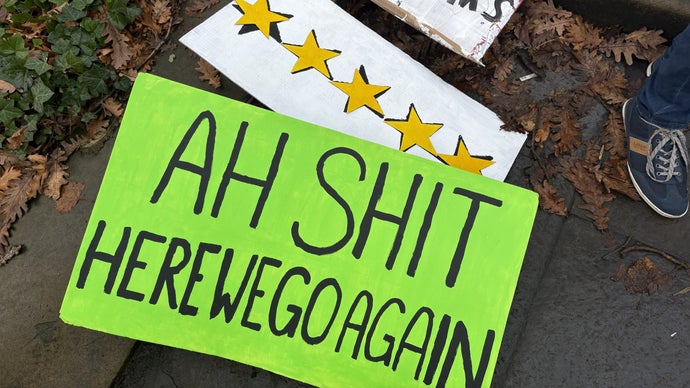
Perhaps most striking were the creative GTA-themed signs that adorned the protest. These signs cleverly integrated elements of the beloved Grand Theft Auto franchise into their messages, making the demonstrations visually arresting and thematically relevant. One particularly poignant example was a sign featuring the game’s iconic five-star wanted system. Initially, only two of the five stars were filled in yellow, symbolizing a nascent but growing concern. By the time the observer departed, the sign was completely filled in, a powerful visual metaphor for the escalating solidarity and mounting pressure on Rockstar Games. This transformation from a partially visible issue to a fully realized outcry speaks volumes about the momentum behind the worker’s movement.
The Shadow of “Union-Busting” in the Gaming Industry
The events at Rockstar Games are not isolated incidents but rather symptomatic of a larger, more pervasive issue within the video game development industry. For years, the industry has been characterized by demanding crunch periods, intense project pressures, and a perceived lack of robust worker protections. This has led to a growing desire among developers to organize and collectively address these systemic challenges.
The term “union-busting” carries significant weight, implying deliberate and often underhanded tactics employed by employers to prevent or undermine unionization efforts. These tactics can range from overt intimidation and discriminatory firings, as alleged by the IWGB, to more subtle strategies such as promoting a company culture that discourages collective action or offering incentives for individual bargaining that bypasses union representation.
The IWGB Game Workers union is a relatively new but increasingly influential force in this landscape. By organizing developers across various studios, they aim to shift the balance of power and establish a more secure and equitable future for the game development workforce. Their fight against Rockstar Games represents a critical battleground in this ongoing struggle for workers’ rights in the digital age.
Rockstar North’s Reputation and the Impact of Controversy
Rockstar North, the studio behind the groundbreaking Grand Theft Auto series, has long enjoyed a reputation for developing some of the most critically acclaimed and commercially successful video games ever created. The studio’s commitment to pushing the boundaries of interactive entertainment has garnered them a global following and immense respect within the industry.
However, this latest controversy poses a significant threat to that carefully cultivated image. Allegations of union-busting can tarnish a company’s brand, impacting not only its public perception but also its ability to attract and retain top talent. In an industry where creative professionals are highly sought after, a reputation for mistreating employees can be particularly damaging.
The development of GTA 6, an eagerly awaited title with astronomical expectations, is now intertwined with this labor dispute. The success of this flagship project could be jeopardized if the internal turmoil leads to decreased morale, talent exodus, or prolonged legal battles. Investors and stakeholders will also be closely watching how Rockstar Games navigates this crisis, as it could have tangible financial implications.
The Power of Collective Action: Voices from the Picket Line
The voices emanating from the picket line outside Rockstar North are those of individuals who have dedicated their skills and passion to creating some of the world’s most beloved games. Their grievances are not simply about individual job losses but about fundamental principles of fair treatment, respect, and the right to organize.
These developers are speaking out about their experiences, shedding light on what they perceive as a culture of fear and intimidation that discourages open dialogue and collective action. They are articulating a vision for a gaming industry where creators are valued not just for their output but for their well-being and their fundamental rights as employees.
The GTA-themed signs serve as a powerful reminder of the creative talent housed within Rockstar Games. It is this same creativity and ingenuity that has fueled the success of their franchises, and it is this very talent that is now being mobilized in the fight for better working conditions. The progression of the five-star sign from two to five stars powerfully illustrates how a seemingly contained issue can escalate into a full-blown movement when left unaddressed. It signifies the growing awareness, the increasing solidarity, and the complete mobilization of those affected and their allies.
Looking Ahead: The Future of Developer Rights in Gaming
The current situation at Rockstar Games serves as a critical juncture for the video game industry. The outcomes of the IWGB’s legal challenges and the ongoing public pressure will undoubtedly have ripple effects across other development studios.
This moment underscores the growing momentum behind the game worker rights movement. Developers worldwide are becoming more vocal about their experiences and are actively seeking ways to improve their working conditions. The success of unionization efforts at other companies within the broader tech and entertainment sectors could serve as a blueprint and inspiration for those in the gaming industry.
The debate around union-busting and employee rights in game development is far from over. The intensity of the current situation, fueled by the global anticipation for GTA 6 and the powerful symbolism of the protests, suggests that this conflict will continue to be a focal point for discussions about the future of work in the creative technology sector.
The public, increasingly aware of the human cost behind the entertainment they consume, is becoming more attuned to the importance of ethical labor practices. The ongoing narrative surrounding Rockstar Games and its employees will be a crucial test case, potentially setting new precedents for worker protections and corporate accountability within one of the world’s most dynamic and influential industries. The continued dedication of developers to their craft, combined with the unwavering resolve of unions like the IWGB, points towards a future where the creators of our favorite virtual worlds can do so under conditions that are both creatively fulfilling and ethically sound. The solidarity shown, symbolized by the escalating stars on a GTA-themed sign, indicates a growing collective voice demanding change, a voice that can no longer be ignored. The world is watching how Rockstar Games will respond to this significant challenge to its labor practices, and the implications for the entire gaming industry are profound.