Battlefield’s Identity Crisis: Are Players Receiving a ‘CoD Clone’ with REDSEC’s Rise?
The recent launch of REDSEC, the free-to-play battle royale component of the latest Battlefield installment, has ignited a firestorm of debate within the long-standing Battlefield community. While the allure of a new, accessible entry point into the franchise is undeniable, many dedicated players of the full-priced Battlefield 6 title feel a profound sense of disappointment, bordering on betrayal. This discontent stems from a perceived shift in development focus and branding that many liken to a “bait and switch” tactic by Electronic Arts (EA), drawing parallels to the evolution of the Call of Duty franchise and its free-to-play juggernaut, Warzone.
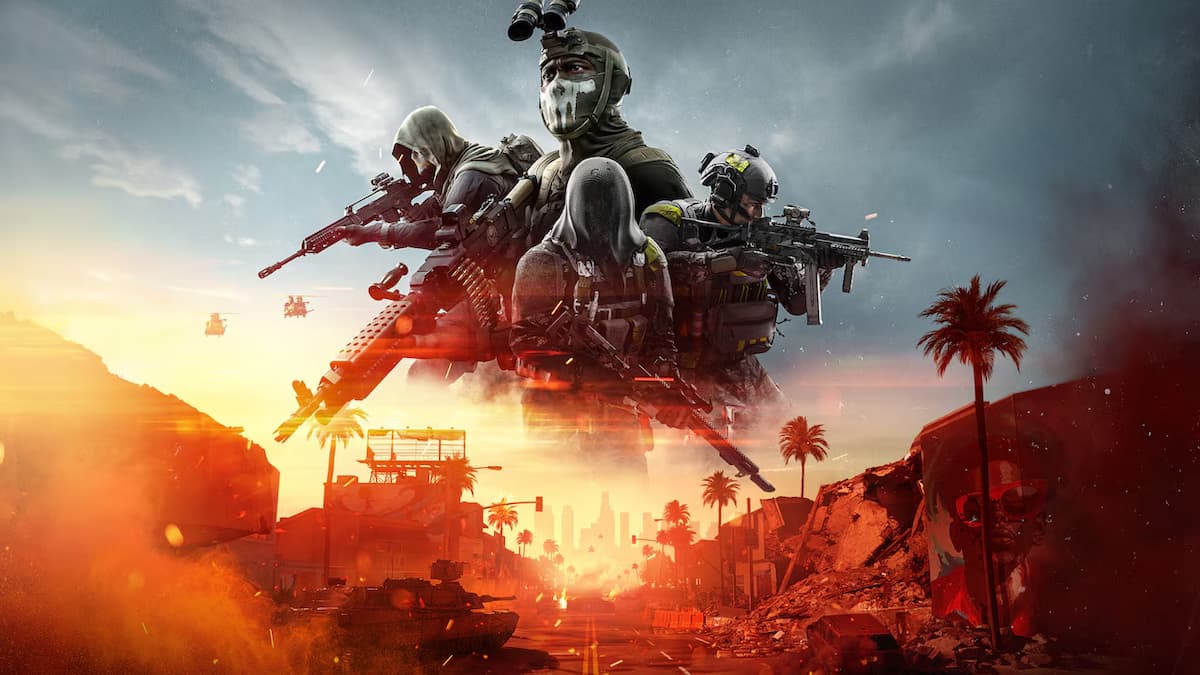
The sentiment is palpable on platforms like Reddit, where a significant outcry has emerged. One vocal player articulated a sentiment echoed by many: Battlefield 6 is being perceived not as a return to the tactical, large-scale warfare that defined the series, but rather as a Call of Duty game wearing a Battlefield skin. This player specifically cited the game’s initial branding and marketing, which promised a nostalgic return to the beloved gameplay loops of BF3 and BF4, as a stark contrast to the current trajectory. The initial key art, featuring four anonymous soldiers silhouetted against dramatic backdrops, evoked a sense of being a small cog in a massive, chaotic war machine. This grounded, mature aesthetic, many argue, has been hastily replaced by a more bombastic, stylized presentation that feels disingenuously familiar to fans of competing franchises.
The Shifting Sands of Battlefield’s Visual Identity
The player’s observation regarding the branding shift is particularly poignant. They noted that after a mere 18 days of what felt like a more grounded, “all-out war” atmosphere, the promotional material for REDSEC began to adopt a visual language heavily influenced by Call of Duty. This abrupt change in tone and style has led to accusations that EA is prioritizing the immediate revenue potential of a free-to-play model and its associated microtransactions over the long-term vision and established identity of the core Battlefield experience.
This perception of an aesthetic and thematic convergence with Call of Duty is not an isolated incident. Numerous players have chimed in on online forums, expressing their frustration. The user interface, menu design, and even the general “feel” of the game, particularly within the REDSEC mode, are frequently described as being “the EXACT copy of CoD/Warzone.” This lack of distinctiveness is a source of deep annoyance for those who have invested years, and significant financial resources, into the Battlefield franchise specifically for its unique offerings. The argument is simple: if a player desired the Call of Duty experience, they would simply play Call of Duty or Warzone. The expectation was for a genuine Battlefield evolution, not a derivative experience that sacrifices its own identity in pursuit of broader market appeal.
The “Bait and Switch” Accusation: Unpacking Player Discontent
The term “bait and switch” is a serious accusation in the gaming industry, implying that a product was advertised or marketed with certain features or qualities that were later deliberately altered or diminished. In the context of Battlefield 6 and REDSEC, this sentiment arises from the perceived divergence between the initial promises and the current reality. Players who were drawn in by the prospect of a return to classic Battlefield gameplay – characterized by its emphasis on team coordination, strategic vehicle combat, and large-scale map destruction – feel that their expectations have been unmet.
The introduction of REDSEC as a free-to-play battle royale mode, while seemingly a strategic move to capture a wider audience, has inadvertently highlighted this perceived shift. The battle royale genre, particularly its most popular iterations like Warzone, often thrives on rapid iteration, constant content drops, and a monetization model heavily reliant on cosmetic items and battle passes. When the core Battlefield 6 experience begins to emulate these characteristics, or when the spotlight visibly shifts away from the premium title towards its free counterpart, long-time players naturally feel that the original promise has been compromised. They feel as though the focus has been diluted, and the unique Battlefield DNA is being diluted in favor of a more universally appealing, albeit less distinctive, formula.
Analyzing the Influence of Warzone and Call of Duty
The similarities between REDSEC and Warzone extend beyond superficial visual elements. There are often shared gameplay mechanics, pacing, and even sound design cues that create a sense of déjà vu for players familiar with Activision’s flagship shooter. This is particularly frustrating for those who have experienced the evolution of Call of Duty over the past decade, witnessing its own gradual shift towards more aggressive monetization and a focus on live-service elements. The irony, for some, is that Battlefield now appears to be adopting the very strategies that have drawn criticism to Call of Duty in the past.
The “return to form” marketing for Battlefield 6 specifically resonated with a segment of the player base that felt alienated by previous entries. This audience craved the depth, scale, and strategic complexity that they remembered from games like Battlefield 3 and Battlefield 4. The initial presentation of Battlefield 6 seemed to acknowledge this desire, hinting at a deliberate effort to recapture that magic. However, the subsequent emphasis on REDSEC, with its more arcade-like approach and its direct stylistic kinship with Warzone, has left many feeling that this promise has been abandoned or at least significantly de-prioritized. The fear is that the development resources and creative energy that could have been dedicated to refining and expanding the core Battlefield 6 experience are instead being channeled into the free-to-play battle royale mode, a mode that, while popular, represents a departure from the series’ traditional strengths.
Player Sentiment: A Divided Battlefield
It is important to acknowledge that the Battlefield community is not monolithic, and opinions on the direction of the franchise are varied. While the criticisms leveled against EA’s approach are significant and vocal, there are also players who find REDSEC to be an enjoyable experience and do not perceive the same level of concern. Some argue that the core gameplay of Battlefield 6 remains intact and that the introduction of a free-to-play mode is simply a business strategy to broaden the franchise’s appeal. These players may feel that the concerns about identity and branding are overblown or that the focus on REDSEC does not necessarily detract from the core Battlefield experience.
However, the sheer volume and intensity of the negative feedback suggest a substantial portion of the dedicated player base feels marginalized. The statistics, while showing a healthy player count overall (over 400,000 concurrent players on Steam at the time of writing), do not differentiate between players engaging with the premium Battlefield 6 experience and those primarily playing the free REDSEC mode. This aggregate data, therefore, does not fully capture the nuanced sentiment within the community. Steam reviews for REDSEC are currently “Mixed,” a clear indication that it has not achieved universal acclaim, whereas Battlefield 6 itself holds a “Mostly Positive” rating, suggesting that the core game, in isolation, fares better with critics. This divergence in review scores between the two components of the same franchise further fuels the narrative of a divided focus and a potential compromise of quality for the premium product.
The Economics of Free-to-Play and its Impact on Core Titles
The shift towards free-to-play models, particularly in the battle royale space, has become a dominant force in the gaming industry. Titles like Fortnite, Apex Legends, and Warzone have demonstrated the immense profitability and player engagement achievable through this model. For publishers like EA, the allure of a constant revenue stream from microtransactions, battle passes, and cosmetic items is a powerful incentive. This economic reality often leads to decisions that prioritize the growth and monetization of free-to-play components, sometimes at the expense of the paid, full-priced titles that form the foundation of the franchise.
For players who have supported Battlefield for years, this trend can feel disheartening. They may see the core game as a means to an end – a gateway to a more lucrative free-to-play experience – rather than the primary focus of development. The argument that Battlefield 6 is becoming a “Call of Duty game wearing a Battlefield skin” is not just about aesthetics; it’s about the perceived erosion of the franchise’s unique identity and gameplay philosophies in favor of a more generic, widely appealing, and ultimately, more profitable formula. This is the crux of the “bait and switch” concern: players were promised a return to Battlefield’s roots, but instead, they are experiencing what feels like a deliberate pivot towards a model heavily influenced by its most successful competitor, potentially sacrificing what made Battlefield special in the first place.
Looking Ahead: Can Battlefield Reclaim its Identity?
The current situation presents a critical juncture for the Battlefield franchise. While REDSEC may succeed in attracting new players and generating revenue, the alienation of the core fanbase poses a significant risk. The community’s desire for a distinct Battlefield experience, characterized by its strategic depth, vehicular warfare, and large-scale destruction, remains strong. Whether EA can successfully navigate the pressures of the free-to-play market while simultaneously preserving and nurturing the unique identity of Battlefield will be a key determinant of the franchise’s long-term health and success.
Players are watching closely, hoping for a course correction that reaffirms the values and gameplay that have defined Battlefield for generations. The fear of becoming a mere echo of Call of Duty or Warzone is a potent one, and EA faces the significant challenge of demonstrating that Battlefield can indeed thrive as its own distinct entity, offering a compelling and authentic experience that resonates with its loyal player base, while also embracing new avenues for growth and engagement. The coming months will reveal whether the perceived “bait and switch” is a temporary strategic shift or a fundamental redefinition of what it means to be Battlefield.