8 Essential Digital-Only PS3 Games That Still Shine Today
The PlayStation 3 era, a period of significant transition and innovation in the gaming landscape, gifted us with a plethora of unforgettable experiences. While the console’s physical library is vast and revered, a deeper dive reveals a treasure trove of digital-only gems that often get overlooked. These titles, exclusively available through the PlayStation Store, offered unique gameplay, compelling narratives, and artistic visions that were sometimes too niche or experimental for a traditional retail release. Today, with the enduring charm of retro gaming and the ever-present quest for hidden masterpieces, we revisit and celebrate the best digital-only PS3 games that remain remarkably worth playing today. At Gaming News, we believe these titles deserve a prominent place in your digital collection, offering fresh, engaging experiences that stand the test of time.
The Evolution of Digital Distribution and the PS3’s Unique Offerings
The advent of digital storefronts on consoles like the PS3 was a watershed moment. It democratized game development to a degree, allowing smaller studios and independent creators to reach audiences without the significant financial burden of physical manufacturing and distribution. This shift fostered an environment where creativity could flourish, leading to the birth of genres, experimental mechanics, and narrative structures that might not have otherwise seen the light of day. The PS3’s PlayStation Store, while perhaps appearing quaint by modern standards, was a vital platform for these digital-first experiences. It allowed for titles that were either too short for a full retail price, too experimental in their design, or simply targeted a dedicated audience that appreciated their unique qualities. These games often prioritized artistic merit, innovative gameplay loops, or deeply personal storytelling over mass-market appeal, making them all the more special for those who discovered them. The convenience of instant download also meant that players could access a broader range of gaming styles without leaving their homes, expanding their horizons and introducing them to experiences they might have otherwise missed. This digital revolution on the PS3 laid the groundwork for the robust digital marketplaces we see on current-generation consoles.
Why These Digital Gems Endure
The longevity of these digital-only PS3 games is a testament to their inherent quality and distinctiveness. Unlike many AAA titles that rely on cutting-edge graphics or photorealism, which can quickly become dated, these games often excel in areas that are timeless: compelling gameplay mechanics, memorable art direction, profound storytelling, and sheer innovative spirit. Their smaller scope, while sometimes a point of criticism, also contributes to their focused brilliance. Developers could pour their energy into perfecting a core concept without the pressure of creating hundreds of hours of content. This often resulted in tightly designed, highly replayable experiences that offer a satisfying and complete journey. Furthermore, the inherent nostalgia associated with the PS3, coupled with the increasing interest in retro gaming and the exploration of gaming history, brings renewed attention to these often-forgotten titles. Their availability, even if it requires a bit more effort to access these days, ensures that new generations of gamers can discover the magic that made them so special in the first place. The unique experiences they offer are often difficult to replicate, providing a refreshing contrast to the blockbuster trends of today.
The 8 Best Digital-Only PS3 Games Still Worth Playing Today
Having delved into the context of the PS3’s digital landscape, let us now turn our attention to the specific titles that have truly stood the test of time. These are the games that continue to captivate, challenge, and delight players, proving that innovation and artistic vision transcend hardware generations.
1. Flower: A Tranquil Journey of Nature and Renewal
Flower, developed by thatgamecompany, is more than just a game; it’s an interactive poem, a meditative experience that utilizes the PlayStation 3’s motion controls to their fullest. Players embody a gust of wind, guiding a single, vibrant petal through a series of stunningly beautiful, diorama-like environments. The objective is simple: collect other petals to grow your flower and bring life back to desolate, often industrial landscapes. What makes Flower so enduring is its unparalleled sense of peace and emotional resonance. There’s no explicit narrative, no violence, and no failure state in the traditional sense. Instead, the game communicates through its breathtaking visuals, its evocative orchestral score, and the satisfying tactile feedback of manipulating the wind. As you progress, the world transforms from muted grays and browns to lush greens and vibrant colors, a powerful visual metaphor for growth and healing. The subtle shifts in music that accompany your actions create an immersive symphony that enhances the emotional impact of your journey. Replaying Flower offers a unique opportunity for mindfulness and relaxation, a stark contrast to the often-intense experiences found elsewhere. Its minimalistic design is its greatest strength, allowing players to project their own feelings and interpretations onto its serene canvas. The sheer joy of seeing a desolate field burst into bloom under your gentle influence is a powerful and memorable sensation, cementing its status as a true digital-only PS3 masterpiece.
The Art of Subtle Interaction
The brilliance of Flower lies in its intuitive and elegant control scheme. By tilting the DualShock 3 controller, players guide their petal. This simple yet profound mechanic creates a direct, almost intimate connection with the game world. There’s a tactile joy in the way the petal gracefully sways and drifts, responding to every subtle movement. As you gather more petals, your floral companion grows, becoming a more substantial entity that can interact with the environment in new ways, such as pushing windmills or activating dormant objects. This gradual increase in capability mirrors the natural process of growth and development, adding another layer of thematic depth. The game’s visual design is equally remarkable. Each level presents a distinct aesthetic, from windswept plains and desolate urban landscapes to vast, serene meadows. The use of color and light is masterful, with the environments gradually transforming from muted, oppressive tones to vibrant, life-affirming hues as you bring them back to life. The dynamic soundtrack, composed by Vincent Diamante, is another crucial element, reacting in real-time to your progress and the environment, weaving a beautiful auditory tapestry that perfectly complements the visual journey. The absence of traditional menus or tutorials further enhances the game’s immersive quality; players are encouraged to discover its mechanics and emotional currents organically, fostering a sense of personal exploration and discovery.
2. Journey: An Epic, Wordless Quest for Connection
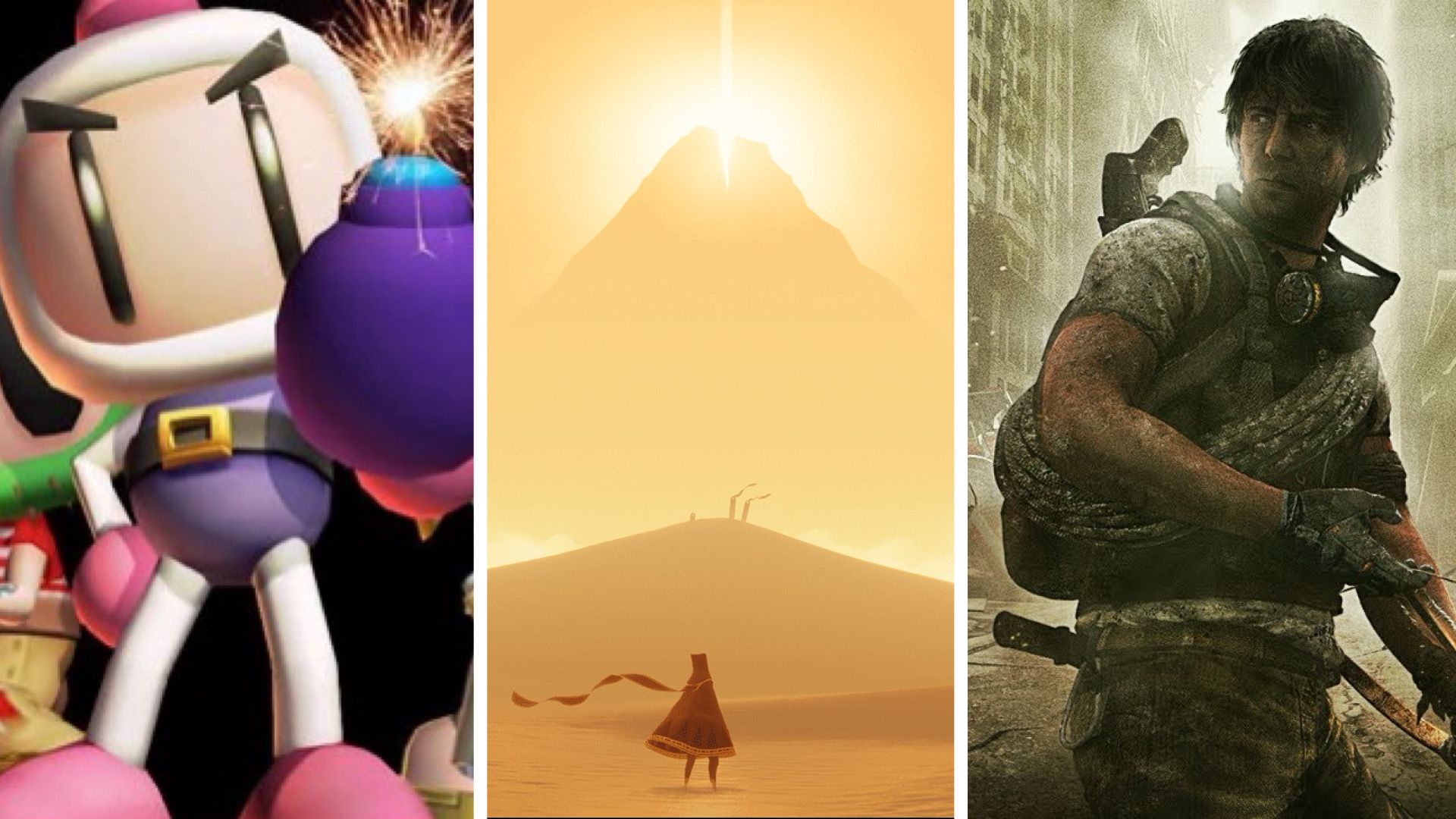
If Flower was about gentle exploration, Journey is about an epic, emotional odyssey. Developed by the same team at thatgamecompany, Journey casts players as a robed figure traversing a vast, enigmatic desert. The ultimate goal is to reach a distant mountain shrouded in light. The game’s genius lies in its masterful use of environmental storytelling and its unique approach to multiplayer. Throughout your solitary trek, you may encounter other players also making their way through the desert. There is no voice chat, no text communication – only a simple melodic chime with which players can interact. This wordless communication fosters an incredible sense of shared experience, encouraging cooperation and unexpected bonds. You might find yourself following a stranger, aiding them through a difficult section, or being guided by them when you are lost. These fleeting, often poignant encounters are at the heart of what makes Journey so profoundly moving. The desolate beauty of the desert, the hauntingly beautiful score by Austin Wintory, and the sheer emotional arc of the player’s journey combine to create an unforgettable, deeply human experience. It’s a masterclass in minimalist design and emotional impact, proving that the most powerful stories don’t always need words.
The Power of Shared Solitude
The multiplayer aspect of Journey is revolutionary. Unlike traditional online games where interaction is often competitive or overtly social, Journey thrives on a sense of shared solitude. You are not placed in a lobby with friends; rather, you stumble upon other players organically as you explore the vast world. The only form of interaction is a melodic chime that can be used to signal your presence, offer encouragement, or simply acknowledge another’s existence. This lack of explicit communication forces players to rely on body language, environmental cues, and the shared musicality of the game to connect. It creates moments of profound empathy and understanding, as you might instinctively help another player overcome an obstacle or find a lost collectible, and they, in turn, might offer you guidance or companionship through a particularly challenging or lonely stretch. The sense of camaraderie that can emerge from these silent encounters is truly remarkable, leaving a lasting impression on players long after the credits roll. The art direction is equally stunning, with vast, procedurally generated landscapes that evoke a sense of awe and isolation. From windswept dunes to ancient ruins, each environment is meticulously crafted to enhance the emotional weight of the journey. The subtle visual cues that guide players, the environmental hazards that test their resolve, and the climactic ascent up the mountain all contribute to a narrative arc that feels both personal and universal.
3. Limbo: A Hauntingly Beautiful Puzzle-Platformer
Playdead’s Limbo is a masterclass in atmospheric horror and clever puzzle design. You control a nameless boy who awakens in a dark, foreboding forest. The game’s distinctive art style, presented in stark black and white with minimal color accents, creates an oppressive and unsettling atmosphere. The world of Limbo is filled with environmental hazards, monstrous creatures, and intricate traps, all of which must be navigated with careful observation and precise timing. The puzzles are ingeniously integrated into the environment, often requiring players to manipulate objects, exploit physics, or even sacrifice their character to progress. What makes Limbo so enduring is its ambiguity and its ability to evoke fear and dread without relying on jump scares or gore. The story is deliberately vague, inviting players to interpret the boy’s journey and the nature of the world he inhabits. This open-ended narrative, combined with the stark, unforgettable imagery, makes for a deeply immersive and thought-provoking experience. The gameplay is precise, the puzzles are challenging yet fair, and the atmosphere is palpable, all contributing to a game that is both unsettling and utterly compelling. It’s a testament to how much can be achieved with a minimalist aesthetic and a focus on pure, unadulterated gameplay.
Monochromatic Minimalism and Environmental Puzzles
The visual design of Limbo is its most immediate and striking feature. The monochromatic palette, broken only by shafts of light and subtle color cues, creates a sense of unease and mystery. This deliberate artistic choice not only makes the game visually distinctive but also serves to highlight the dangers lurking in the shadows. The environments are filled with subtle details that hint at a larger, more disturbing world. The game’s puzzles are seamlessly woven into the fabric of the environment. They are not abstract challenges but rather logical extensions of the world’s mechanics and hazards. Players will encounter everything from giant spiders and precarious saw blades to complex electrical contraptions and gravity-defying platforms. Success often hinges on observing the environment, understanding its rules, and executing actions with perfect timing. There’s a palpable sense of risk and reward; a misstep can lead to a gruesome, yet oddly artistic, demise, but each solved puzzle brings a satisfying sense of progression. The narrative, or lack thereof, is another key element of Limbo’s lasting appeal. The boy’s purpose and the meaning of his journey are left entirely to the player’s interpretation. This ambiguity fuels speculation and discussion, making Limbo a game that lingers in the mind long after you’ve put down the controller. Its focus on atmosphere, environmental interaction, and challenging puzzles has cemented its reputation as a landmark title in the puzzle-platformer genre.
4. Castle Crashers: A Hilarious and Chaotic Beat ‘Em Up
For those seeking pure, unadulterated fun, Castle Crashers is an absolute must-play. Developed by The Behemoth, this beat ’em up is a vibrant explosion of color, humor, and over-the-top action. Players choose from four knights, each with their own unique abilities and weapons, and embark on a quest to rescue princesses and defeat a band of evil sorcerers. The gameplay is classic side-scrolling brawler action, with simple but satisfying combat mechanics. You’ll mash buttons to unleash a flurry of attacks, spells, and special moves, all while facing hordes of increasingly bizarre enemies. What sets Castle Crashers apart is its relentless sense of humor and its incredibly charming art style. The characters are endearingly crude, the animations are fluid and hilarious, and the world is packed with quirky details and pop-culture references. The game supports up to four-player co-op, making it an ideal choice for a chaotic and memorable gaming session with friends. The progression system, where you level up your knight, unlock new weapons, and discover new spells, adds a layer of depth and replayability. Despite its whimsical exterior, the combat is surprisingly deep, with opportunities for strategic use of magic and special abilities. Castle Crashers is a joyous, energetic, and endlessly replayable experience that embodies the best of what the digital-only PS3 era had to offer.
Cooperative Chaos and Cavalcade of Comedy
The core of Castle Crashers’ enduring appeal lies in its robust and incredibly fun cooperative gameplay. Up to four players can team up to tackle the game’s challenges, leading to moments of glorious, unscripted chaos. Coordinating attacks, reviving fallen comrades, and simply reveling in the shared mayhem creates an unparalleled sense of camaraderie. The game is designed to be played with friends, and its mechanics facilitate this perfectly. The sheer volume of enemies on screen at any given time, combined with the spectacle of magic spells and special attacks, makes for a visual feast of cooperative destruction. Beyond the brawling, Castle Crashers is also a masterclass in comedic delivery. The art style, a hand-drawn, almost cartoonish aesthetic, is filled with quirky characters, ridiculous animations, and laugh-out-loud dialogue. The developers clearly had a blast creating this world, and that infectious energy permeates every aspect of the game. From the outlandish enemy designs to the absurd boss battles, humor is a constant companion. The progression system adds further incentive to keep playing. As you defeat enemies and complete levels, your knights gain experience, allowing you to upgrade their stats and unlock new magical abilities. Discovering new weapons, often hidden in secret areas or dropped by specific enemies, further enhances your combat prowess and adds another layer of exploration to the experience. This blend of satisfying combat, uproarious humor, and rewarding progression makes Castle Crashers a true standout among digital-only PS3 titles.
5. Dead Nation: A Top-Down Shooter with a Bleak, Engaging World
Dead Nation offers a grim and visceral take on the zombie apocalypse, presented from a compelling top-down perspective. Developed by Housemarque, this action shooter throws players into a world overrun by the undead, tasking them with surviving hordes of ravenous creatures and uncovering the secrets behind the outbreak. The gameplay is frantic and satisfying, focusing on precise aiming, strategic use of limited ammunition, and the deployment of powerful, unlockable weapons and equipment. What makes Dead Nation so compelling is its dark, oppressive atmosphere and its surprisingly deep weapon and upgrade system. The environments are bleak and detailed, and the sheer number of enemies on screen at any given time creates a constant sense of danger. The game also features a unique “Scavenger” system, where players can earn in-game currency by completing missions and surviving increasingly difficult waves of zombies, which can then be used to purchase new weapons, ammo, and crucial upgrades. The inclusion of cooperative play, allowing two players to team up and face the zombie menace together, significantly enhances the experience, turning desperate survival into a shared struggle. The intense gameplay loop, combined with the satisfying progression and the grim, atmospheric world, makes Dead Nation a standout title for fans of zombie shooters and top-down action.
Hordes of the Undead and Strategic Survival
The core gameplay loop of Dead Nation is incredibly addictive. Players are constantly outnumbered, facing waves of zombies that grow in size and ferocity as the game progresses. This necessitates a constant focus on ammo management and strategic positioning. Running out of bullets in a tight spot can quickly spell doom, forcing players to make difficult choices about when to engage and when to retreat. The arsenal of weapons available is extensive, ranging from standard shotguns and assault rifles to more exotic tools of destruction like flamethrowers and makeshift explosives. Each weapon feels distinct and satisfying to use, and the ability to upgrade them further adds a layer of strategic depth. The progression system is particularly well-realized. As you survive longer and complete more missions, you earn cash that can be spent on new gear and permanent upgrades, allowing you to tailor your loadout to your preferred playstyle. The addition of co-op gameplay transforms Dead Nation from a challenging solo experience into a tense, cooperative fight for survival. Coordinating fire with a partner, covering each other’s backs, and sharing precious resources are crucial for overcoming the game’s most difficult challenges. The game’s atmosphere is expertly crafted, with a bleak, desaturated color palette and detailed environments that effectively convey the desperation of a world teetering on the brink of collapse. The sheer density of enemies on screen, coupled with the pulsating, ominous soundtrack, creates a palpable sense of dread and urgency, making Dead Nation a truly immersive and rewarding zombie survival shooter.
6. Metal Gear Solid: Peace Walker HD Edition: A Prequel Masterpiece
While the Metal Gear Solid series is renowned for its sprawling narratives and stealth-action gameplay, Peace Walker stands out as a critical darling that originally debuted on the PSP before receiving a superb HD remaster on the PS3. This release brought an incredible, self-contained Metal Gear Solid experience to a wider audience, and it remains absolutely worth playing today. Set in 1974, it bridges the gap between Metal Gear Solid 3: Snake Eater and Metal Gear Solid V: Ground Zeroes, delving into the origins of the FOXHOUND unit and the rise of Big Boss. Peace Walker is remarkable for its tight gameplay mechanics, its engaging story, and its innovative base-building elements. Players manage their own mercenary unit, Outer Heaven, recruiting soldiers, developing new weapons and gear, and managing resources between missions. The stealth gameplay is refined, with a more agile control scheme than previous installments, and the boss battles are some of the series’ most memorable. The narrative, handled with Kojima’s signature blend of serious drama and quirky humor, explores themes of nation-building, the ethics of warfare, and the weight of leadership. The HD remaster significantly enhances the visual presentation, making it a fantastic way to experience this crucial chapter in the Metal Gear saga without the need for original PSP hardware.
Strategic Command and Stealthy Infiltration
Metal Gear Solid: Peace Walker HD Edition offers a gameplay experience that is both familiar to fans of the series and uniquely innovative. The core stealth mechanics are as compelling as ever, challenging players to utilize cover, distract guards, and neutralize threats without raising an alarm. However, Peace Walker introduces a significant new dimension with its base management system, dubbed “Mother Base.” Players are tasked with recruiting captured enemy soldiers and deflecting enemy intel to expand and improve their operational headquarters. This involves assigning soldiers to different departments, researching and developing new weapons, armor, and equipment, and managing the overall morale of the unit. This strategic layer adds a substantial amount of depth and replayability, as players constantly strive to optimize their base for maximum efficiency and combat readiness. The missions themselves are varied, ranging from traditional stealth infiltration and assassination to escort missions and large-scale combat encounters. The boss battles are particularly noteworthy, often requiring specific strategies and a well-equipped arsenal. The HD remaster significantly polishes the visuals, bringing the game’s vibrant environments and character models up to a standard that holds up well today. The intuitive control scheme, refined for console play, ensures that the gameplay remains fluid and responsive, making it accessible to both series veterans and newcomers alike. The narrative is also a major draw, providing crucial backstory for Big Boss and exploring complex geopolitical themes that are as relevant now as they were during the game’s original release.
7. Scott Pilgrim vs. The World: The Game Complete Edition: A Stylish Beatdown
Based on the beloved graphic novel series, Scott Pilgrim vs. The World: The Game is a fantastic beat ’em up that perfectly captures the spirit and aesthetic of its source material. Originally a digital-only PS3 title, its subsequent Complete Edition release on modern platforms makes it more accessible, but its PS3 origins are undeniable. Players take on the role of Scott Pilgrim or his friends as they battle through vibrant, stylized levels to defeat Ramona Flowers’ seven evil exes. The gameplay is a loving homage to classic arcade beat ’em ups, featuring fluid combat, a variety of weapons, and special moves. What makes Scott Pilgrim so special is its incredible visual style, which faithfully recreates the look and feel of Bryan Lee O’Malley’s comics, infused with a retro video game sensibility. The soundtrack, featuring music by the legendary Anamanaguchi, is an absolute banger, perfectly complementing the high-energy action. The game supports up to four-player local and online co-op, making it an ideal choice for a chaotic and hilarious gaming session with friends. The progression system, where characters level up and unlock new abilities, adds a satisfying RPG-like element. It’s a game that oozes personality and style, a true celebration of geek culture and classic arcade action.
Retro Charm and Relentless Rhythm
The visual design of Scott Pilgrim vs. The World: The Game is its most immediate and captivating feature. The art style is a brilliant fusion of Bryan Lee O’Malley’s distinctive comic book aesthetic and the pixelated charm of classic 16-bit video games. Each character, enemy, and environment is rendered with incredible detail and vibrant colors, faithfully translating the visual language of the comics into a playable medium. This attention to detail extends to the animations, which are fluid, expressive, and often hilarious, mirroring the comedic timing of the source material. The gameplay is pure beat ’em up bliss. Players can punch, kick, use weapons, and unleash special attacks as they fight their way through diverse and imaginative levels. The combat is accessible yet possesses enough depth to remain engaging throughout the game. The addition of RPG-like progression allows players to level up their characters, increasing their stats and unlocking new, powerful moves. This system encourages replayability, as players strive to master each character and unlock their full potential. The soundtrack, by the chiptune wizards Anamanaguchi, is an absolute triumph. It’s a high-energy, infectious collection of tracks that perfectly captures the game’s frenetic pace and whimsical tone, enhancing every punch, kick, and jump with its distinctive electronic melodies. The cooperative multiplayer is where the game truly shines, transforming it into a joyous, chaotic spectacle as friends team up to take down the evil exes.
8. Okami HD: A Visually Stunning Masterpiece of Art and Adventure
While Okami was originally released on the PlayStation 2, its HD remaster on the PS3 brought this breathtaking action-adventure game to a new generation of players in a stunningly enhanced package. Okami HD is a true digital-only gem for the PS3 era, offering a visually spectacular and narratively rich experience. Players control Amaterasu, a sun goddess in the form of a white wolf, on a quest to restore life and color to the land of Nippon, which has been plunged into darkness by a malevolent force. The game’s unique art style, inspired by Japanese sumi-e ink wash painting, is simply gorgeous, with every scene looking like a living, breathing work of art. The core gameplay mechanic, the “Celestial Brush,” allows players to pause the action and literally draw symbols on the screen to unleash powerful abilities, such as creating wind, conjuring vines, or even repairing broken objects. This mechanic is not only innovative but also incredibly satisfying to use. Combined with its engaging combat, charming characters, and epic storyline inspired by Japanese folklore, Okami HD offers an experience that is both artistic and incredibly fun. It’s a timeless classic that feels as fresh and captivating today as it did upon its initial release.
The Brushstroke of Genius and Epic Folklore
The defining feature of Okami HD is its absolutely breathtaking art style. Inspired by traditional Japanese sumi-e ink wash paintings, the game world is a vibrant canvas of bold brushstrokes, flowing ink, and striking black and white contrasts. This unique aesthetic not only makes the game a visual masterpiece but also integrates seamlessly with its gameplay. The Celestial Brush mechanic is the heart of Okami. By pausing the action and using the controller’s analog stick (or motion controls in some versions), players can draw various symbols to affect the game world. Need to conjure a gust of wind to cross a chasm? Draw a circle to create a whirlwind. Need to repair a broken bridge? Draw a line to mend it. Want to unleash a devastating attack? Draw a lightning bolt. This mechanic is brilliantly implemented, offering a level of player interaction and creative expression rarely seen in games. Beyond the brushwork, Okami HD is a rich and engaging action-adventure game. Players explore a vast and beautiful world, engage in challenging combat against demonic foes, solve environmental puzzles, and interact with a cast of memorable characters. The narrative is deeply rooted in Japanese mythology and folklore, telling a compelling story of gods, demons, and the eternal struggle between light and darkness. The HD remaster significantly enhances the game’s visual fidelity, bringing out the intricate details of the ink-wash art style and making the vibrant colors pop. The gameplay controls are also refined, ensuring a smooth and responsive experience that allows players to fully appreciate the game’s artistic and mechanical brilliance.
Conclusion: The Enduring Legacy of PS3’s Digital Treasures
The PlayStation 3’s digital library, though perhaps less flashy than its physical counterpart, is home to a remarkable collection of digital-only games that have stood the test of time. These titles, often born from smaller development teams or experimental concepts, offer unique experiences that continue to resonate with players today. From the meditative beauty of Flower and the profound emotional journey of Journey to the atmospheric dread of Limbo, the chaotic fun of Castle Crashers, the intense survival of Dead Nation, the compelling narrative of Metal Gear Solid: Peace Walker, the stylish action of Scott Pilgrim vs. The World, and the artistic wonder of Okami HD, these games represent the diversity and innovation that defined a pivotal era in gaming. They prove that engaging gameplay, compelling art direction, and heartfelt storytelling are the true keys to lasting appeal, transcending hardware generations and continuing to captivate audiences. For any gamer looking to explore the rich history of the PS3 or seeking out unique, high-quality experiences, these digital-only gems are an essential part of the console’s enduring legacy and remain absolutely worth playing today. Their availability, whether through backward compatibility, remasters, or emulation, ensures that their magic can still be experienced by a new wave of enthusiasts eager to discover these timeless digital treasures.