Rockstar North Faces Escalating Worker Uprising: 220+ Staff Demand Reinstatement Amidst “Union Busting” Accusations
In a dramatic escalation of internal conflict, a staggering 220 Rockstar North staff members have collectively penned a powerful letter to company management, demanding the immediate reinstatement of 31 employees who were recently terminated. This widespread employee solidarity signals a deep well of discontent and a significant challenge to the established hierarchy within the acclaimed game development studio responsible for monumental titles like the Grand Theft Auto series. The situation has rapidly transformed from individual dismissals into a full-blown employee revolt, with significant implications for the company’s internal culture and its public perception.
The catalyst for this unprecedented show of unity was the abrupt dismissal of 31 members of the Rockstar North workforce. While Rockstar Games, a subsidiary of Take-Two Interactive, has publicly stated that these terminations were a direct consequence of the employees engaging in “gross misconduct” and subsequently “sharing confidential information publicly,” the narrative presented by the affected employees and their union paints a starkly different picture. This divergence in accounts has fueled widespread suspicion and galvanized a substantial portion of the remaining staff to take a stand.
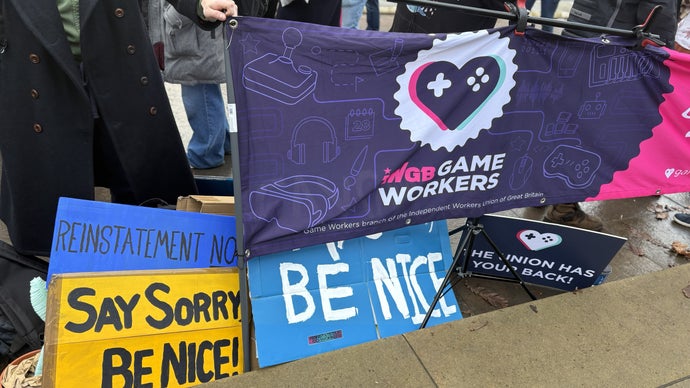
The IWGB union, a prominent UK-based organization representing workers across various sectors, including those in the tech and gaming industries, has been vocal in its support of the dismissed employees. The union has unequivocally accused Rockstar of engaging in “union busting” tactics, a serious allegation that, if proven, could lead to significant legal repercussions and reputational damage for the company. This accusation suggests that the firings were not merely disciplinary actions but a deliberate attempt to stifle unionization efforts and suppress collective bargaining. The IWGB has not been silent; they have actively organized and participated in protests outside Rockstar North’s offices and the UK headquarters of Take-Two Interactive, amplifying their message and drawing public attention to the unfolding crisis. These demonstrations serve as a visible manifestation of the union’s commitment and the palpable anger of the affected workers.
The Gravity of “Gross Misconduct”: Unpacking Rockstar’s Allegations
Rockstar’s official statement cites “gross misconduct” as the primary reason for the dismissals. This broad term encompasses a range of severe workplace violations. However, the subsequent clarification that the misconduct involved “sharing confidential information publicly” provides a crucial, albeit disputed, detail. In the highly competitive and secrecy-shrouded world of AAA game development, the leak of proprietary information can have far-reaching consequences. This includes potentially compromising unannounced projects, revealing sensitive development details, and impacting future marketing strategies. The value of intellectual property in the gaming industry is immense, and any unauthorized dissemination of such data is typically treated with the utmost seriousness.
However, the swift and seemingly sweeping nature of these dismissals, coupled with the union’s counter-accusations, raises critical questions about the process. Were thorough investigations conducted? Was there a clear and demonstrable link between the alleged misconduct and the terminated employees? The absence of transparent answers on these fronts has left fertile ground for speculation and doubt amongst the workforce. The perceived lack of due process or fair treatment in such a significant disciplinary action can have a corrosive effect on employee morale and trust.
Confidential Information: A Double-Edged Sword in Game Development
The accusation of “sharing confidential information publicly” is particularly sensitive within the gaming industry. Developers are often bound by strict non-disclosure agreements (NDAs), and the nature of their work inherently involves access to proprietary and often highly anticipated material. Leaks can originate from various sources, including disgruntled employees, external actors, or even accidental disclosures. In the digital age, information can spread with unprecedented speed and reach, making its control a constant challenge.
For a company like Rockstar Games, which cultivates an aura of mystery and anticipation around its blockbuster titles, the integrity of its development pipeline is paramount. Any premature revelation of gameplay mechanics, story elements, character designs, or release windows can derail carefully crafted marketing campaigns and diminish the element of surprise that often drives player engagement. Therefore, the company’s stance on protecting such information is understandable from a business perspective.
However, the crucial distinction lies in how this information is allegedly shared and the intent behind it. If the fired employees were indeed responsible for deliberately leaking sensitive data for malicious purposes or personal gain, then Rockstar’s actions, while severe, might be seen as a necessary defense of its business interests. Conversely, if the information was shared through less deliberate means, or if the employees believe they were unfairly targeted, then the “gross misconduct” label may be seen as an overreach, particularly when viewed through the lens of union activity. The IWGB’s insistence on “union busting” suggests they believe the firings were a pretext to remove pro-union employees, rather than a genuine response to data breaches.
The IWGB Union’s Stance: Accusations of Union Busting and Legal Challenges
The IWGB union has emerged as a powerful advocate for the dismissed Rockstar North staff. Their pronouncements carry significant weight, as they are positioned as an independent body scrutinizing the company’s employment practices. The accusation of “union busting” is a grave one, implying that Rockstar’s actions were motivated by a desire to suppress or dismantle union organizing efforts within the company. This is a tactic that has been historically employed by various corporations to maintain control over labor relations and prevent the formation of unions, which can lead to demands for better wages, working conditions, and benefits.
The IWGB’s strategy extends beyond mere accusations. They have actively filed legal claims against Rockstar on behalf of the terminated workers. These legal actions are likely to focus on unfair dismissal, potentially discriminatory practices, and violations of employment law. The success of these claims will depend on the evidence presented by both sides and the interpretations of labor laws by the relevant legal bodies. The union’s commitment to pursuing these claims through the legal system underscores their belief in the injustice of the firings and their determination to hold Rockstar accountable.
Furthermore, the visible presence of protests outside Rockstar North and Take-Two’s UK offices demonstrates the union’s commitment to public awareness and pressure. These demonstrations are designed to not only voice the grievances of the affected workers but also to inform the public about the situation and garner broader support. By targeting both the development studio and its parent company, the IWGB is signaling that the responsibility for the alleged misconduct lies with the corporate leadership. These protests create a tangible and often disruptive challenge to the company’s operations and image.
Employee Solidarity: A Wave of Support for the Fired Colleagues
The most compelling aspect of this unfolding situation is the overwhelming solidarity shown by over 220 Rockstar North staff members. The fact that such a significant proportion of the workforce has signed a letter demanding the “immediate reinstatement” of their colleagues speaks volumes about the perceived injustice and the depth of their collective concern. This is not a fringe group of disgruntled employees; it represents a substantial segment of the studio’s talent pool, actively choosing to defy management and advocate for their peers.
This collective action signifies a fundamental breakdown in trust between the employees and the management. When a large number of staff feel compelled to put their own professional standing at risk by openly challenging management decisions, it indicates a profound dissatisfaction with the current working environment. The letter itself, demanding “immediate reinstatement,” is a clear and unambiguous statement of intent. It suggests that the fired workers are not merely seeking compensation or apologies but a complete reversal of the decision, implying that the firings are seen as fundamentally wrong and unjustified by a significant portion of the workforce.
The risks associated with such a public display of dissent are considerable. Employees who sign such a letter could be perceived by management as disloyal or troublemakers, potentially impacting their career progression within the company. Yet, the sheer number of signatories indicates that many employees believe the cause is just and that standing together is more important than individual risk. This level of unity can be a powerful force, capable of influencing management decisions and shaping the internal culture of an organization. It suggests a strong sense of camaraderie and a shared understanding of the values they believe should be upheld within Rockstar North.
The GTA 6 Factor: Potential Impact on Future Development and Reputation
The timing of this internal turmoil is particularly noteworthy given Rockstar Games’ position as the developer of the Grand Theft Auto (GTA) franchise, one of the most successful and influential entertainment properties in history. The next installment, GTA 6, is arguably one of the most anticipated video games of all time. Any significant internal disruption at Rockstar North, the primary development studio for the series, could have a tangible impact on the game’s development timeline, quality, and ultimately, its release.
A workforce experiencing internal strife, characterized by firings and widespread employee dissent, is unlikely to be operating at peak efficiency or morale. This can lead to delays, compromises in quality, and a general slowdown in progress. Furthermore, the public perception of a company can significantly influence its success. If news of “union busting” accusations and mass employee discontent spreads widely, it could tarnish Rockstar’s carefully cultivated image and potentially alienate a segment of its vast player base. Consumers are increasingly aware of and sensitive to labor practices within the industries they support.
The public narrative surrounding the firings and the subsequent employee uprising will be closely watched. The way Rockstar Games and Take-Two Interactive handle this crisis will set a precedent for future labor relations within the company and could influence how other major game development studios approach similar situations. The pursuit of “immediate reinstatement” by such a large group of staff underscores the severity of the perceived injustice, and the potential fallout for the GTA 6 development and Rockstar’s brand is a significant concern for all stakeholders.
Broader Implications for the Gaming Industry: A Call for Fair Labor Practices
The situation at Rockstar North is not an isolated incident. The gaming industry, despite its immense financial success, has often been criticized for its demanding work culture, long hours (often referred to as “crunch”), and sometimes precarious employment conditions. This recent development could serve as a catalyst for broader conversations and actions regarding fair labor practices within the video game industry.
The IWGB union’s active involvement highlights the growing trend of workers in tech and creative industries seeking collective representation and protection. The accusations of “union busting” at a company as prominent as Rockstar raise serious questions about the power dynamics between large corporations and their employees, particularly in creative fields where passion and dedication are often exploited.
The demand for “immediate reinstatement” by over 200 staff members is a powerful testament to the potential for collective action to drive change. It suggests that employees are no longer willing to passively accept what they perceive as unfair treatment. This growing awareness of worker rights and the willingness to organize could lead to increased unionization efforts across the gaming sector, pushing for more equitable employment standards.
Ultimately, the outcome of this conflict at Rockstar North will have far-reaching implications. It could serve as a cautionary tale for companies that engage in aggressive anti-union tactics, or it could embolden workers across the industry to demand better. The focus on “gross misconduct” and “confidential information” versus “union busting” will be a critical point of contention in the ensuing legal and public debates. The 220 Rockstar staff’s letter is more than just a protest; it is a clear signal that the days of unchecked corporate power in the creative industries may be numbered, and that employees are increasingly willing to fight for their rights and the fair treatment of their colleagues. The world is watching to see how Rockstar Games will respond to this unprecedented challenge to its authority and its commitment to its workforce.