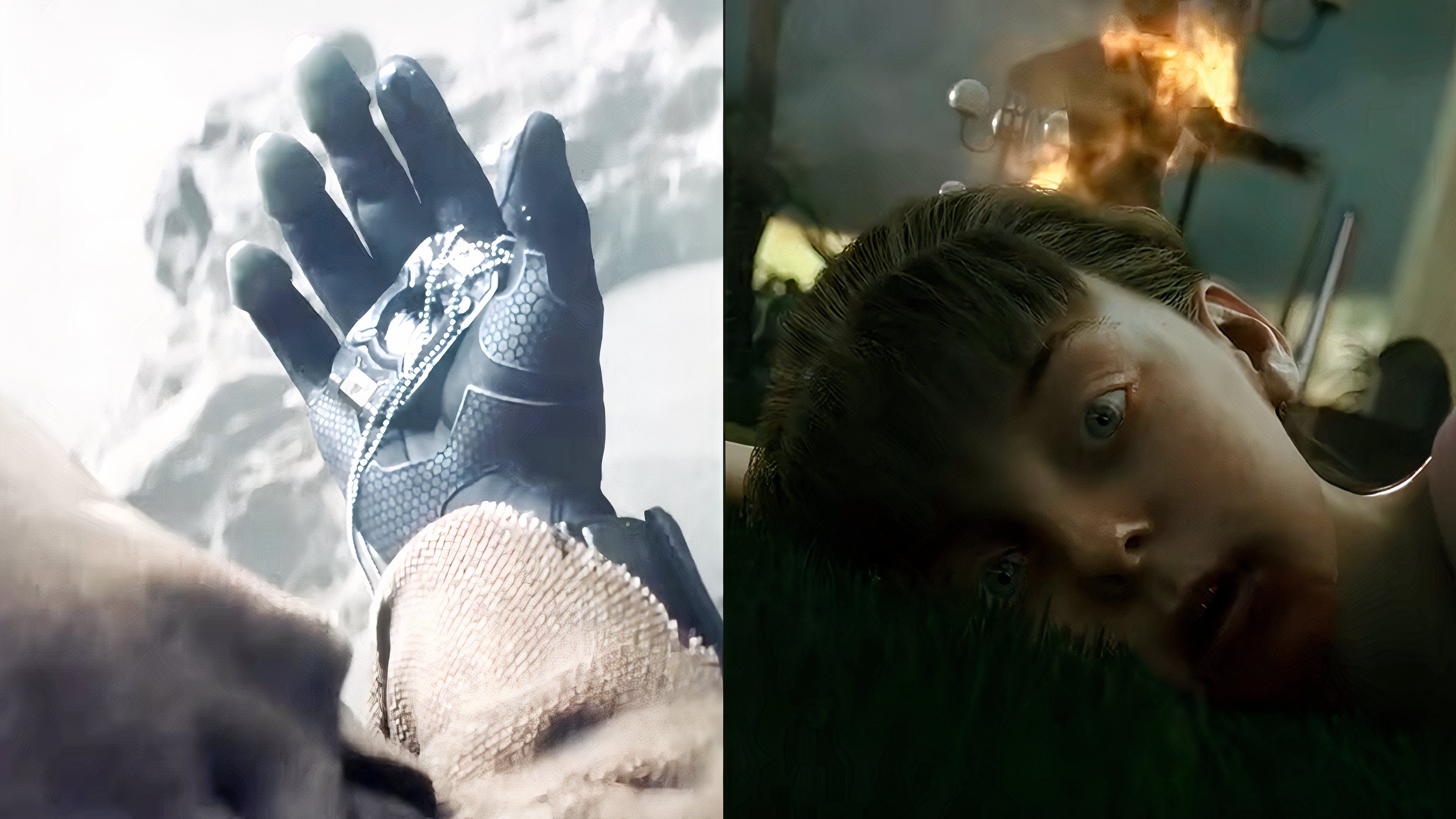
10 Game Trailers That Masterfully Misled Audiences: A Deep Dive into Deceptive Marketing
At Gaming News, we understand the electric anticipation that surges through the gaming community when a new trailer drops. These cinematic glimpses into virtual worlds are meticulously crafted to ignite our imaginations, promising unparalleled experiences and revolutionary gameplay. However, not all trailers are created equal, and some have historically served as elaborate illusions, painting a picture far removed from the final product. This article delves into the most deceptive game trailers ever released, dissecting the specific elements that led players astray and exploring the lasting impact of these misleading marketing campaigns. We aim to provide a comprehensive overview that goes beyond superficial claims, offering in depth analysis of why these trailers resonated so powerfully, yet ultimately failed to deliver on their spectacular promises.
The Art of Deception: How Trailers Can Mislead
The creation of a game trailer is an intricate process, balancing the need to generate excitement with the imperative to accurately represent the game. When marketing teams err too far on the side of hyperbole or artistic license, the results can be disastrous. Misleading trailers typically fall into several categories: showcasing gameplay footage that was either significantly enhanced, entirely faked, or represented features that were ultimately cut from the final game. Sometimes, the trailers might focus on a specific aesthetic or mood that the finished product struggles to maintain. The industry has a long, and often infamous, history of such instances, leaving players feeling betrayed and leading to significant backlash against developers and publishers. Understanding these tactics is crucial for discerning consumers, allowing us to approach future reveals with a more critical and informed perspective.
Historical Precedents of Trailer Deception
The phenomenon of misleading trailers is not a new one. As far back as the early days of video game marketing, ambitious claims were made to capture attention. However, with the advent of more sophisticated game engines and cinematic presentation techniques, the potential for deception has only grown. The desire to stand out in an increasingly crowded market often pushes marketing departments to highlight the most polished, albeit sometimes unachievable, aspects of a game. This can lead to trailers that showcase idealized versions of gameplay, using techniques like pre rendered cutscenes presented as in game footage, or meticulously crafted gameplay sequences that are impossible to replicate in the actual game due to technical limitations or design changes. The cumulative effect of these misleading campaigns can erode player trust, making it harder for even genuinely groundbreaking titles to capture the public’s imagination.
The Top 10 Game Trailers That Misled Audiences the Most
We have meticulously researched and analyzed numerous instances of deceptive game trailers to compile this definitive list. Our focus is on titles where the discrepancy between the trailer and the final game was substantial and widely recognized by the gaming community. We consider the impact of these trailers, the specific misleading elements, and the subsequent reception of the games themselves.
1. Colonial Marines: A Glimpse of a Different Game
Aliens: Colonial Marines stands as a notorious example of trailer deception. The initial trailers, particularly those shown at E3 and other major gaming events, presented a terrifyingly atmospheric and visually stunning experience. They featured incredibly detailed environments, intense AI driven combat, and a palpable sense of dread that perfectly captured the spirit of the Aliens franchise. The gameplay footage in these trailers showcased a level of visual fidelity and fluid enemy behavior that simply did not exist in the final product.
What the Trailers Showed:
- Advanced AI: Enemies in the trailers exhibited complex flanking maneuvers, intelligent use of cover, and a relentless, intelligent pursuit of the player. They appeared to react dynamically to the environment and player actions, creating a sense of a truly formidable foe.
- Stunning Visuals: The environments were rendered with incredible detail, featuring dynamic lighting, realistic particle effects, and a grimy, lived in aesthetic that was faithful to the film. The character models and animations were also exceptionally polished.
- Atmospheric Immersion: The trailers effectively conveyed a sense of claustrophobia and terror, with impressive sound design and visual effects that amplified the horror elements.
- Interactive Environments: Hints of environmental interactions that could be used to the player’s advantage were also present, suggesting a more dynamic combat system.
The Reality: When Aliens: Colonial Marines was finally released, players were met with a drastically inferior experience. The AI was rudimentary and predictable, enemies often spawned erratically or got stuck on geometry. The visual quality was significantly downgraded, with muddy textures, poor lighting, and a general lack of polish. The promised atmospheric horror devolved into repetitive firefights. The game’s development was notoriously troubled, with significant portions reportedly outsourced and completed late in the development cycle, leading to a disjointed and unfinished product. The discrepancy between the carefully curated trailer footage and the buggy, uninspired gameplay was stark and deeply disappointing for fans who had been sold a vision of a true Aliens successor.
2. No Man’s Sky: The Infinite Universe Mirage
No Man’s Sky is perhaps one of the most discussed examples of ambitious marketing that failed to meet expectations at launch. The pre release trailers and developer interviews painted a picture of an infinitely vast universe, filled with unique flora and fauna, deep exploration mechanics, and emergent player interactions. The game was presented as a true sandbox experience where players could discover alien life, forge their own paths, and engage in epic space battles.
What the Trailers Showed:
- Procedural Generation Mastery: Trailers highlighted an incredible diversity of planets, creatures, and star systems, all generated procedurally, promising a truly unique experience for every player.
- Complex Ecosystems: The game was depicted as having living, breathing ecosystems with creatures interacting with each other and the environment in meaningful ways.
- Deep Exploration and Discovery: The emphasis was on the sheer joy of charting unknown territories, naming discoveries, and uncovering the mysteries of the universe.
- Meaningful Player Interaction: Concepts like trading, combat, and even forming alliances with other players were heavily implied, suggesting a rich multiplayer component.
- Advanced Graphics: The visual style was vibrant and often breathtaking, with lush alien landscapes and impressive ship designs.
The Reality: Upon release, No Man’s Sky felt repetitive and shallow. While planets were procedurally generated, they often shared similar assets and creatures. The ecosystems were largely passive, and true interaction was minimal. The promised multiplayer was virtually non existent at launch, with players unable to see or interact with each other. The core gameplay loop of exploration, resource gathering, and combat felt grindy and lacked depth. The initial disappointment was immense, leading to significant criticism and a period of intense scrutiny for developer Hello Games. To their credit, Hello Games has since undertaken a remarkable redemption arc, releasing numerous free updates that have significantly expanded the game’s content and addressed many of the initial shortcomings, bringing it closer to the vision initially presented, though the launch itself remains a cautionary tale.
3. Watch Dogs: A Downgrade That Shocked
The initial reveal trailer for Watch Dogs generated immense hype, showcasing a visually stunning rendition of Chicago with incredibly detailed environments and advanced hacking mechanics. The gameplay demos presented a fluid, dynamic world where players could interact with almost anything, manipulate the city’s infrastructure, and engage in cinematic chase sequences.
What the Trailers Showed:
- Photorealistic Graphics: The trailers boasted incredibly detailed urban environments, realistic lighting, and impressive character models that rivaled next generation console capabilities.
- Advanced Hacking Mechanics: Demonstrations showed seamless and sophisticated hacking of traffic lights, police communications, and even individual pedestrians, creating a deep sense of environmental control.
- Dynamic Open World: The city was portrayed as a living, breathing entity with complex AI driven pedestrian and traffic systems that reacted realistically to player actions.
- Cinematic Action Sequences: Trailers featured elaborate set pieces, car chases, and shootouts that were presented with high production values, promising an engaging narrative experience.
The Reality: When Watch Dogs finally launched, the visual fidelity was noticeably downgraded from the promotional material. Textures were simpler, lighting was less dynamic, and the overall graphical presentation was significantly less impressive than what was initially promised. The hacking mechanics, while present, were not as seamlessly integrated or as impactful as the trailers suggested, often feeling more like scripted events than organic interactions. The open world, while functional, lacked the vibrancy and reactivity that the trailers had hinted at. This graphical downgrade became a major point of contention, with many players feeling that Ubisoft had deliberately misled them about the game’s visual capabilities.
4. Duke Nukem Forever: The 15 Year Promise
While not a single trailer, the entire marketing campaign for Duke Nukem Forever deserves a place on this list. After a development cycle stretching over 15 years, the game was previewed and discussed extensively through various forms of media, including trailers. These glimpses promised the return of the irreverent action hero with modern graphics and gameplay that would retain Duke’s signature charm.
What the Trailers and Demos Hinted At:
- Modern Shooter Gameplay: Expectation was for a contemporary first person shooter experience with advanced graphics and physics.
- Duke’s Signature Wit: The trailers promised the continuation of Duke’s iconic one liners and crass humor, a hallmark of the franchise.
- Interactive Environments: Hints were given about interactive elements within the game world that would enhance the player experience.
- A True Successor: The game was positioned as a worthy successor to the beloved Duke Nukem 3D.
The Reality: By the time Duke Nukem Forever was finally released in 2011, it felt like a relic of a bygone era. The graphics were dated, the gameplay mechanics were clunky and uninspired, and the humor, while present, often felt forced and out of touch. The game was widely panned by critics and players alike, seen as a massive disappointment given its legendary development hell and the years of anticipation. The trailers, viewed in retrospect, did little to prepare players for the archaic experience that awaited them. It became a symbol of development hell and how not to manage player expectations over an extended period.
5. The Witcher 3: Wild Hunt (Early Gameplay Footage)
While The Witcher 3: Wild Hunt is now widely lauded as a masterpiece, some of its early gameplay demonstrations generated concern among players due to perceived graphical downgrades compared to initial promotional material. Trailers and gameplay videos released prior to the game’s launch showcased stunning visuals, with incredibly detailed character models, lush environments, and impressive lighting effects.
What Early Trailers Showed:
- Exceptional Visual Fidelity: Initial trailers featured remarkably detailed character faces, intricate armor designs, and vibrant, richly populated landscapes.
- Advanced Lighting and Weather Effects: The game appeared to boast dynamic and realistic lighting, with convincing volumetric fog and detailed weather systems that enhanced immersion.
- Fluid Combat and Animation: Early footage hinted at a fluid and responsive combat system with detailed animations for Geralt and his enemies.
The Reality: When the game was released, many players noted that the final visuals, while still very good, were not quite as stunning as some of the earliest, carefully curated gameplay trailers. This led to accusations of a graphical downgrade. CD Projekt Red explained that some of the earlier footage was captured on high end PC hardware under optimal conditions, and that the final game had to be optimized for a wider range of platforms, including consoles, which necessitated certain compromises. While The Witcher 3 ultimately delivered an incredible gaming experience with a compelling story and deep gameplay, the initial visual discrepancies highlight the fine line developers walk in showcasing their games.
6. Gran Turismo 5: The Promise of “Next Generation”
Gran Turismo 5 was heavily anticipated, and its trailers and promotional materials promised a revolutionary leap in driving simulation. The game was touted to feature an unprecedented level of detail, realistic physics, and a vast array of cars and tracks.
What the Trailers Showed:
- Unparalleled Car Models: Trailers showcased incredibly detailed car models with accurate interiors and exteriors, hinting at a level of realism never before seen in a racing game.
- Realistic Damage Modeling: There were strong indications of a sophisticated damage system that would impact car performance and visuals in a believable way.
- Vast Track Selection: The game was advertised with an extensive library of real world and fictional tracks, offering immense variety.
- Dynamic Weather and Lighting: Promises were made for realistic weather effects and day/night cycles that would dynamically affect gameplay.
The Reality: Upon release, Gran Turismo 5 featured two distinct tiers of cars: premium and standard. The premium cars were highly detailed, matching the trailer’s promises. However, a significant portion of the car roster consisted of standard cars, which were essentially ported over from earlier PlayStation 2 titles with significantly lower polygon counts and less detailed textures. This discrepancy was not made clear in the trailers, leading to disappointment among players who expected every car to be as meticulously rendered as the flagship models. Furthermore, the damage modeling, while present, was not as comprehensive or as impactful as some early demonstrations might have suggested.
7. Driveclub: A Vision of Social Racing Unfulfilled
Driveclub was positioned as a revolutionary social racing game, emphasizing connectivity, community, and dynamic challenges. The trailers showcased sleek cars, beautiful environments, and a seamless integration of player interaction.
What the Trailers Showed:
- Stunning Visuals and Environments: Trailers featured breathtakingly realistic car models and incredibly detailed, dynamic weather effects that created a visually spectacular racing experience.
- Seamless Social Integration: The game was presented as a platform where players could easily form clubs, share challenges, and compete together, fostering a strong sense of community.
- Dynamic Weather System: Impressive footage of rain, fog, and changing light conditions was shown, promising a truly immersive and unpredictable racing environment.
- Impactful Crashes and Damage: Trailers hinted at satisfyingly visceral crashes and damage modeling that added to the realism.
The Reality: While Driveclub eventually became a decent racing game, its launch was plagued by technical issues and server problems that severely hampered the social features. The promised dynamic weather system was not fully implemented at launch, with many weather conditions being unlocked later through updates. The overall experience was far from the polished, seamless social phenomenon that the trailers had envisioned. The server instability meant that many of the core social mechanics were unreliable, leading to widespread frustration.
8. Star Wars Battlefront III (Cancelled, but Trailers Existed)
While Star Wars Battlefront III was ultimately cancelled, there were several pre production trailers and gameplay snippets released that showcased a dramatically different and more ambitious game than what eventually became Star Wars Battlefront (2015). These early glimpses hinted at features that players had longed for since the original games.
What the Trailers Hinted At:
- Seamless Ground-to-Space Combat: A key feature highlighted was the ability to transition directly from on foot combat on a planet’s surface to dogfighting in space without loading screens.
- In Depth Class System and Progression: There were indications of a more complex class system with deeper customization and progression options.
- Galactic Conquest Mode: The return of the beloved Galactic Conquest mode, allowing for strategic conquest of the galaxy, was heavily implied.
- More Ambitious Scope: Overall, the early material suggested a game with a much grander scale and more intricate gameplay mechanics.
The Reality: The cancelled Battlefront III is a prime example of a game that, through its pre production trailers, built expectations that were never met. The eventual EA reboot of Star Wars Battlefront in 2015, while visually impressive, omitted many of the features that fans had been clamoring for, including seamless space transitions and a robust single player campaign mode. The focus was heavily on multiplayer, and while popular, it left many fans feeling that the ambitious scope hinted at in earlier, albeit unofficial or leaked, promotional materials was lost.
9. Killzone 2: A Trailer Too Good to Be True?
The trailers for Killzone 2 were undeniably impressive, showcasing a gritty, visually stunning war zone with incredibly detailed environments and intense combat. The E3 2005 trailer, in particular, was hailed as a landmark moment in gaming graphics, depicting a visceral battle on the planet Helghan.
What the Trailers Showed:
- Unprecedented Visual Detail: The trailers presented incredibly high fidelity graphics, with realistic textures, complex particle effects, and a dark, oppressive atmosphere.
- Intense and Cinematic Combat: The footage depicted brutal firefights with believable weapon effects and character animations, emphasizing the harsh realities of war.
- Atmospheric World Building: The environment of Helghan was brought to life with a sense of desolation and danger, hinting at a deeply immersive experience.
The Reality: While Killzone 2 was a solid and well received game, the final product did not quite live up to the jaw dropping graphical fidelity and intensity of the 2005 E3 trailer. The trailer was later revealed to be a pre rendered cinematic, not actual gameplay footage. This distinction led to accusations of misleading marketing, as players expected the gameplay experience to mirror the stunning visuals they had been shown. While the game was still graphically impressive for its time, the revelation that the most impactful trailer was a cinematic rather than a direct gameplay representation caused some disappointment.
10. Metal Gear Solid 2: Sons of Liberty: A Bait and Switch
Metal Gear Solid 2: Sons of Liberty is a unique case. While the game itself was a critically acclaimed masterpiece, its marketing campaign deliberately misled players about the protagonist.
What the Trailers Showed:
- Solid Snake as the Protagonist: Nearly all pre release trailers and gameplay demonstrations prominently featured the iconic Solid Snake as the primary playable character, engaging in his signature stealth action.
The Reality: Upon starting Metal Gear Solid 2, players were thrust into the role of Raiden, a new and unproven protagonist, for the vast majority of the game. Solid Snake was relegated to a supporting role for the opening hours and specific segments later in the game. This deliberate protagonist bait and switch was a calculated move by Hideo Kojima, intended to explore themes of control, information, and player expectations. While many praised the game’s narrative ambition, the marketing undeniably played on established player familiarity with Snake, leading to initial confusion and, for some, a sense of betrayal. It remains a fascinating, albeit deceptive, marketing strategy in gaming history.
The Lasting Impact of Misleading Trailers
The impact of misleading game trailers extends far beyond a single disappointing purchase. These instances erode player trust, making it harder for developers and publishers to gain genuine excitement for future projects. When players feel deceived, they become more cynical and less receptive to marketing efforts, potentially harming the industry as a whole. Furthermore, these trailers can set unrealistic expectations, leading to reviews and player reception being unfairly skewed by the inability of the final product to match the idealized vision presented in promotional material.
Building and Rebuilding Trust
For developers and publishers, the most effective way to combat the negative repercussions of misleading trailers is through transparency and authenticity. Showcasing genuine gameplay footage captured from the current build of the game, being upfront about technical limitations, and managing expectations are crucial. When games deliver on their promises, or even exceed them, it fosters a sense of trust and goodwill within the community that can last for years. Conversely, a history of misleading marketing can create a significant hurdle for any future releases from the same entity.
The Future of Game Marketing
As technology continues to advance, so too will the potential for sophisticated visual presentation in game trailers. However, the lessons learned from these past deceptions are invaluable. The gaming community is increasingly discerning, and the pursuit of genuine player experiences, rather than fleeting marketing illusions, will ultimately lead to greater success and a healthier relationship between developers and their audience. At Gaming News, we believe in celebrating the games that deliver on their promises and holding accountable those that falter, ensuring that the future of gaming is built on a foundation of honest and exciting anticipation.