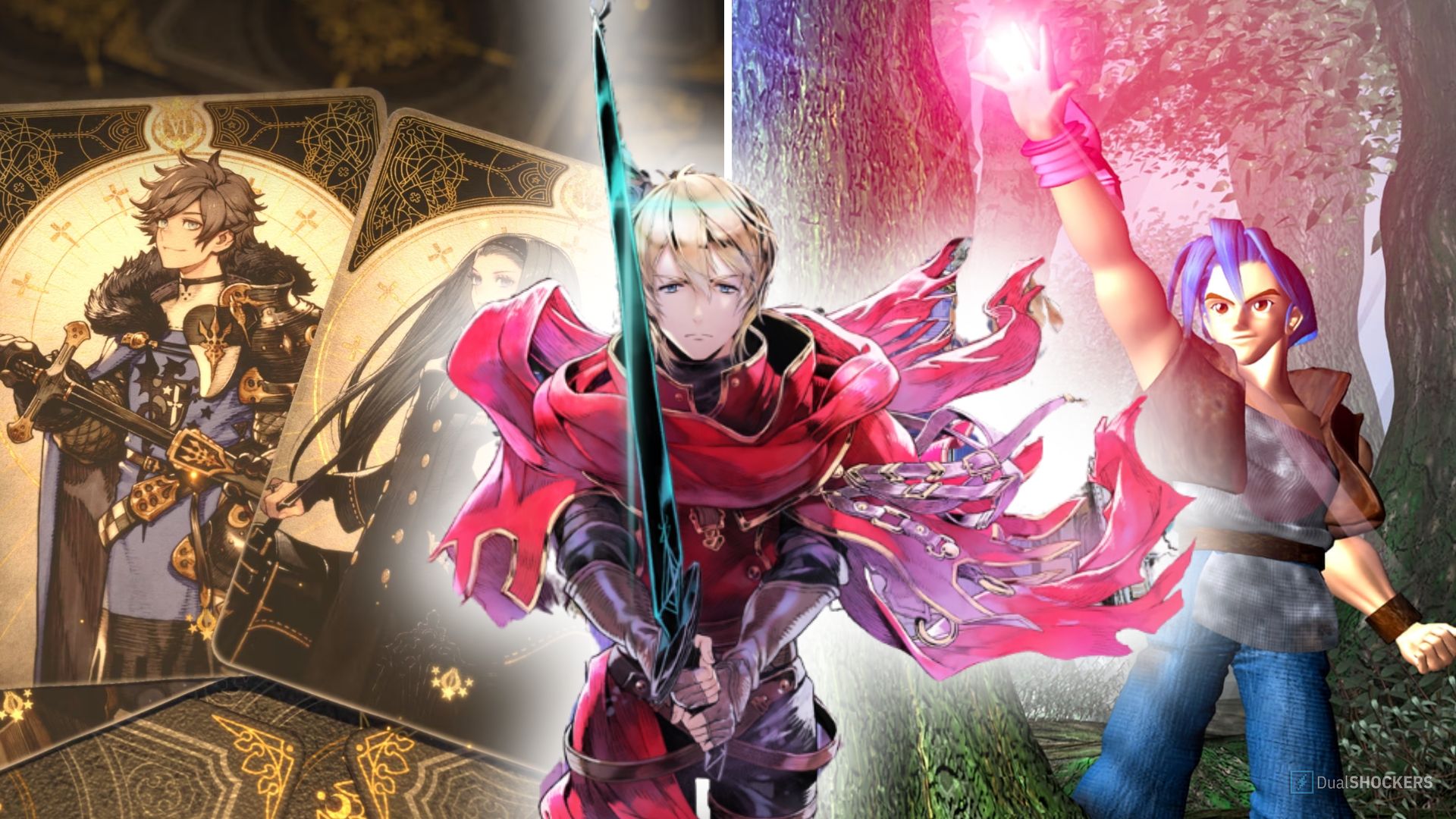
10 Best Turn-Based JRPGs Forgotten by Time
The annals of gaming history are vast, filled with countless titles that have captivated audiences for a fleeting moment before fading into obscurity. Among these forgotten gems are numerous turn-based JRPGs, masterful creations that deserve a second look, a fresh playthrough, and renewed appreciation. While the Final Fantasies and Dragon Quests of the world continue to dominate conversations, we aim to shed light on ten exceptional turn-based JRPGs that, despite their brilliance, have been unjustly relegated to the shadows of time. Prepare to delve into a world of engaging combat systems, intricate narratives, and unforgettable characters, as we rediscover these overlooked classics.
1. Legend of Legaia: A Martial Arts Masterpiece
Released on the original PlayStation, Legend of Legaia distinguishes itself through its innovative combat system known as the “Tactical Arts System”. Rather than simply selecting commands from a menu, players input directional commands (Up, Down, Left, Right) to unleash specific martial arts attacks. This adds a layer of strategic depth and player agency rarely seen in turn-based combat. The story centers around a world ravaged by the Mist, a mysterious phenomenon that turns humans and animals into monsters. Three heroes, Vahn, Noa, and Gala, embark on a quest to revive the Genesis Trees, the source of the world’s life force, and dispel the Mist.
Why It’s Forgotten
Despite its compelling combat and unique world, Legend of Legaia suffered from relatively poor marketing and was released amidst a deluge of other high-quality JRPGs on the PlayStation. Furthermore, its localization was somewhat lacking, resulting in awkward dialogue and a less polished experience compared to its contemporaries.
Reasons to Revisit
The Tactical Arts System remains a genuinely innovative and rewarding combat mechanic. Discovering new attack combinations and mastering the timing required for maximum damage is incredibly satisfying. The world of Legaia, with its distinct cultures and environmental storytelling, is also richly realized. The story, while simple in its premise, explores themes of environmentalism and the interconnectedness of life, resonating even today. The monster designs are genuinely striking and memorable. This game has an underrated soundtrack.
2. Shadow Hearts: A Dark and Gothic Turn-Based Adventure
Shadow Hearts, released on the PlayStation 2, is a dark fantasy JRPG that embraces horror elements. Set in an alternate 1913, the game follows Yuri Hyuga, a Harmonixer with the ability to fuse with monsters, as he unravels a sinister plot involving a cult seeking to resurrect a malevolent god. Shadow Hearts sets itself apart with its mature themes, dark atmosphere, and the “Judgement Ring”, a timing-based system used for attacks and other actions.
Why It’s Forgotten
Shadow Hearts faced stiff competition from other JRPG giants on the PlayStation 2. Its darker tone and more mature themes might have alienated some players accustomed to more lighthearted fare. Also, the Judgement Ring mechanic, while innovative, could be frustrating for some players, particularly those with slower reflexes.
Reasons to Revisit
Shadow Hearts offers a genuinely unique and memorable experience. The story is engaging and well-written, exploring themes of loss, sacrifice, and the struggle against overwhelming darkness. The Judgement Ring, once mastered, adds a layer of tension and skill to combat. The characters are well-developed and relatable, each grappling with their own personal demons. This game is notable for its distinct and memorable soundtrack with horror like elements and composition.
3. Grandia II: A Classic with Vibrant Storytelling
Grandia II, originally released on the Dreamcast and later ported to other platforms, is a classic JRPG known for its vibrant characters, engaging storyline, and strategic combat system. The story follows Ryudo, a Geohound (mercenary), who is tasked with protecting Elena, a songstress of the Church of Granas, as they embark on a journey to uncover the truth behind a mysterious artifact and the ancient conflict between good and evil.
Why It’s Forgotten
While Grandia II was well-received upon release, the Dreamcast’s limited lifespan and subsequent discontinuation hindered its long-term popularity. The game was later ported to other platforms, but these versions often suffered from technical issues, preventing it from reaching a wider audience.
Reasons to Revisit
Grandia II boasts a compelling story with memorable characters and a classic good-versus-evil narrative. The combat system is strategic and rewarding, emphasizing positioning and timing. The world is vibrant and beautifully realized, with a distinct art style that still holds up today. The game is known for its outstanding voice acting.
4. Lost Odyssey: A Modern JRPG with a Classic Feel
Developed by Mistwalker, the studio founded by Final Fantasy creator Hironobu Sakaguchi, Lost Odyssey is a modern JRPG released on the Xbox 360 that harkens back to the classic JRPG formula. The game follows Kaim Argonar, an immortal man who has lived for a thousand years, as he grapples with his past and the conflicts of the present. Lost Odyssey is notable for its emotional storytelling, mature themes, and traditional turn-based combat.
Why It’s Forgotten
Lost Odyssey was an Xbox 360 exclusive, limiting its reach to PlayStation fans. While it received generally positive reviews, it was often overshadowed by other JRPG releases on the platform.
Reasons to Revisit
Lost Odyssey offers a compelling story with mature themes of loss, memory, and the search for meaning in a world of conflict. The “Dream” sequences, short stories that delve into Kaim’s past, are particularly poignant and emotionally resonant. The combat system is a refined version of the classic turn-based formula, with strategic elements such as character positioning and skill customization. Boasts music written by Nobuo Uematsu.
5. Skies of Arcadia: A Swashbuckling Adventure in the Clouds
Skies of Arcadia, originally released on the Dreamcast and later ported to the GameCube as Skies of Arcadia Legends, is a swashbuckling JRPG set in a world of floating islands and airships. The story follows Vyse, a young air pirate, and Aika, his childhood friend, as they join the Blue Rogues and fight against the tyrannical Valuan Empire.
Why It’s Forgotten
Like Grandia II, Skies of Arcadia suffered from the Dreamcast’s short lifespan. The GameCube port, while improving upon some aspects of the original, was still relatively niche.
Reasons to Revisit
Skies of Arcadia offers a unique and captivating world filled with charming characters, thrilling airship battles, and a compelling story of adventure and rebellion. The world exploration is rewarding, with hidden locations and secrets to discover. The ship-to-ship combat is an exciting departure from traditional turn-based battles. A classic in every sense of the word.
6. Arc the Lad: Twilight of the Spirits: A Dual-Perspective Epic
Arc the Lad: Twilight of the Spirits, released on the PlayStation 2, presents a unique narrative by allowing players to experience the story from two distinct perspectives: those of humans and Deimos (demons). The game follows Kharg, a human, and Darc, a Deimos, as they navigate a world rife with prejudice and conflict between their races.
Why It’s Forgotten
Despite being a solid entry in the Arc the Lad series, Twilight of the Spirits was often overshadowed by other JRPG behemoths on the PlayStation 2.
Reasons to Revisit
The dual-perspective narrative offers a compelling and nuanced exploration of the conflict between humans and Deimos, challenging players to consider both sides of the story. The tactical combat system is engaging and rewarding, emphasizing strategic positioning and skill usage. The game features a vast and richly detailed world to explore.
7. Baten Kaitos: Eternal Wings and the Lost Ocean: A Card-Based Wonder
Baten Kaitos: Eternal Wings and the Lost Ocean, released on the Nintendo GameCube, features a unique card-based combat system and a visually stunning world. Players follow Kalas, a young man with a magical wing, as he embarks on a quest to defeat the evil Empire and restore balance to the world.
Why It’s Forgotten
Baten Kaitos’s card-based combat system might have been off-putting to some players accustomed to more traditional turn-based systems. The GameCube’s limited JRPG library also meant that the game faced less internal competition, but also had a smaller install base.
Reasons to Revisit
The card-based combat system is surprisingly deep and strategic, allowing for a high degree of customization and tactical planning. The world is visually stunning, with pre-rendered backgrounds that create a sense of depth and atmosphere. The story is engaging and well-written, with memorable characters and a captivating plot.
8. Radiata Stories: A Charming and Underrated Gem
Radiata Stories, released on the PlayStation 2, is an action JRPG known for its charming characters, lighthearted tone, and open-world exploration. While combat is real time, the tactical options and party management features make it heavily reminiscent of a turn based game. The story follows Jack Russell, a young knight who joins the Radiata Knights and embarks on a quest to save the world from an ancient evil.
Why It’s Forgotten
Radiata Stories was often overshadowed by other, more high-profile JRPG releases on the PlayStation 2. Its lighter tone might have also alienated some players seeking more mature or serious experiences.
Reasons to Revisit
Radiata Stories offers a charming and lighthearted adventure with memorable characters and a quirky sense of humor. The open-world exploration is rewarding, with hidden locations and secrets to discover. The recruitment system, which allows players to recruit over 170 different characters to their party, adds a great deal of depth and replayability.
9. Jeanne d’Arc: A Historical Strategy RPG with Style
Jeanne d’Arc, released on the PlayStation Portable (PSP), is a tactical RPG based on the historical figure of Joan of Arc. The game features a compelling story, strategic combat, and a unique art style.
Why It’s Forgotten
Being a PSP exclusive limited its audience. While it garnered critical acclaim, the PSP itself was often overshadowed by the Nintendo DS.
Reasons to Revisit
The historical setting provides a unique and engaging backdrop for the strategic gameplay. The combat system is deep and rewarding, emphasizing tactical positioning and skill usage. The art style is distinct and visually appealing, capturing the epic scope of the story.
10. Septerra Core: Legacy of the Creator: A Post-Apocalyptic Steampunk Epic
Septerra Core: Legacy of the Creator, released on PC, is a post-apocalyptic steampunk JRPG with a unique world and an intriguing story. The game follows Maya, a scavenger from the lower levels of the world, as she becomes entangled in a conflict between warring factions and uncovers the secrets of Septerra’s origins.
Why It’s Forgotten
Despite its innovative setting and compelling story, Septerra Core suffered from relatively poor marketing and was released during a period when PC JRPGs were less common.
Reasons to Revisit
Septerra Core offers a unique and imaginative world filled with memorable characters and intriguing lore. The story is complex and well-written, exploring themes of social inequality, environmentalism, and the search for truth. The combat system, while traditional, is strategic and rewarding.